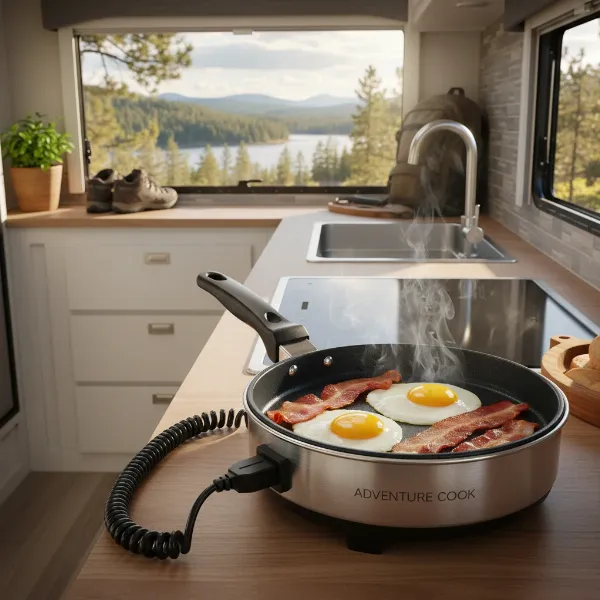
Living in a dorm room or a cozy studio apartment often means sacrificing kitchen space. The dream of preparing delicious, home-cooked meals can feel out of reach when you’re faced with a tiny countertop and no stovetop. But what if there was a versatile, space-saving solution that could transform your limited cooking area into a culinary haven? Enter the electric skillet – your new best friend for whipping up everything from a hearty breakfast to a gourmet dinner, all without needing a full kitchen.
What is an Electric Skillet?
An electric skillet is a self-contained cooking appliance featuring a heating element directly integrated into the pan’s base. Unlike traditional stovetop pans, it plugs into a standard electrical outlet, providing consistent, independently controlled heat. This design makes it incredibly versatile, functioning as an extra burner, a deep fryer, a steamer, and even a slow cooker, all in one compact unit. Its evolution has seen various improvements, from basic frying pans to multi-functional devices with precise temperature controls and non-stick surfaces, making it an indispensable tool for anyone with limited kitchen facilities.
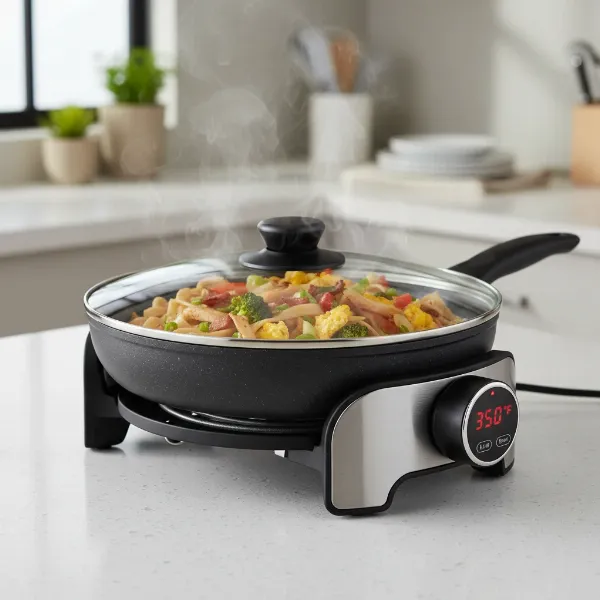 An electric skillet in action, cooking a versatile meal on a small countertop.
Advantages and Disadvantages of Electric Skillets for Small Spaces
For those navigating the tight quarters of a dorm or studio, an electric skillet offers a compelling set of benefits, though it comes with a few considerations.
Advantages
- Flexibility and Convenience: An electric skillet provides unparalleled cooking freedom. You’re no longer tethered to a communal kitchen or restricted by a lack of stovetop burners. Simply plug it in wherever you have an outlet and a stable surface, and you’re ready to cook. This portable nature makes it ideal for impromptu meals or cooking right at your desk if space is truly at a premium.
- Precise Temperature Control: Most electric skillets come with a removable temperature probe, allowing you to set and maintain specific heat levels. This precision is crucial for delicate tasks like simmering sauces, deep-frying to perfection, or simply keeping food warm without overcooking. You can easily adjust the temperature from a gentle “warm” setting to high heat for searing, giving you full command over your cooking.
- Space-Saving Design: For dorms and studios, every inch counts. Electric skillets are designed to be compact, often replacing multiple pieces of cookware. Many models feature innovative designs like foldaway handles or removable bases, allowing them to be stored neatly in small cabinets or under beds when not in use. This minimal footprint is a game-changer for maximizing your limited living area.
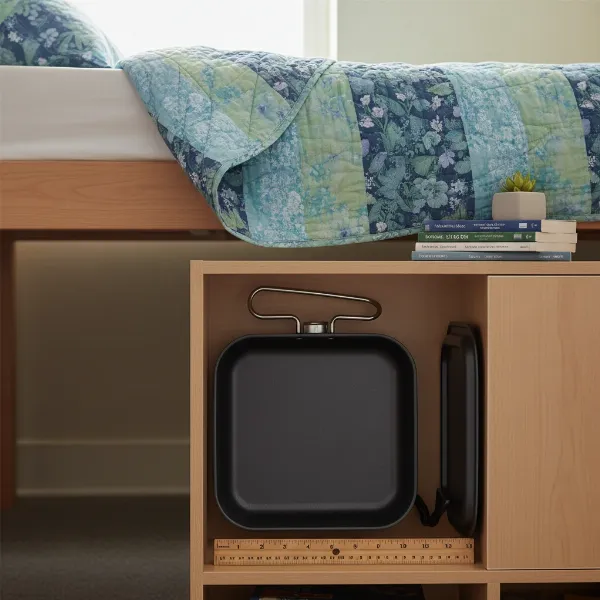 A compact electric skillet with foldaway handles, designed for small space storage.
- Easy to Clean: The majority of electric skillets boast non-stick coatings, which means less scrubbing and easier food release. Many models are also fully immersible once the temperature probe is removed, or have dishwasher-safe pans and lids, simplifying cleanup significantly. This is especially beneficial in shared dorm kitchens where sink space might be limited, or when you simply don’t want to spend precious study time scrubbing pans.
|
Our Picks for the Best Electric skillet in 2026
As an Amazon Associate I earn from qualifying purchases.
|
||
| Num | Product | Action |
|---|---|---|
| 1 | Blue Diamond 7QT 5-in-1 Extra Large Electric Skillet, Healthy Ceramic Nonstick Interior, Non-Toxic PFAS-Free, Temperature Control, Stay Cool Handles, Easy Clean, Graphite |

|
| 2 | Pioneer Woman 3.5L Electric Skillet, Linen Speckle |
|
| 3 | Elite Gourmet EG6201 Extra Deep 12"x12"x3.2" (7.5Qt.) Scratch Resistant Dishwasher Safe, Non-stick Electric Skillet with Glass Vented Lid, Adjustable Temperature, Black |
|
| 4 | Elite Gourmet EG808 8” x 8" Non-stick Electric Skillet, Dishwasher Safe with Tempered Glass Vented Lid, Rapid Heat Up, 600W, Black |
|
| 5 | bella Make & Take Electric Skillet, Fits-anywhere™ kitchenware, EverGood™ Ceramic Coating, Adjustable Temperature & Dishwasher-Safe Tempered Glass Lid, Cast Aluminum Base, 1200 Watt, Oatmilk |
|
| 6 | Presto 06857 16-inch Electric Foldaway Skillet, Black |
|
| 7 | Elite Gourmet EG-6203# Extra Deep 16"x13"x3.2" (10.5Qt.) Scratch Resistant, Easy Pour Spout Dishwasher Safe, Non-stick Electric Skillet with Glass Vented Lid, Adjustable Temperature, Black |
|
| 8 | Nuwave Medley XL Digital Electric Skillet, Family Size Griddle w/Glass Lid, 2025 New & Improved Precision Heating, 100°-425°F, PFAS Free G11 Nonstick Ceramic Coating, Portable Hot Plate, 7qt Capacity |
|
| 9 | Elite Gourmet 12"x12"x2.15” Ceralast™ PFAS Free Ceramic Electric Skillet, Dishwasher Safe, Rapid Heat Up, 1200W, Dark Grey |
|
| 10 | FOHERE 16-Inch Electric Skillet with Glass Cover, 1500W Rapid Heat, Adjustable Temperature, Multi-Purpose Electric Skillet Fried Chicken, Perfect For Family Gathering Cooking |
|
Disadvantages
- Limited Mobility: While portable, an electric skillet still requires a power outlet. This can restrict where you can cook, especially if outlets are scarce or poorly placed in your dorm or studio. You might need an extension cord, but always ensure it’s rated for appliance use to prevent electrical issues.
- Power Requirements: Electric skillets typically range from 600 to 1800 watts. While most dorms and studios have standard outlets that can handle these wattages, it’s wise to be aware of the total power consumption, especially if you’re using other high-wattage appliances simultaneously. Overloading circuits can lead to tripped breakers, interrupting your cooking and potentially causing inconvenience for others.
- Not Suitable for All Cooking Methods: While highly versatile, an electric skillet isn’t a perfect substitute for a full range of cooking equipment. It may not be ideal for certain high-heat, rapid tossing techniques (like intense wok stir-frying) or for achieving the extreme searing temperatures that some cast iron stovetop pans can reach. Additionally, its enclosed design means less airflow, which can affect certain baking or broiling applications that require open heat.
Popular Electric Skillet Types for Dorms and Studios
When choosing an electric skillet for a small living space, understanding the various types available can help you pinpoint the best fit for your needs and space constraints.
By Shape
The shape of your electric skillet can impact both its cooking capacity and how easily it stores.
- Compact Round: These skillets are often the smallest, ideal for single servings or small side dishes. Models like the Continental 6-Inch Electric Skillet are perfect examples, designed for minimal counter space and easy storage. Their round shape is familiar and efficient for general frying and simmering.
- Space-Efficient Rectangular/Square: Rectangular or square skillets tend to offer more usable cooking surface area compared to round ones of similar overall dimensions. This makes them excellent for cooking larger quantities of food, like multiple pancakes or a stir-fry, without taking up an excessive amount of space. The Presto Foldaway Electric Skillet is a prime example, offering a generous cooking area while featuring a clever design for compact storage. The Presto 11-Inch Electric Skillet also provides a good square capacity for its size.
By Material
The material of your electric skillet’s cooking surface is crucial for performance, durability, and ease of cleaning.
- Non-stick: The most common type, non-stick coatings are a lifesaver for easy food release and quick cleanup – essential qualities for dorm and studio living. They allow you to cook with little to no oil, contributing to healthier meals. However, care must be taken to avoid scratching the surface with metal utensils.
- Ceramic Non-stick: A popular alternative to traditional non-stick, ceramic coatings often tout features like being PFAS- and PTFE-free. Brands like Hamilton Beach Ceramic Non-Stick Skillet and GreenLife Ceramic Skillet offer these options, appealing to those looking for alternative materials while still benefiting from easy cleanup and healthy cooking. While generally durable, they also benefit from careful handling and proper cleaning.
By Features
Specific features can significantly enhance the utility of an electric skillet in a small apartment or dorm.
- Foldaway/Removable Handles: This design element, seen in the Presto Foldaway Electric Skillet, is a game-changer for storage. Handles that fold down or are completely removable dramatically reduce the skillet’s footprint, allowing it to fit into tight cabinets or drawers.
- Removable Temperature Control: A removable heat probe is a standard yet vital feature. It not only allows for precise temperature management but also makes the skillet’s pan immersible for thorough cleaning, with many models being dishwasher-safe once the probe is detached.
- Glass Lids: Transparent glass lids are incredibly convenient as they allow you to monitor your food’s progress without lifting the lid, thus retaining heat and moisture. This is especially useful for simmering or steaming.
- “Keep Warm” Function: Many electric skillets include a “warm” setting, perfect for keeping food at serving temperature without continuing to cook it. This is great for batch cooking or when you’re waiting for roommates to join a meal.
Comparing Top Electric Skillets for Small Living
Choosing the right electric skillet involves weighing various factors like size, features, and budget. Here’s a comparison of some top contenders ideal for dorm rooms and studio apartments, keeping in mind the unique needs of compact living.
| Model | Price Range (Approx.) | Size/Capacity | Key Features | Pros for Dorms/Studios | Cons for Dorms/Studios |
|---|---|---|---|---|---|
| Presto Foldaway Electric Skillet | $60 – $70 | 16-inch Rectangular, generous capacity | Foldaway handles, removable base for compact storage, non-stick, dishwasher safe | Excellent for storage, large capacity for versatile meals, easy cleanup | Unit can get hot on countertop (requires caution) |
| Continental 6-Inch Electric Skillet | $25 – $35 | 6-inch Round, single-serving | Removable handle, lightweight, variable heat control | Extremely compact, ideal for single users, highly portable | Smaller capacity, hand wash only, less precise temperature control |
| Presto 11-Inch Electric Skillet | $30 – $40 | 11×11-inch Square, good for 1-2 people | High sidewalls, non-stick, dishwasher safe, heavy-cast aluminum | Great budget option, good capacity for its price, durable build | Long-term durability of non-stick coating unclear |
| BELLA 12-Inch Nonstick Electric Skillet | $30 – $40 | 12-inch Round, roomy 3-inch depth | Compact footprint, titanium-infused non-stick (PFAS/PTFE-free), keep warm function | Budget-friendly, good depth for versatile cooking, relatively compact | Materials may not feel as premium as higher-end models |
| Elite Gourmet 8-Inch Nonstick Electric Skillet | $25 – $35 | 8-inch Round, compact | Non-stick, ideal for small meals | Very compact, great for personal use or small side dishes, budget-friendly | Limited capacity for larger meals |
| Zojirushi Gourmet d’Expert Electric Skillet | $120 – $160 | Deep inner pan, flat plate, steaming plate | Highly versatile (frying, grilling, steaming, hot pot), precise temp control | Multi-functional, high quality, handles many cooking tasks | More expensive, hand wash only, larger footprint than others |
How to Choose the Right Electric Skillet for Your Small Space (Buying Guide)
Selecting the perfect electric skillet for your dorm or studio requires a thoughtful approach. Consider these factors to ensure you pick a model that truly meets your compact living culinary needs.
Assess Your Usage Needs
Before diving into models, think about how you’ll primarily use the skillet. Are you cooking for one or occasionally for two? Do you plan to fry eggs, sauté vegetables, simmer soups, or even attempt a small roast? If you mainly need it for quick breakfasts or reheating, a smaller, simpler model might suffice. If you envision more ambitious meals, look for greater versatility and capacity.
Size and Capacity Are Key
This is perhaps the most critical factor for small spaces.
- For single users or very limited counter space: A 6-inch to 8-inch skillet, like the Continental 6-Inch or Elite Gourmet 8-Inch, is ideal.
- For 1-2 people or slightly more versatile cooking: An 11-inch or 12-inch model, such as the Presto 11-Inch or BELLA 12-Inch, offers a good balance of cooking space and compact storage.
- Consider overall footprint: Beyond just the cooking surface, look at the entire appliance’s dimensions, including handles, to ensure it fits your available countertop and storage space. Models with foldaway handles are particularly advantageous here.
Prioritize Material and Coating
The pan’s material and its non-stick coating directly influence durability, cooking performance, and cleaning ease.
- Non-stick is essential: For easy cleanup in a small kitchen, a quality non-stick surface is non-negotiable. Look for durable coatings.
- Ceramic options: If you prefer alternatives to traditional non-stick, ceramic-coated skillets are a great choice, often free from certain chemicals. Ensure they are well-regarded for their durability.
- Avoid overly flimsy materials: While budget is a concern, a very thin pan might lead to uneven heating and a shorter lifespan. Heavy-gauge aluminum or stainless steel with a robust non-stick coating offers a better balance.
Check for Essential Features
A few features can significantly enhance your electric skillet experience in a small setting.
- Accurate Temperature Control: A precise and adjustable temperature probe is crucial for cooking various dishes effectively.
- Lid: A tight-fitting lid (preferably glass for visibility) is vital for simmering, steaming, and keeping food warm.
- Cool-Touch Handles: This safety feature is important in small, bustling spaces where you might be moving the hot skillet more frequently.
- Easy Cleaning: Look for models with removable, dishwasher-safe components. The ability to immerse the pan for hand-washing is also a major plus.
- Storage Solutions: Again, foldaway handles or a design where the base fits inside the pan for storage (like the Presto Foldaway) are excellent for tight spaces.
Research Brands and Read Reviews
Reliable brands often signify better quality and customer support. Look for established names in kitchen appliances. Reading reviews from other dorm and studio dwellers can provide valuable insights into how a particular model performs in real-world compact living scenarios, especially regarding space-saving and durability.
Factor in Your Budget
Electric skillets come at various price points. You don’t need the most expensive model to get a good one, especially for dorm or studio use. Budget-friendly options like the Presto 11-Inch or BELLA 12-Inch often deliver excellent value. Balance your budget with the features you need most.
Tips for Using and Maintaining Your Electric Skillet in a Small Space
Getting the most out of your electric skillet in a dorm or studio isn’t just about choosing the right one; it’s also about smart usage and maintenance.
Usage
- Initial Setup: Before first use, always read the manufacturer’s instructions. Most non-stick skillets require a quick wash with warm, soapy water. Some may recommend a light seasoning with oil before the first cook.
- Mastering Temperature Control: Experiment with the temperature dial to understand how your skillet heats. Start with lower settings and gradually increase as needed. This prevents scorching food and ensures even cooking. For example, a gentle heat is perfect for eggs, while higher settings are ideal for searing meats.
- Use the Right Utensils: To protect the non-stick coating and prolong the life of your skillet, always use wooden, silicone, or heat-resistant plastic utensils. Metal utensils can scratch and damage the surface.
- Strategic Placement: Always place your electric skillet on a stable, heat-resistant surface, away from anything flammable. Ensure there’s enough clearance around it for proper ventilation. Be mindful of the cord length and avoid stretching it across pathways where it could be a tripping hazard. If space is tight, consider a small, sturdy heat-resistant mat or cutting board as a base.
Cleaning and Storage
- Clean Immediately After Use (Safely): Once the skillet has cooled sufficiently (but is still warm), it’s easiest to clean. Remove the temperature probe and wipe out any food residue with a paper towel. For non-stick surfaces, a soft sponge or cloth with warm, soapy water is usually enough.
- Dishwasher vs. Hand Washing: If your skillet’s pan is immersible and dishwasher-safe (with the probe removed), take advantage of it! However, many experts suggest hand-washing to extend the life of the non-stick coating. If hand-washing, avoid abrasive scrubbers that can damage the surface.
- Compact Storage Techniques: This is crucial for small spaces.
- Foldaway Models: If you have a Presto Foldaway, utilize its design by folding down handles and nesting the base inside the pan.
- Removable Handles/Components: For skillets with removable handles (like the Continental 6-Inch), detach them to make the pan smaller for storage.
- Vertical Storage: If you have a cabinet with a vertical divider, store the skillet on its side to save shelf space.
- Underbed/Desk Storage: When properly cleaned and dry, a compact electric skillet can be tucked away under a bed, desk, or in a large drawer, freeing up precious kitchen cabinet space.
“An electric skillet is more than just a pan; it’s an entire kitchen compressed into one highly efficient appliance. For students and studio dwellers, it’s the key to maintaining a healthy diet and enjoying diverse meals without being limited by space.” – Admin, electricskilletguide.com
Conclusion
Navigating culinary adventures in a dorm room or studio apartment presents unique challenges, but with the right electric skillet, these small spaces can become surprisingly capable kitchens. From compact designs that fold away neatly to versatile models that can fry, simmer, steam, and even deep-fry, there’s an electric skillet perfectly suited to your needs. By considering factors like size, features, and ease of cleaning, you can unlock a world of convenient and delicious home-cooked meals, transforming your limited living area into a hub of culinary creativity. So, are you ready to elevate your small-space cooking game with the ultimate compact kitchen companion?
Frequently Asked Questions
Are electric skillets typically allowed in dorm rooms?
Most dorm rooms do permit electric skillets, as they are self-contained appliances that don’t rely on an open flame. However, always check your specific dorm’s rules and regulations, as policies can vary. Ensure it has an automatic shut-off feature for safety.
What is the best size electric skillet for a single person in a studio apartment?
For a single person, a compact electric skillet between 6 to 10 inches in diameter or an 11×11-inch square model is often ideal. This size is perfect for preparing individual meals without taking up excessive counter or storage space.
Can I cook a full multi-course meal using just an electric skillet?
While you can prepare many components of a meal, cooking a full multi-course meal simultaneously might be challenging due to limited cooking surface. However, an electric skillet is incredibly versatile for preparing main dishes, sides, and even desserts sequentially.
How do I clean my electric skillet if I only have a small dorm sink?
If your skillet’s pan is immersible and dishwasher-safe, you can remove the probe and wash it in the dishwasher. For hand-washing in a small sink, wipe out excess food with a paper towel, then use a soft sponge and warm, soapy water. Its compact nature often makes it manageable even in small basins.
Do electric skillets consume a lot of electricity in a small living space?
Electric skillets typically range from 600 to 1800 watts. While they use more electricity than some smaller appliances, their efficient direct heating often means shorter cooking times compared to using multiple stovetop burners, making them a relatively energy-efficient option for many cooking tasks.