The idea of homemade risotto often conjures images of a chef diligently stirring a pot for what feels like an eternity. But what if you could achieve that same luscious, creamy texture with significantly less effort, all thanks to the humble electric skillet? As a seasoned technician with over a decade of experience with electric skillets, I’ve seen firsthand how this versatile appliance can revolutionize your kitchen, making even traditionally demanding dishes like risotto accessible and enjoyable. Get ready to transform your weeknight meals and impress your guests with a rich, velvety risotto, perfectly cooked with minimal fuss in your electric skillet.
What is an Electric Skillet?
An electric skillet, often referred to as an electric frying pan, is a versatile kitchen appliance equipped with its own heating element and thermostat. Unlike a traditional pan used on a stovetop, it offers precise temperature control, allowing you to set and maintain a specific heat level with ease. This standalone cooking device is perfect for a wide array of culinary tasks, from frying and searing to simmering and stewing, providing consistent heat that can be adjusted to exact degrees. Its evolution has focused on convenience and efficiency, making it a popular choice for home cooks seeking reliable performance beyond the stovetop.
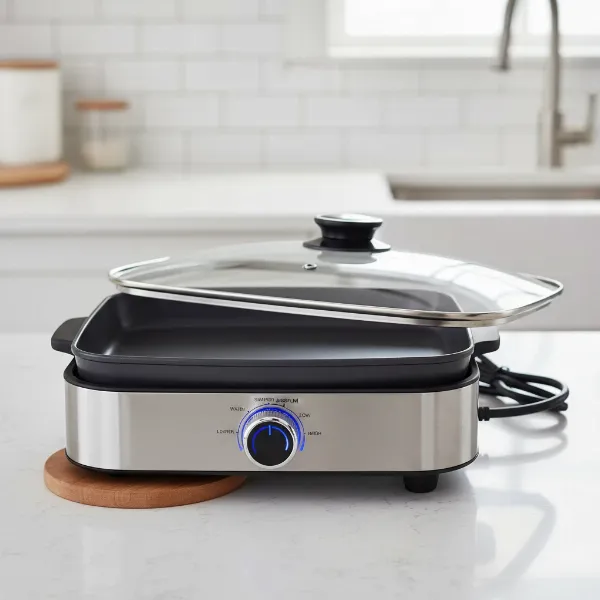 Modern electric skillet showing its heating element, thermostat, and wide cooking surface
The Electric Skillet Advantage for Risotto
The unique features of an electric skillet make it an unexpectedly ideal tool for preparing risotto, especially for those seeking a less hands-on approach. Its design and functionality directly address some of the traditional challenges of risotto making, paving the way for a simplified, “no-stir” method.
Precise Temperature Control
|
Our Picks for the Best Electric skillet in 2026
As an Amazon Associate I earn from qualifying purchases.
|
||
| Num | Product | Action |
|---|---|---|
| 1 | Presto 06857 16-inch Electric Foldaway Skillet, Black |

|
| 2 | Blue Diamond 7QT 5-in-1 Extra Large Electric Skillet, Healthy Ceramic Nonstick Interior, Non-Toxic PFAS-Free, Temperature Control, Stay Cool Handles, Easy Clean, Graphite |
|
| 3 | Nuwave Medley XL Digital Electric Skillet, Family Size Griddle w/Glass Lid, 2025 New & Improved Precision Heating, 100°-425°F, PFAS Free G11 Nonstick Ceramic Coating, Portable Hot Plate, 7qt Capacity |
|
| 4 | bella Make & Take Electric Skillet, Fits-anywhere™ kitchenware, EverGood™ Ceramic Coating, Adjustable Temperature & Dishwasher-Safe Tempered Glass Lid, Cast Aluminum Base, 1200 Watt, Oatmilk |
|
| 5 | Elite Gourmet EG808 8” x 8" Non-stick Electric Skillet, Dishwasher Safe with Tempered Glass Vented Lid, Rapid Heat Up, 600W, Black |
|
| 6 | FOHERE 16-Inch Electric Skillet with Glass Cover, 1500W Rapid Heat, Adjustable Temperature, Multi-Purpose Electric Skillet Fried Chicken, Perfect For Family Gathering Cooking |
|
| 7 | Pioneer Woman 3.5L Electric Skillet, Linen Speckle |
|
| 8 | Elite Gourmet EG-6203# Extra Deep 16"x13"x3.2" (10.5Qt.) Scratch Resistant, Easy Pour Spout Dishwasher Safe, Non-stick Electric Skillet with Glass Vented Lid, Adjustable Temperature, Black |
|
| 9 | Elite Gourmet 12"x12"x2.15” Ceralast™ PFAS Free Ceramic Electric Skillet, Dishwasher Safe, Rapid Heat Up, 1200W, Dark Grey |
|
| 10 | Elite Gourmet EG6201 Extra Deep 12"x12"x3.2" (7.5Qt.) Scratch Resistant Dishwasher Safe, Non-stick Electric Skillet with Glass Vented Lid, Adjustable Temperature, Black |
|
One of the most significant advantages an electric skillet brings to risotto is its ability to maintain a consistent temperature. Risotto requires careful heat management—a gentle simmer for slow, even cooking. Unlike a stovetop burner, which can fluctuate, an electric skillet’s thermostat ensures the liquid absorbs steadily without scorching the rice or causing rapid evaporation, which is critical for the “no-stir” technique.
Optimal Surface Area for Even Cooking
Many electric skillets feature a wide, shallow cooking surface. This design promotes a thinner layer of rice across the bottom of the pan, allowing for more uniform heat distribution and liquid absorption. In traditional, narrower pots, rice can stack, leading to uneven cooking where the bottom grains overcook while the top remains underdone. The generous surface area of an electric skillet naturally mitigates this, reducing the need for constant agitation.
Simplified Hands-Off Cooking
The combination of precise temperature control and ample surface area means you don’t need to stand over the skillet, stirring incessantly. Once the initial aromatics are sautéed and the liquid is added, the electric skillet can be covered and left to simmer gently, freeing you to attend to other tasks or simply relax. This makes risotto a viable option for busy weeknights, transforming a time-consuming dish into a convenient culinary delight.
Debunking the “Constant Stirring” Myth for Risotto
For generations, the culinary world has championed the idea that constant stirring is non-negotiable for a truly creamy risotto. The theory posits that continuous agitation helps release starches from the rice grains, creating that characteristic luxurious texture. However, modern culinary techniques and a better understanding of starch behavior have largely debunked this rigid rule, proving that exceptional creaminess is achievable with minimal stirring.
The key to a “no-stir” or “almost no-stir” risotto lies in how the starch is released and emulsified. While stirring does contribute to starch release, much of the essential starch resides on the surface of the rice grains. By combining the rice with a generous amount of warm liquid and simmering it gently in a covered vessel like an electric skillet, these surface starches are naturally released into the broth. The final “mantecatura” – the vigorous stirring in of cold butter and grated Parmesan cheese at the very end – is what truly binds these starches and fats, creating the desired creamy, flowing consistency that melts in your mouth. You’re not eliminating stirring entirely, but rather shifting the intense effort to the critical final moments, making the process much more manageable.
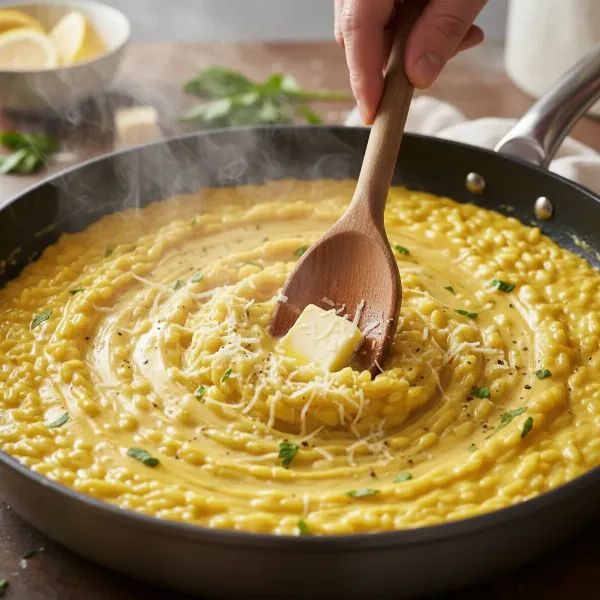 Close-up of creamy risotto being finished with butter and Parmesan for a luxurious texture
Essential Ingredients for Electric Skillet Risotto
Crafting an exquisite electric skillet risotto begins with selecting the right ingredients. Each component plays a vital role in developing the rich flavor and signature creamy texture of this beloved Italian dish.
The Right Rice: Arborio, Carnaroli, Vialone Nano
The foundation of any great risotto is the rice itself. You need a short- to medium-grain rice variety specifically bred for its high amylopectin starch content.
- Arborio: The most widely available and well-known risotto rice. It produces a very creamy risotto but can become mushy if overcooked.
- Carnaroli: Often considered the “king of risotto rice,” Carnaroli has a higher starch content than Arborio and maintains its al dente texture beautifully, yielding an incredibly creamy yet structured risotto. Many professional chefs prefer it.
- Vialone Nano: A medium-grain rice, it absorbs liquid efficiently and is known for producing a lighter, flowing risotto while retaining a pleasant bite.
While Arborio is perfectly suitable, if you can find Carnaroli or Vialone Nano, they often offer a more forgiving and superior result.
Quality Broth and Wine
The liquid you use is paramount, as it forms the bulk of the risotto’s flavor and texture.
- Broth: Use a high-quality chicken or vegetable broth. Homemade is ideal, but a good low-sodium store-bought brand works well. Crucially, always warm your broth before adding it to the rice. Adding cold liquid can shock the rice, hindering starch release and prolonging cooking time.
- Dry White Wine: A splash of dry white wine (like Pinot Grigio, Sauvignon Blanc, or unoaked Chardonnay) adds acidity and complexity. The alcohol cooks off, leaving behind a subtle depth of flavor. If you prefer to omit alcohol, simply replace it with an equal amount of warm broth.
Flavor Builders: Aromatics, Butter, Parmesan
These elements build the layers of flavor and contribute to the final luxurious finish.
- Aromatics: Finely diced onion or shallots and minced garlic are standard starting points, providing a sweet and savory base.
- Fats: Both olive oil and butter are often used. Olive oil is great for sautéing aromatics, while butter adds richness and silkiness, especially when folded in at the end.
- Parmesan Cheese: Freshly grated Parmigiano-Reggiano is non-negotiable. Its salty, umami notes and melting properties are essential for the final creaminess (mantecatura) and overall flavor. Avoid pre-grated varieties, which often contain anti-caking agents that hinder melting.
Step-by-Step Guide: Making No-Stir Risotto in Your Electric Skillet
Making a delectable, creamy risotto in your electric skillet without constant stirring is entirely achievable. Follow these steps for a foolproof method that delivers impressive results.
Preparation: Warm Broth & Ingredients
Before you begin cooking, ensure all your ingredients are prepped and ready. Warm your broth in a separate saucepan over low heat or directly in the electric skillet (and then transfer it) to keep it simmering gently. This prevents shocking the rice and ensures continuous, even cooking. Finely dice your onions or shallots, mince the garlic, and grate your Parmesan cheese.
Sautéing Aromatics
Set your electric skillet to a medium heat setting, typically around 300-325°F (150-160°C). Add a tablespoon each of olive oil and butter. Once the butter has melted and the mixture is lightly foaming, add your finely diced onions or shallots. Sauté, stirring occasionally, until they are soft and translucent, usually about 5-7 minutes. Add the minced garlic and cook for another minute until fragrant, being careful not to let it brown.
Toasting the Rice
Add your Arborio (or Carnaroli) rice to the skillet. Stir it constantly for 2-3 minutes, toasting the grains until they become slightly translucent around the edges and emit a subtle, nutty aroma. This process, known as “tostatura,” is crucial for developing flavor and helping the rice absorb liquid evenly without becoming gummy.
Deglazing with Wine
Pour in the dry white wine (if using). Increase the heat slightly to about 350°F (175°C) for a moment, and stir continuously until the wine is completely absorbed by the rice. The alcohol will evaporate, leaving behind a wonderful depth of flavor. This usually takes 1-2 minutes.
The “No-Stir” Phase: Adding Liquid, Covering, and Simmering
This is where the electric skillet truly shines for the no-stir method.
- Add Broth: Pour in most of your warm broth—about 5 cups (1.2 liters) for every 1.5 cups (360g) of rice. Give it one good stir to ensure the rice is evenly distributed.
- Reduce Heat & Cover: Reduce the electric skillet temperature to a very low simmer, typically around 250-275°F (120-135°C), or to a “low simmer” setting if available. Cover the skillet tightly with its lid.
- Gentle Simmer: Allow the risotto to simmer undisturbed for about 15-20 minutes. The consistent, low heat of the electric skillet, combined with the covered environment, creates a gentle steaming effect that encourages the rice to absorb the liquid and release its starches with minimal intervention. You might want to give it one quick, gentle stir halfway through, if you feel inclined, but it’s not strictly necessary.
The Crucial Final Stir (Mantecatura)
After the simmering phase, the rice should be mostly tender with a slight bite (al dente) and most of the liquid absorbed.
- Check Consistency: Remove the lid.