It’s a sound every home cook dreads. You’re prepping for dinner, you move the lid of your trusty electric skillet, and then it happens—a slip, a bump, a sudden CRACK. Staring at the shattered or cracked glass can feel like a mini kitchen disaster. Before you think about tossing the whole appliance, take a deep breath. Knowing What To Do If The Lid Breaks can save you time, money, and a lot of frustration. As your go-to experts at Electric Skillet Guide, we’ve been there, and we’re here to walk you through every step, from immediate cleanup to finding the perfect replacement.
This guide will turn that moment of panic into a simple, actionable plan. We’ll cover temporary fixes that can save your dinner tonight and permanent solutions to get your electric skillet back to its full glory.
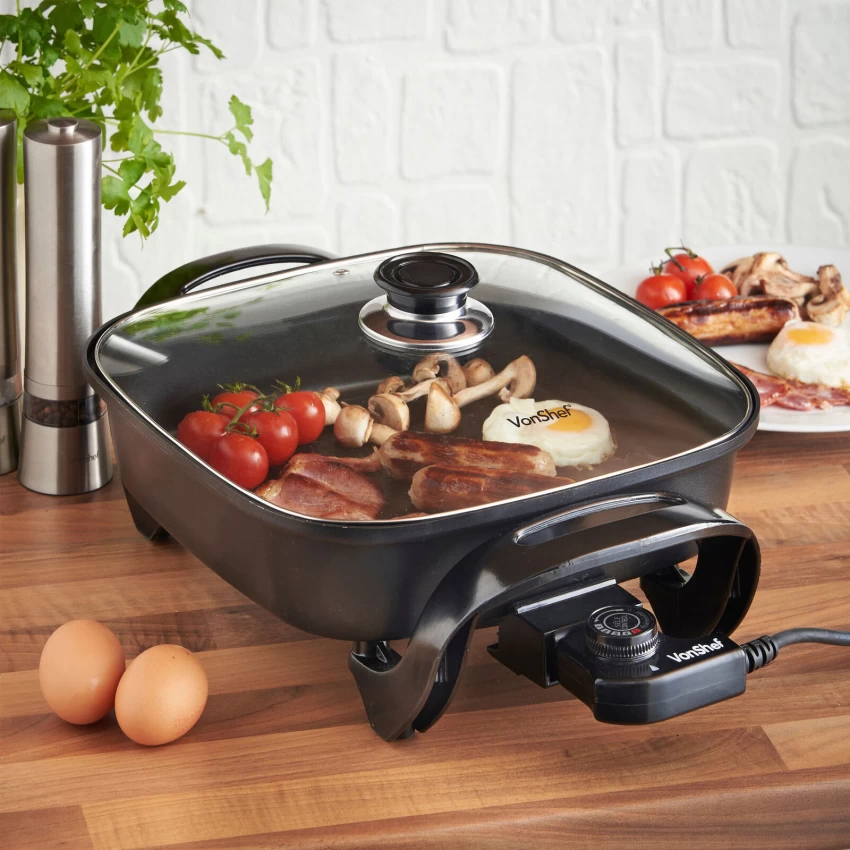
First Things First: Safety and Assessment
Before you do anything else, prioritize safety. A broken lid, especially a glass one, can be dangerous if not handled correctly.
- Unplug the Skillet: Your absolute first step is to disconnect the electric skillet from the power source. This eliminates any risk of electric shock, especially if any liquids have spilled.
- Assess the Damage: Is it a small crack or has the lid completely shattered? If it shattered over food, you must discard the food. Tiny, sharp shards of glass are impossible to remove completely and are incredibly dangerous if ingested. It’s not worth the risk.
- Clean Up Carefully: Wear protective gloves if you have them. Use a brush and dustpan to sweep up the larger pieces of glass. For the fine, almost invisible dust-like shards, use a damp paper towel to wipe the area. Press down gently and you’ll be surprised what it picks up. Dispose of the broken glass in a thick paper bag or a small cardboard box before putting it in the trash to prevent injury.
“The most common reason for tempered glass lids shattering is thermal shock—a sudden, extreme change in temperature,” notes home appliance expert, Dr. Amelia Vance. “Never run a hot glass lid under cold water or place it on a cold countertop.”
Can I Still Use My Electric Skillet Without a Lid?
So, you’ve cleaned up the mess, but dinner still needs to be made. Can you proceed without a lid?
The short answer is yes, you absolutely can, but with some limitations. An electric skillet works perfectly for searing, frying, and sautéing without a cover. However, for tasks that require trapping heat and moisture—like braising, simmering, steaming, or slow-cooking—a lid is essential for achieving the right results and preventing your food from drying out.
Clever Temporary Lid Solutions (Your Kitchen to the Rescue!)
Don’t have the original lid? No problem. It’s time to get a little creative. Your kitchen is likely full of stand-ins that can get the job done in a pinch.
- A Sturdy Baking Sheet: This is often the best and most readily available option. A flat, heavy-duty baking sheet can cover the entire surface of most skillets, effectively trapping heat and moisture.
- A Large Dinner Plate: If your skillet isn’t too large, a ceramic or stoneware dinner plate can work. Just be careful—ensure the plate is oven-safe to handle the heat, and use an oven mitt to lift it, as there’s no handle.
- Aluminum Foil: Create a “tent” or a tightly sealed cover with a double layer of heavy-duty aluminum foil. Crimp the edges around the rim of the skillet to create a good seal. It’s not perfect, but it’s a fantastic temporary fix.
- A Lid from Another Pot: Raid your cookware cabinet! You might have a lid from a large stockpot or Dutch oven that fits your electric skillet reasonably well. It doesn’t have to be a perfect fit, but as long as it covers most of the opening, it will work.
Finding a Permanent Fix: What to Do If the Lid Breaks for Good
While temporary solutions are great, you’ll eventually want a proper lid. Here is your roadmap to finding a permanent replacement.
Step 1: Contact the Manufacturer
This should always be your first move. Most reputable brands (like Presto, Cuisinart, or Hamilton Beach) offer replacement parts for their products. Check the bottom of your skillet for the model number, then visit the manufacturer’s website or call their customer service line. They can often ship you an original, perfectly fitting lid for a reasonable price.
Step 2: Search for Universal Lids
If the manufacturer no longer makes your model or doesn’t sell parts, a universal lid is your next best bet. These are cleverly designed lids with a stepped silicone or metal rim that allows them to fit a range of pan sizes (e.g., 10, 11, and 12 inches).
How to find the right size:
Measure the inside diameter of your electric skillet from rim to rim. When you shop for a universal lid, make sure your measurement falls within the range specified by the lid’s manufacturer.
Step 3: Check Online Marketplaces
Websites like eBay, Amazon, and even local marketplace sites can be goldmines for replacement parts. People often sell parts from appliances that have stopped working. Search for your specific electric skillet model number followed by “replacement lid.” You might get lucky and find an original part for a great price.
Step 4: Consider If It’s Time for an Upgrade
Be honest: how old is your electric skillet? If it’s a very old model and a replacement lid costs half as much as a new skillet, it might be more practical to invest in a new appliance. Modern electric skillets often come with improved non-stick surfaces, more precise temperature controls, and more durable, dishwasher-safe parts.
Our Top Pick for Durability
When it’s time to upgrade, we look for skillets with sturdy construction and high-quality materials. A well-made tempered glass lid and a durable non-stick surface can make all the difference.
|
Our Picks for the Best Electric Skillet in 2026
As an Amazon Associate, we earn from qualifying purchases.
|
||
| Num | Product | Action |
|---|---|---|
| 1 | BLACK+DECKER Electric Skillet, Variable Temperature Control, Nonstick Cooking Surface, Dishwasher Safe, Tempered Glass Lid, 12\"x15\" |

|
| 2 | Elite Gourmet 12\" x 12\" x 3” Ceralast™ Ceramic Non-stick PFAS Free, Dishwasher Safe Electric Skillet, Xtra Deep Dish, Rapid Heat 1200W, Black |
|
| 3 | Chefman XL Electric Griddle with Removable Temperature Control, Immersible Flat Top Grill, Burger, Eggs, Pancake Griddle, Nonstick Extra Large Cooking Surface, Slide Out Drip Tray, 10 x 20 Inch |
|
| 4 | Elite Gourmet EG-6203# Extra Deep 16\"x13\"x3.2\" (10.5Qt.) Scratch Resistant, Easy Pour Spout Dishwasher Safe, Non-stick Electric Skillet with Glass Vented Lid, Adjustable Temperature, Black |
|
| 5 | Presto 06857 16-inch Electric Foldaway Skillet, Black |
|
| 6 | Presto 07117 12\" Electric Skillet with glass cover |
|
| 7 | Crux Extra Deep Nonstick Scratch Resistant Electric Skillet with Removeable Temperature Probe, 12\" x 12\", silver (14620) |
|
| 8 | Presto 06852 16-Inch Electric Skillet with Glass Cover |
|
| 9 | Elite Gourmet EG808 8” x 8\" Non-stick Electric Skillet, Dishwasher Safe with Tempered Glass Vented Lid, Rapid Heat Up, 600W, Black |
|
| 10 | bella Make & Take Electric Skillet, Fits-anywhere™ kitchenware, EverGood™ Ceramic Coating, Adjustable Temperature & Dishwasher-Safe Tempered Glass Lid, Cast Aluminum Base, 1200 Watt, Surf |
|
Why the Original Lid Matters: A Note on Vents and Fit
You might be wondering, “Why go through the trouble of finding a perfect replacement if a baking sheet works?” While temporary fixes are great, the original lid was designed specifically for your appliance. Here’s why it matters:
- Steam Vent: Most electric skillet lids have a small steam vent. This little hole is crucial for regulating pressure and moisture. It prevents liquids from boiling over aggressively and allows some steam to escape, preventing food from becoming overly soggy.
- Perfect Fit: A snug-fitting lid traps heat efficiently, allowing the skillet to maintain a consistent temperature. This is key for everything from simmering a stew to keeping food warm for serving.
- Safe Materials: Lids are made from heat-safe tempered glass and have a heat-resistant handle, ensuring you can use them safely without worrying about melting or shattering under normal conditions.
Frequently Asked Questions (FAQ)
Q: Can I use a glass lid from a different brand if it fits?
A: Yes, generally you can. As long as the lid is made of tempered glass, fits snugly, and can handle the temperatures your skillet reaches, it should be safe to use. Just make sure it has a steam vent if your recipes rely on it.
Q: What if just the handle or knob on my lid broke?
A: That’s a much easier fix! Universal replacement lid knobs are widely available online and in kitchen supply stores. They are inexpensive and usually just require a single screwdriver to install.
Q: How much does a replacement electric skillet lid typically cost?
A: Prices can vary widely depending on the brand and model. Directly from the manufacturer, a lid might cost anywhere from $15 to $30. Universal lids on Amazon are often in the same price range.
Q: Is it safe to continue using a lid that has a small chip or crack?
A: We strongly advise against it. A small chip or crack compromises the structural integrity of the tempered glass. The stress from heating and cooling can cause it to shatter unexpectedly, which is a major safety hazard.
Q: Why do glass lids sometimes seem to shatter for no reason?
A: This is usually due to one of two things: a hidden manufacturing defect or, more commonly, accumulated stress from thermal shock over time. A small, invisible crack can be weakened by repeated temperature changes until it finally gives way.
A Broken Lid Isn’t the End of the Road
Discovering a broken appliance part is always a hassle, but knowing what to do if the lid breaks on your electric skillet transforms the problem into a manageable task. From immediate safety measures and clever temporary fixes to sourcing the perfect replacement, you now have the knowledge to handle the situation like a pro. Your electric skillet is a versatile kitchen workhorse, and with a little care, even a broken lid is just a small bump on the road to many more delicious meals.