So, you’ve brought home a brand new electric skillet. You’re already dreaming of perfectly fried chicken, one-pan pasta dinners, and fluffy morning pancakes. But as you’re unboxing that shiny new appliance, a practical question pops into your head: What Is The Warranty On An Electric Skillet? It’s a fantastic question to ask. Think of a warranty as your kitchen appliance’s safety net. It’s the manufacturer’s promise that the product you just spent your hard-earned money on is free from defects and will work as advertised. But not all warranties are created equal, and understanding the fine print can save you a lot of headaches down the road.
Let’s cut through the jargon and talk about what you can realistically expect from your skillet’s warranty, how to protect it, and most importantly, how to care for your skillet so well that you’ll hopefully never need to use it.
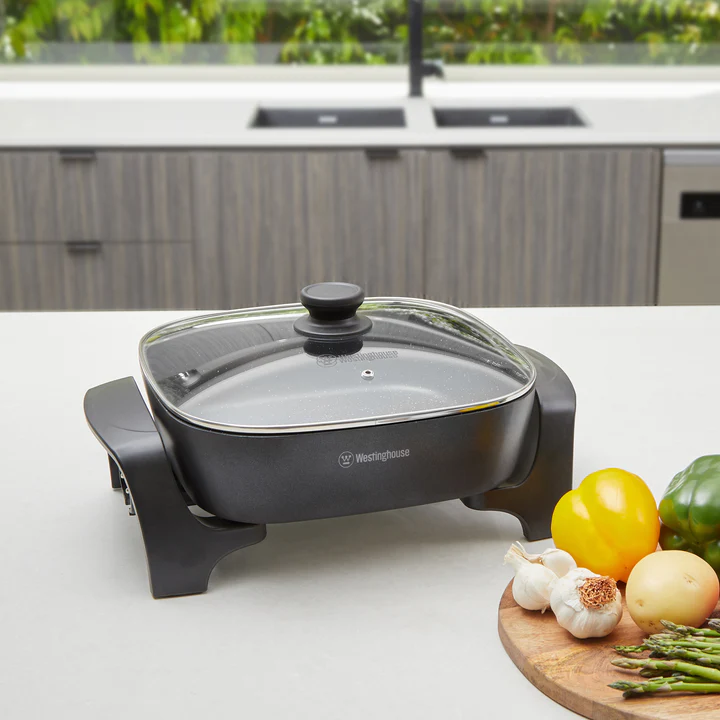
Why Your Electric Skillet Warranty Really Matters
First things first, let’s get a straight answer. For the vast majority of electric skillets from popular brands like Presto, Cuisinart, or Black+Decker, you’re looking at a Limited One-Year Warranty. Some higher-end models might stretch this to two or even three years, but one year is the industry standard.
But what does “limited” actually mean? It’s not just a fancy word. A limited warranty typically covers defects in materials and workmanship. This means if the heating element dies unexpectedly or the temperature control probe is faulty right out of the box, you’re covered. It’s for problems that are the manufacturer’s fault, not yours.
What Does a Typical Warranty Cover (and Not Cover)?
Understanding this distinction is the key to avoiding frustration. Here’s a simple breakdown of what you can generally expect:
- What’s Usually Covered:
- The Heating Element: If your skillet stops heating up for no reason, this is almost always a warranty issue.
- The Temperature Control Probe: A probe that can’t maintain a consistent temperature or dies completely is a classic manufacturing defect.
- Physical Defects: Cracks in the handles or legs that were present upon unboxing.
- Faulty Electrical Components: Issues with the cord or plug (unless you’ve damaged it yourself).
- What’s Almost Never Covered:
- The Non-Stick Coating: This is the big one. Scratches, flaking, or general wear and tear on the non-stick surface are considered user-caused. Using metal utensils or abrasive scrubbers will void any chance of a claim here.
- Accidental Damage: Dropping your skillet, submerging the probe in water, or other mishaps are not covered.
- Cosmetic Issues: Minor scratches or discoloration from normal use.
- Commercial Use: Using a home-kitchen skillet in a restaurant setting will immediately void the warranty.
According to appliance engineer John Carter, “The most common warranty claims for electric skillets relate to the temperature probe failing. Always ensure it’s fully seated before use and never submerge it in water—that’s the fastest way to an issue the warranty might not cover.”
Making Your Warranty a Last Resort: Pro-Level Usage Tips
The best warranty is the one you never have to use. By treating your electric skillet with a little TLC, you can extend its life far beyond that first year. I’ve cooked on dozens of these, and the ones that last are always the ones that are well-cared for.
- Season a New Non-Stick Skillet: Before its first use, wash and dry your new skillet. Then, take a paper towel and wipe a very thin layer of cooking oil over the entire non-stick surface. Heat it on a low-medium setting for a couple of minutes, let it cool completely, and wipe out the excess oil. This helps prime the surface for better performance.
- Preheat Properly: Never crank it up to high heat on an empty skillet. Let it preheat gradually for 5-7 minutes. This is kinder to the heating element and the non-stick surface.
- Use the Right Utensils: This is non-negotiable. Never use metal utensils. Stick to wood, silicone, or nylon to protect that precious non-stick coating. Even a few scratches can start the degradation process.
- Oil is Your Friend: While it’s a non-stick surface, a little bit of oil or butter not only adds flavor but also creates a protective barrier, reducing wear on the coating.
- Avoid Thermal Shock: Don’t pour cold water into a sizzling hot skillet. Let it cool down for at least 10-15 minutes before washing. Drastic temperature changes can warp the metal and damage the surface.
|
Our Picks for the Best Electric Skillet in 2026
As an Amazon Associate, we earn from qualifying purchases.
|
||
| Num | Product | Action |
|---|---|---|
| 1 | bella Make & Take Electric Skillet, Fits-anywhere™ kitchenware, EverGood™ Ceramic Coating, Adjustable Temperature & Dishwasher-Safe Tempered Glass Lid, Cast Aluminum Base, 1200 Watt, Surf |

|
| 2 | Elite Gourmet EG808 8” x 8\" Non-stick Electric Skillet, Dishwasher Safe with Tempered Glass Vented Lid, Rapid Heat Up, 600W, Black |
|
| 3 | Elite Gourmet EG-6203# Extra Deep 16\"x13\"x3.2\" (10.5Qt.) Scratch Resistant, Easy Pour Spout Dishwasher Safe, Non-stick Electric Skillet with Glass Vented Lid, Adjustable Temperature, Black |
|
| 4 | Presto 06857 16-inch Electric Foldaway Skillet, Black |
|
| 5 | Presto 06852 16-Inch Electric Skillet with Glass Cover |
|
| 6 | Crux Extra Deep Nonstick Scratch Resistant Electric Skillet with Removeable Temperature Probe, 12\" x 12\", silver (14620) |
|
| 7 | Elite Gourmet 12\" x 12\" x 3” Ceralast™ Ceramic Non-stick PFAS Free, Dishwasher Safe Electric Skillet, Xtra Deep Dish, Rapid Heat 1200W, Black |
|
| 8 | Chefman XL Electric Griddle with Removable Temperature Control, Immersible Flat Top Grill, Burger, Eggs, Pancake Griddle, Nonstick Extra Large Cooking Surface, Slide Out Drip Tray, 10 x 20 Inch |
|
| 9 | BLACK+DECKER Electric Skillet, Variable Temperature Control, Nonstick Cooking Surface, Dishwasher Safe, Tempered Glass Lid, 12\"x15\" |
|
| 10 | Presto 07117 12\" Electric Skillet with glass cover |
|
The Secret to a Long-Lasting Skillet: Care and Maintenance
Cleaning an electric skillet is a breeze if you do it right. Making this a habit is the single best thing you can do for its longevity.
Your Post-Cooking Cleaning Checklist
- [ ] Unplug and Cool Down: Always disconnect the power and let the skillet cool significantly before you even think about cleaning.
- [ ] Remove the Temperature Probe: This is the most important step. Never, ever get the probe or its connection port wet. Just wipe the probe clean with a damp cloth if needed.
- [ ] Wipe Out Excess Grease: Use a paper towel to wipe out any remaining grease or food bits while the skillet is still slightly warm (but not hot!).
- [ ] Wash with Care: Use warm, soapy water and a soft sponge or cloth. For stubborn, stuck-on food, fill the skillet with a bit of water and let it soak. Don’t use steel wool, abrasive cleaners, or scouring pads.
- [ ] Rinse and Dry Thoroughly: Make sure all the soap is rinsed away and dry the skillet completely before storing it to prevent water spots and protect the electrical connection.
- [ ] Check for “Dishwasher Safe”: Many modern skillets are fully immersible (with the probe removed) and even dishwasher safe. Always check your user manual first. If it is, place it on the top rack if possible.
Beyond the Basics: What Can You Cook in This Thing?
People often underestimate these workhorses. An electric skillet is essentially a portable, temperature-controlled stovetop. Beyond frying, you can:
- Braise: Low and slow braising for pot roast or pulled pork is perfect thanks to the consistent heat.
- Bake: Yes, you can bake! Think cornbread, coffee cake, or even a giant cookie. Just use a lid and keep the heat low.
- Simmer: Make sauces, soups, and stews without taking up a burner on your stove.
- Keep Food Warm: The “Warm” setting is a lifesaver for parties and holiday dinners, turning your skillet into a buffet server.
For a fantastic one-pan meal, try our [Easy Electric Skillet Chicken and Veggies recipe]. It’s a weeknight staple in my house.
So, Are Electric Skillets Really Worth It?
Absolutely. The benefits go far beyond just being another pan.
- Precise Temperature Control: No more guessing games. Setting it to 350°F means it stays at 350°F, giving you incredibly consistent results.
- Energy Efficiency: They often use less energy than a stovetop burner, especially for long-simmering dishes.
- Extra Cooking Space: During holidays or big family meals, it’s like having a fifth burner.
- Portability: Cook on the patio, in an RV, or in a dorm room. Anywhere you have an outlet, you have a kitchen.
Frequently Asked Questions
Here are some of the most common questions we get about electric skillet warranties.
What is the average warranty on an electric skillet?
The most common warranty is a limited one-year warranty. This covers manufacturing defects in parts like the heating element and temperature probe but typically excludes normal wear and tear on the cooking surface.
Is the non-stick coating ever covered by warranty?
It’s very rare. Almost all manufacturers consider scratches, peeling, or flaking of the non-stick surface to be the result of user error (e.g., using metal utensils or improper cleaning) and not a defect.
Do I need to register my electric skillet for the warranty?
While not always mandatory, it’s highly recommended. Registering your product online makes the claims process much smoother as the manufacturer will have your purchase date and model information on file.
How do I make a warranty claim?
First, locate your proof of purchase (receipt). Then, contact the customer service number or visit the website listed in your user manual. They will guide you through the process, which may involve shipping the product back.
Can I get an extended warranty for my electric skillet?
Some retailers offer extended warranties or protection plans for an additional cost. Whether it’s worth it is a personal choice, but given the relatively low price of most skillets, proper care is often a better investment.
The Final Sizzle
In the end, knowing what is the warranty on an electric skillet is about peace of mind. It’s a one-year safety net that protects you from a faulty product. But the real secret to a long and happy relationship with your skillet isn’t in the warranty card—it’s in how you use and care for it every day. Treat it with respect, keep it clean, use the right tools, and it will reward you with delicious meals for years to come, long after that warranty has expired. Now, what are you going to cook first?