Ever looked at your electric skillet and wondered about that detachable cord with the dial on it? You know, the part that clicks into place and brings the whole thing to life? That, my friend, is the unsung hero of your countertop cooking adventures. If you’ve ever asked yourself, What Is A Trigger Release Probe, you’ve come to the right place. Think of it as the brain of your electric skillet, and understanding it is the key to unlocking a world of perfectly cooked meals.
Let’s be honest, it looks a bit like a clunky, oversized plug. But this little gadget is a marvel of simple engineering that gives you precise control over everything from a gentle simmer to a sizzling sear. In this guide, we’re going to pull back the curtain and demystify this essential component. By the end, you’ll not only know what it is but also how to use it, care for it, and troubleshoot it like a pro.
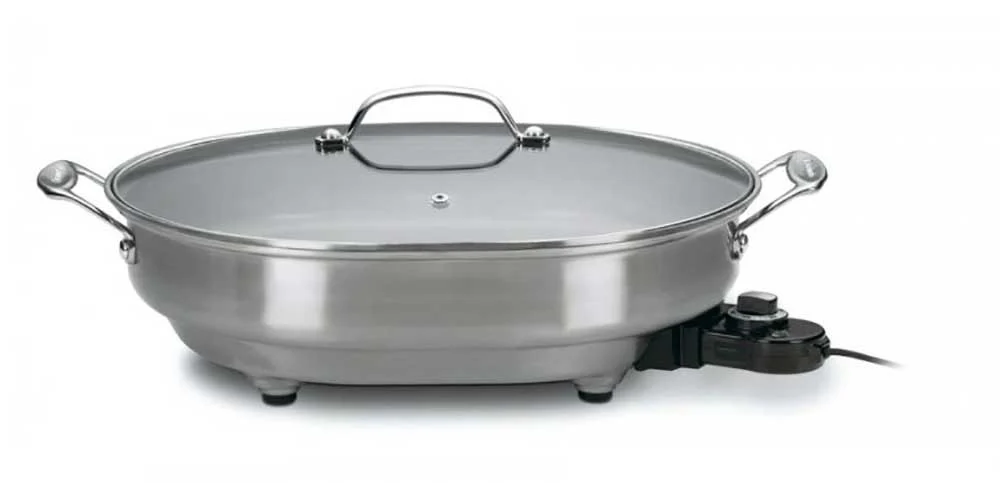
The Heart of the Matter: What Exactly Is a Trigger Release Probe?
In the simplest terms, a trigger release probe is a removable temperature controller for your electric skillet. It combines three key functions into one device: it plugs into the skillet, it measures the cooking surface’s temperature, and it allows you to set and maintain that temperature accurately.
Let’s break down the name itself:
- Probe: The metal rod part of the device that extends into a special socket on the skillet. This probe contains a thermostat that constantly senses the heat of the cooking surface.
- Trigger Release: This refers to the mechanism—often a button or lever you squeeze—that allows you to securely attach or easily detach the entire control unit from the skillet body.
- Control: This is the dial or digital interface on the unit where you set your desired temperature, usually ranging from “Warm” up to 400°F (or around 200°C) or higher.
So, when you put it all together, the what is a trigger release probe question has a simple answer: it’s a detachable thermostat that gives you command over your electric skillet’s heat.
A Culinary Pro’s Take: “I tell home cooks all the time, don’t just see the probe as an on/off switch,” says professional chef and appliance consultant, Maria Flores. “It’s a precision instrument. Learning to trust your skillet’s temperature dial is the first step to moving beyond pancakes and mastering everything from fried chicken to paella.”
How Does This Little Gadget Actually Work?
It might seem like magic, but the science behind the trigger release probe is beautifully straightforward. It’s all about a constant feedback loop. Here’s the play-by-play of what happens when you’re cooking up a storm:
- You Set the Temperature: You turn the dial to, let’s say, 350°F for some golden-brown fried chicken.
- Power On: An electrical circuit inside the probe is completed, sending power to the heating element embedded in the bottom of your electric skillet.
- Heating and Sensing: As the heating element warms up, the metal tip of the probe senses the rising temperature of the skillet’s surface.
- Reaching the Target: Inside the control unit, a component (often a bimetallic strip that bends with heat) reacts when the target temperature of 350°F is reached. This action temporarily breaks the electrical circuit. You’ll often hear a faint “click” and see the indicator light turn off.
- Maintaining the Heat: With the power cut, the skillet begins to cool down ever so slightly. The probe immediately senses this drop.
- Power Back On: Once the temperature falls just below the set point, the bimetallic strip straightens out, reconnects the circuit, the indicator light comes back on, and the heating element gets another jolt of power.
This cycle happens over and over, dozens of times a minute, to keep your skillet’s temperature remarkably stable. It’s this consistency that makes an electric skillet so much more reliable for certain dishes than a regular pan on a stovetop burner, which can have hot spots and fluctuate wildly.
Why the “Trigger Release” Feature is a Game Changer
Before detachable probes became the standard, electric skillets had their cords permanently attached. This was, to put it mildly, a hassle. The trigger release mechanism revolutionized the appliance in a few key ways:
- Easy and Safe Cleaning: This is the big one. Being able to remove the electrical component means you can fully submerge the skillet pan in soapy water for a thorough, worry-free cleaning. Trying to wash a skillet with an attached cord is both awkward and dangerous.
- Tidy Serving: Want to bring that beautiful skillet lasagna or hearty beef stew straight to the table? Just click the trigger, remove the probe, and your skillet instantly transforms into a handsome serving dish. No messy cord dangling on the dining room table.
- Convenient Storage: Storing an appliance with a floppy, awkward cord is never fun. The detachable probe can be stored separately, or often inside the skillet itself, making it much easier to stack and fit into a crowded kitchen cabinet.
|
Our Picks for the Best Electric Skillet in 2026
As an Amazon Associate, we earn from qualifying purchases.
|
||
| Num | Product | Action |
|---|---|---|
| 1 | Presto 07117 12\" Electric Skillet with glass cover |

|
| 2 | Presto 06852 16-Inch Electric Skillet with Glass Cover |
|
| 3 | Elite Gourmet EG808 8” x 8\" Non-stick Electric Skillet, Dishwasher Safe with Tempered Glass Vented Lid, Rapid Heat Up, 600W, Black |
|
| 4 | Crux Extra Deep Nonstick Scratch Resistant Electric Skillet with Removeable Temperature Probe, 12\" x 12\", silver (14620) |
|
| 5 | Elite Gourmet EG-6203# Extra Deep 16\"x13\"x3.2\" (10.5Qt.) Scratch Resistant, Easy Pour Spout Dishwasher Safe, Non-stick Electric Skillet with Glass Vented Lid, Adjustable Temperature, Black |
|
| 6 | Elite Gourmet 12\" x 12\" x 3” Ceralast™ Ceramic Non-stick PFAS Free, Dishwasher Safe Electric Skillet, Xtra Deep Dish, Rapid Heat 1200W, Black |
|
| 7 | BLACK+DECKER Electric Skillet, Variable Temperature Control, Nonstick Cooking Surface, Dishwasher Safe, Tempered Glass Lid, 12\"x15\" |
|
| 8 | Presto 06857 16-inch Electric Foldaway Skillet, Black |
|
| 9 | bella Make & Take Electric Skillet, Fits-anywhere™ kitchenware, EverGood™ Ceramic Coating, Adjustable Temperature & Dishwasher-Safe Tempered Glass Lid, Cast Aluminum Base, 1200 Watt, Surf |
|
| 10 | Chefman XL Electric Griddle with Removable Temperature Control, Immersible Flat Top Grill, Burger, Eggs, Pancake Griddle, Nonstick Extra Large Cooking Surface, Slide Out Drip Tray, 10 x 20 Inch |
|
Troubleshooting Your Trigger Release Probe
Even the most reliable tools can have off days. If your electric skillet is acting up, the probe is the first place you should look. Here are some common problems and how to fix them.
My Skillet Won’t Heat Up at All!
This is the most common complaint I hear. Before you panic, run through this simple checklist:
- Is it plugged in? I know, I know, but you’d be surprised! Check that the cord is plugged firmly into the wall outlet.
- Is the probe fully seated? This is the crucial step. Sometimes it looks like it’s in, but it hasn’t “clicked.” Unplug it from the skillet and plug it back in firmly until you hear or feel it lock into place. Wiggle it gently; it shouldn’t feel loose.
- Try another outlet. The issue might be with your home’s wiring, not the skillet.
- Check for debris. Unplug everything and look inside the probe socket on the skillet. Is there any built-up grease or food debris preventing a solid connection? Clean it out carefully with a dry cloth or a cotton swab.
The Temperature Seems Off (Too Hot or Too Cold)
If your food is consistently burning or taking forever to cook, your probe’s thermostat might need a little attention.
- Check for a secure fit: A loose probe won’t get an accurate temperature reading from the skillet body. Make sure it’s fully seated.
- Never submerge the probe: If the probe has accidentally been immersed in water, moisture can get inside and damage the thermostat. If you suspect this has happened, let it air dry completely for at least 24-48 hours before trying it again. Unfortunately, water damage is often permanent.
- Test with a thermometer: For the truly dedicated, you can test the accuracy. Pour a little high-smoke-point oil (like canola or vegetable oil) into the skillet, set the probe to 350°F, and check the oil’s temperature with an instant-read or candy thermometer. If it’s off by more than 25 degrees, the thermostat may be failing.
Can I Use a Different Probe with My Skillet?
This is a fantastic question and the short answer is almost always no. While many probes look similar, the connections, probe length, and temperature calibrations are proprietary to specific brands and even specific models within those brands.
Using the wrong probe can be ineffective at best and dangerous at worst. It might not fit, it could provide inaccurate temperatures (leading to burnt or undercooked food), or it could create an electrical hazard. If you lose or break your probe, you must buy an exact replacement from the manufacturer or a certified parts dealer.
Frequently Asked Questions (FAQ)
Q: What is a trigger release probe made of?
A: The housing is typically made of a hard, heat-resistant plastic like bakelite. The probe itself is a metal tube, usually aluminum or stainless steel, containing the thermostat mechanism. The cord is a standard insulated electrical wire.
Q: Can I put my electric skillet’s trigger release probe in the dishwasher?
A: Absolutely not! The probe contains sensitive electrical components. You should never submerge it in water or put it in a dishwasher. To clean it, simply wipe it down with a damp cloth and dry it thoroughly.
Q: Where can I buy a replacement trigger release probe?
A: Your best bet is to check the manufacturer’s website directly (e.g., Presto, Hamilton Beach, etc.). You can also find them on large online marketplaces like Amazon, but be sure to match the model number of your skillet exactly to ensure you get the correct one.
Q: How do I know if my probe is broken or if the skillet is?
A: If the skillet doesn’t heat up and you’ve checked the outlet and the connection, the probe is the most likely culprit, as it’s the part with more complex internal mechanics. If you can safely borrow a compatible probe from a friend, that’s a quick way to test.
Q: Why does the light on my probe turn on and off while cooking?
A: That’s a great sign! It means the probe is working perfectly. The light indicates when power is being sent to the heating element. It turns off when the set temperature is reached and turns back on when the temperature dips slightly and needs a boost.
The Final Word
So, what is a trigger release probe? It’s far more than just a power cord. It’s the intelligent, precise, and convenient heart of your electric skillet. It’s what gives you the power to hold a perfect temperature for deep frying, the gentle touch for slow-braising, and the consistency for flawless pancakes every single time. By understanding how this crucial component works and how to care for it, you’re not just maintaining an appliance—you’re mastering a versatile and powerful kitchen tool.