Ever wonder how your electric skillet nails that perfect, even temperature for everything from fluffy pancakes to a beautifully seared steak? You can thank its unsung hero: the small, detachable plug with a dial. If you’ve ever asked yourself, What Is A Master Heat Control, you’ve come to the right place. Think of it as the brain of your appliance. It’s not just a power cord; it’s a sophisticated device that gives you command over your cooking in a way your stovetop often can’t. Let’s pull back the curtain and reveal the magic behind this essential kitchen gadget.
So, What Exactly is a Master Heat Control?
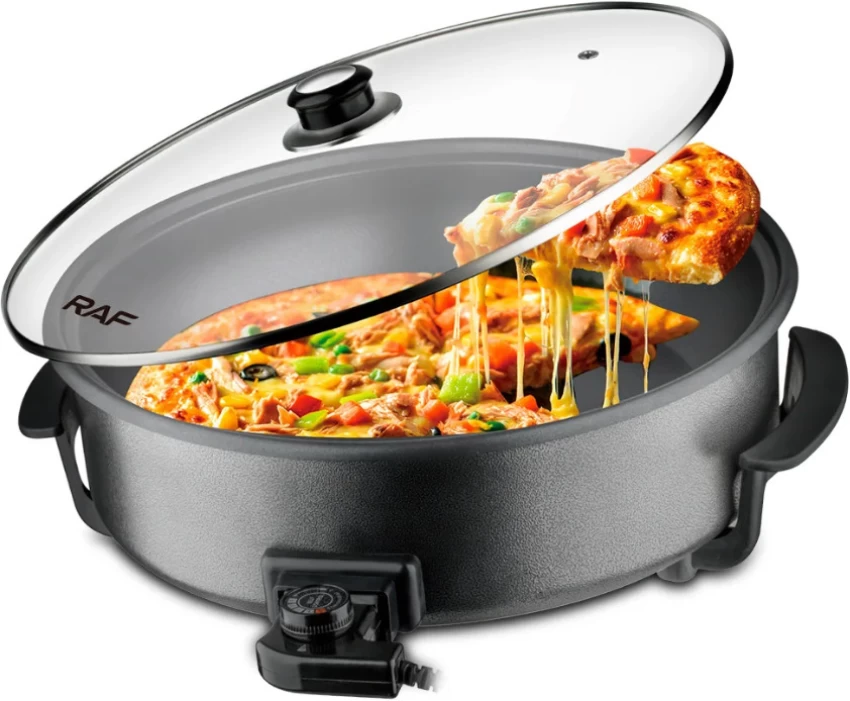
In the simplest terms, a master heat control is a removable, adjustable thermostat that plugs into many modern electric appliances, most notably electric skillets and griddles. It combines the power cord, a temperature dial, and a sensitive metal probe into one compact unit, giving you precise control over the cooking temperature.
It’s the command center for your skillet. Without it, your skillet is just a metal pan. With it, it becomes a versatile, precision cooking machine. The control unit works by constantly measuring the temperature of the skillet via its metal probe and then cycling the power on and off to maintain the exact temperature you’ve selected on the dial.
Breaking Down the Components
To truly understand it, let’s look at its three main parts:
- The Dial/Control Unit: This is the part you interact with. It features a rotating dial or sometimes a digital interface where you select your desired temperature, often ranging from “Warm” (around 175°F) to 400°F or even higher.
- The Power Cord: This is self-explanatory; it connects the unit to your wall outlet, providing the electricity needed to heat the skillet.
- The Temperature Probe: This is the long, thin metal rod that slides into a special socket on the skillet. This is the crucial sensory organ of the device. It’s constantly taking the skillet’s temperature and sending that information back to the thermostat in the dial unit.
How Does This Little Gizmo Actually Work?
The process is a brilliant piece of simple engineering. Think of it like the thermostat in your house. You set a desired temperature, and the heating system kicks on until it reaches that temperature, then shuts off. It kicks back on when the temperature drops. The master heat control does the exact same thing, just much faster.
- You Set the Temperature: You turn the dial to 350°F for frying chicken.
- Power On: Electricity flows from the wall, through the control, and into the skillet’s heating element. The skillet starts getting hot.
- The Probe Measures: The tip of the temperature probe is embedded inside the skillet, constantly measuring the heat.
- Reaching the Target: As the skillet’s temperature approaches 350°F, the thermostat inside the control unit prepares to act. Most use a bimetallic strip that bends as it heats up.
- Power Off: Once 350°F is reached, the bending metal strip trips a switch, cutting the flow of electricity. A small indicator light on the control will often click off at this point.
- The Cycle Repeats: As the skillet naturally cools down a few degrees from cooking, the bimetallic strip straightens, flipping the switch back on. The power flows again, bringing the temperature back up to 350°F.
This on-and-off cycle happens continuously, keeping the temperature remarkably stable.
According to appliance design engineer, Amelia Vance, “The precision of a quality master heat control is its greatest asset. Unlike a gas or electric stovetop that has hot spots and requires constant adjustment, the skillet’s probe measures the actual cooking surface temperature, resulting in a far more consistent and reliable heat source for the home cook.”
Why Is the Master Heat Control So Darn Important?
You might think it’s just a plug, but its role is what elevates the electric skillet from a simple pan to a versatile kitchen workhorse.
From Searing to Simmering: The Power of Precision
This is the number one benefit. Want to deep fry at a perfect 375°F without a separate thermometer? No problem. Need to hold a sauce at a gentle 200°F simmer without scorching? Easy. This level of control opens up a world of culinary possibilities.
- Perfect Searing: Achieve high, consistent heat for a perfect crust on steaks or burgers.
- Gentle Simmering: Hold stews, soups, and sauces at the perfect temperature for hours without boiling over.
- Reliable Frying: Keep oil at the ideal temperature, preventing greasy, undercooked food or burnt, smoking oil.
- Even Cooking: Eliminates the hot and cold spots common on stovetop burners.
The “Set It and Forget It” Freedom
Once you set the temperature, you can trust it. This is a game-changer for busy cooks. You can walk away to prep other ingredients or set the table, confident that your skillet isn’t going to suddenly overheat and burn your dinner. It makes multitasking in the kitchen far less stressful.
Safety First: Your Built-in Guardian
The master heat control is also a critical safety feature. By regulating the temperature, it prevents the appliance from overheating and becoming a fire hazard. If the thermostat fails, it’s designed to shut off power. Furthermore, because it’s removable, you can safely and fully submerge the skillet itself for easy cleaning—something you could never do if the electrical components were built-in.
|
Our Picks for the Best Electric Skillet in 2026
As an Amazon Associate, we earn from qualifying purchases.
|
||
| Num | Product | Action |
|---|---|---|
| 1 | Presto 06857 16-inch Electric Foldaway Skillet, Black |

|
| 2 | Elite Gourmet EG-6203# Extra Deep 16\"x13\"x3.2\" (10.5Qt.) Scratch Resistant, Easy Pour Spout Dishwasher Safe, Non-stick Electric Skillet with Glass Vented Lid, Adjustable Temperature, Black |
|
| 3 | bella Make & Take Electric Skillet, Fits-anywhere™ kitchenware, EverGood™ Ceramic Coating, Adjustable Temperature & Dishwasher-Safe Tempered Glass Lid, Cast Aluminum Base, 1200 Watt, Surf |
|
| 4 | BLACK+DECKER Electric Skillet, Variable Temperature Control, Nonstick Cooking Surface, Dishwasher Safe, Tempered Glass Lid, 12\"x15\" |
|
| 5 | Elite Gourmet 12\" x 12\" x 3” Ceralast™ Ceramic Non-stick PFAS Free, Dishwasher Safe Electric Skillet, Xtra Deep Dish, Rapid Heat 1200W, Black |
|
| 6 | Elite Gourmet EG808 8” x 8\" Non-stick Electric Skillet, Dishwasher Safe with Tempered Glass Vented Lid, Rapid Heat Up, 600W, Black |
|
| 7 | Presto 07117 12\" Electric Skillet with glass cover |
|
| 8 | Chefman XL Electric Griddle with Removable Temperature Control, Immersible Flat Top Grill, Burger, Eggs, Pancake Griddle, Nonstick Extra Large Cooking Surface, Slide Out Drip Tray, 10 x 20 Inch |
|
| 9 | Crux Extra Deep Nonstick Scratch Resistant Electric Skillet with Removeable Temperature Probe, 12\" x 12\", silver (14620) |
|
| 10 | Presto 06852 16-Inch Electric Skillet with Glass Cover |
|
Is a Master Heat Control Universal? A Common Question
This is one of the most frequent questions we get, and the answer is a firm no. While many look similar, master heat controls are not one-size-fits-all. Different brands and even different models within the same brand can use controls with uniquely shaped connectors or probe lengths.
What to Do If You Need a Replacement
Losing or breaking your heat control is frustrating, but it doesn’t mean your skillet is useless. Here’s what to do:
- Check the Skillet: Look for the brand and model number, which is usually stamped on the bottom of the appliance.
- Consult the Manufacturer: The best source for a genuine replacement is the manufacturer’s website (e.g., Presto, West Bend, Oster).
- Look for Part Numbers: Your original control might have a part number printed on it. Searching for this number online is often the fastest way to find a compatible replacement.
- Measure and Compare: If all else fails, you can try to find a generic replacement, but you must ensure the distance between the two electrical pins and the shape of the socket match your skillet perfectly. An improper fit can be a safety hazard.
Troubleshooting Common Master Heat Control Problems
Is your skillet acting up? Before you blame the appliance, the culprit is often the control.
| Problem | Possible Cause | Solution |
|---|---|---|
| Skillet won’t heat up at all. | Control not fully inserted. | Unplug and firmly re-insert the probe into the skillet. You should feel it click into place. |
| Faulty wall outlet. | Test the outlet with another appliance, like a lamp. | |
| Damaged or broken control. | Inspect the cord for frays and the probe for damage. Try to test it on a compatible appliance if you have one. | |
| Skillet gets too hot or doesn’t get hot enough. | Thermostat is failing. | This is a sign of internal wear. The thermostat is no longer reading or reacting to temperature correctly. |
| Food residue on the probe. | Make sure the probe and the skillet’s socket are clean. Built-up grease can interfere with the connection. | |
| Indicator light flickers or doesn’t work. | Loose internal connection. | A flickering light often indicates a poor connection either at the wall or in the skillet. |
| Burned-out bulb. | If the skillet still heats correctly but the light is off, the bulb has likely just burned out. The unit is still functional. |
Frequently Asked Questions (FAQ)
Q: Can I wash my master heat control?
A: Absolutely not. The master heat control contains electrical components and should never be submerged in water or put in the dishwasher. To clean it, simply wipe it down with a damp cloth after it has been unplugged and has cooled completely.
Q: How do I know if my master heat control is broken?
A: The most common signs are the skillet not heating at all, overheating and not shutting off, or failing to maintain a consistent temperature. If you’ve checked that it’s plugged in correctly and the outlet works, a faulty control is the likely problem.
Q: Are all Presto master heat controls the same?
A: No, they are not. Presto makes many different models of skillets and griddles, and they use several different types of Control Master heat controls. You must match the replacement part number to your specific appliance model to ensure compatibility and safety.
Q: What temperature should I set my master heat control to for pancakes?
A: A great starting point for pancakes on an electric skillet is between 350°F and 375°F. The precise temperature allows the pancakes to cook through evenly and develop a beautiful golden-brown color without burning.
Q: Where can I buy a replacement master heat control?
A: You can often purchase replacements directly from the manufacturer’s website, through major online retailers like Amazon, or from appliance parts supply stores online. Always double-check the model number for compatibility before purchasing.
The Heartbeat of Your Electric Skillet
So, what is a master heat control? It’s far more than a simple cord. It’s the intelligent, reliable, and precise heart of your electric skillet. It’s what gives you the power to cook with confidence, the freedom to multitask, and the consistency to get delicious results every single time. Understanding how this small but mighty device works is the first step to truly mastering your electric skillet and unlocking its full potential. Now go on, get cooking! We’d love to hear about your favorite electric skillet creations in the comments below.