Ever found yourself in that classic dinner party pickle? The main course is ready, piping hot and perfect, but your guests are still mingling, and the side dishes are lagging a few minutes behind. It’s a culinary tightrope walk. You don’t want the food to get cold, but you dare not overcook it into oblivion. If this scenario sounds familiar, let’s talk about the unsung hero of many modern appliances. So, What Is A Keep Warm Function For? It’s your secret weapon for stress-free cooking and perfect timing, and today, we’re going to demystify it completely, especially as it relates to your trusty electric skillet.
A Trip Down Memory Lane: The Electric Skillet’s Evolution
Before we dive into specific features, it’s fun to appreciate how far these gadgets have come. The electric skillet burst onto the American kitchen scene in the 1950s, a symbol of modern convenience. Early models were pretty straightforward: a pan, a heating element, and a simple temperature dial. Their main selling point was portability and freeing up stovetop space. But as technology advanced, so did the skillet. Manufacturers started adding more precise temperature controls, better non-stick surfaces, and, you guessed it, the wonderfully convenient keep warm setting. It was a small change that made a world of difference in the home kitchen.
Decoding Your Electric Skillet: Key Features and Anatomy
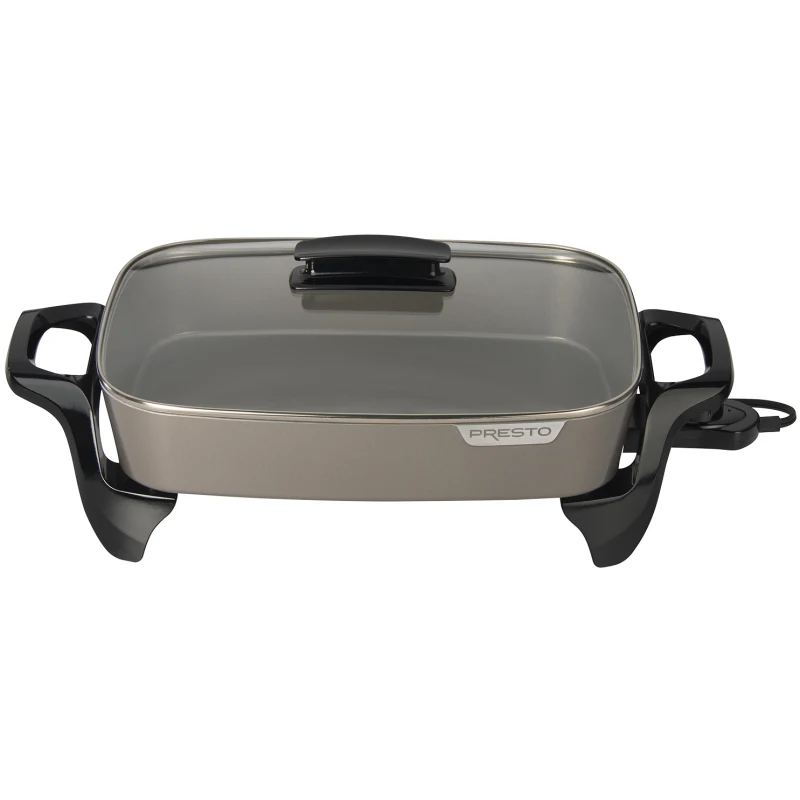
To understand the keep warm function, you first need to know your tool. Most electric skillets consist of a few key parts:
- The Skillet/Pan: This is the main cooking vessel, usually made from aluminum or stainless steel with a non-stick coating.
- The Lid: Often glass, allowing you to monitor your food without releasing precious heat and moisture.
- The Base/Heating Element: The powerhouse of the appliance, containing the coils that generate heat.
- The Temperature Control Probe: This is the brains of the operation. It plugs into the skillet, regulates the electricity flow to the heating element, and is where you’ll find all your temperature settings, including “Warm.”
This probe is what makes an electric skillet so much more precise than a standard stovetop pan, allowing for consistent temperatures perfect for everything from frying chicken to, well, keeping it warm.
So, What Is a Keep Warm Function For, Really?
At its core, the keep warm function is a very low-temperature setting designed to hold cooked food at a safe, palatable temperature without continuing to cook it. It’s the perfect middle ground between “on” and “off.”
Think of it as a gentle, warm hug for your food. It maintains just enough heat to keep your meal ready to serve but not so much that it dries out, burns, or turns to mush. It’s the feature that transforms your electric skillet from a mere cooking device into a versatile serving and hosting assistant.
How Does It Actually Work?
It’s simpler than you might think. When you select the “Keep Warm” setting, the temperature probe instructs the heating element to cycle on and off at a much lower intensity. It aims to hold the food’s internal temperature above the food safety “danger zone” (40°F – 140°F or 4°C – 60°C), typically settling in around 140°F to 160°F (60°C to 70°C). This gentle, intermittent heat is the key to preserving the texture and moisture of your food.
The Everyday Magic of Keeping Food Warm
The practical applications are where this function truly shines. It’s not just a button; it’s a solution to common kitchen frustrations.
- Flawless Party Hosting: Prepare a dish like pulled pork or chili in your electric skillet, then switch it to “Keep Warm.” It instantly becomes a self-serve buffet station, keeping the food perfect for hours while you enjoy your own party.
- Managing Staggered Mealtimes: In a busy household, people rarely eat at the same time. The keep warm function ensures that the family member working late gets a meal that’s just as warm and delicious as the one served hours earlier.
- Synchronizing Your Dinner: You’ve perfectly seared the steaks, but the roasted potatoes need another 10 minutes. No problem. Transfer the steaks to the electric skillet on warm, and everything will be ready to hit the table at the same time, at the perfect temperature.
- Preventing the Dreaded “Rubbery” Reheat: Microwaving can often ruin the texture of certain foods. Holding them on a gentle warm setting is a far superior way to keep them tasting fresh.
Mastering Your Electric Skillet: A User’s Guide
Getting the most out of your skillet is easy when you know the basics. Here’s a simple step-by-step approach:
- Preheat Properly: Always preheat your skillet to the desired cooking temperature before adding your food. Most models have an indicator light that turns off when the set temperature is reached.
- Cook Your Meal: Use the skillet as you normally would—fry, sauté, braise, or simmer your dish to perfection.
- Engage the Warmth: Once the food is fully cooked, turn the temperature dial down to the “Warm” or “Keep Warm” setting.
- Keep the Lid On: For most dishes, especially those with sauces or moisture, keeping the lid on will prevent them from drying out. For crispy foods, you might leave the lid slightly ajar to allow steam to escape.
- Serve When Ready: Relax, knowing your food is being held at the ideal serving temperature until you’re ready.
Beyond the Basics: Creative Uses and Pro Tips
Your electric skillet is more versatile than you think. Don’t be afraid to experiment!
“The electric skillet’s precise temperature control, especially at the lower end, opens up possibilities people don’t often consider,” notes appliance design engineer, Amelia Chen. “The keep warm function isn’t just for holding dinner; it can be used for delicate tasks like melting chocolate without scorching it or even as a makeshift proofing box for bread dough on a cold day.”
Here are a few more ideas:
- Buffet-Style Server: Line up a couple of electric skillets at your next gathering for a full hot buffet of meatballs, macaroni and cheese, or warm dips.
- Pancake and Waffle Warmer: As you make a big batch of pancakes for a weekend breakfast, transfer the finished ones to an electric skillet on warm. Everyone gets a hot stack at the same time.
- Softening Butter: Need softened butter for baking in a hurry? Place a stick of butter (in its wrapper) in the skillet on the lowest warm setting for a few minutes. It works like a charm.
|
Our Picks for the Best Electric Skillet in 2026
As an Amazon Associate, we earn from qualifying purchases.
|
||
| Num | Product | Action |
|---|---|---|
| 1 | Presto 06852 16-Inch Electric Skillet with Glass Cover |

|
| 2 | Presto 07117 12\" Electric Skillet with glass cover |
|
| 3 | Elite Gourmet 12\" x 12\" x 3” Ceralast™ Ceramic Non-stick PFAS Free, Dishwasher Safe Electric Skillet, Xtra Deep Dish, Rapid Heat 1200W, Black |
|
| 4 | Chefman XL Electric Griddle with Removable Temperature Control, Immersible Flat Top Grill, Burger, Eggs, Pancake Griddle, Nonstick Extra Large Cooking Surface, Slide Out Drip Tray, 10 x 20 Inch |
|
| 5 | bella Make & Take Electric Skillet, Fits-anywhere™ kitchenware, EverGood™ Ceramic Coating, Adjustable Temperature & Dishwasher-Safe Tempered Glass Lid, Cast Aluminum Base, 1200 Watt, Surf |
|
| 6 | Presto 06857 16-inch Electric Foldaway Skillet, Black |
|
| 7 | Elite Gourmet EG-6203# Extra Deep 16\"x13\"x3.2\" (10.5Qt.) Scratch Resistant, Easy Pour Spout Dishwasher Safe, Non-stick Electric Skillet with Glass Vented Lid, Adjustable Temperature, Black |
|
| 8 | BLACK+DECKER Electric Skillet, Variable Temperature Control, Nonstick Cooking Surface, Dishwasher Safe, Tempered Glass Lid, 12\"x15\" |
|
| 9 | Elite Gourmet EG808 8” x 8\" Non-stick Electric Skillet, Dishwasher Safe with Tempered Glass Vented Lid, Rapid Heat Up, 600W, Black |
|
| 10 | Crux Extra Deep Nonstick Scratch Resistant Electric Skillet with Removeable Temperature Probe, 12\" x 12\", silver (14620) |
|
The Undeniable Benefits of an Electric Skillet
If you’re still on the fence, consider the advantages this single appliance brings to your kitchen:
- Energy Efficiency: It often uses less energy than a large stovetop burner or oven, especially for slow-cooking or warming.
- Portability: Cook anywhere there’s an outlet! Think patios, RVs, or dorm rooms. It’s a second kitchen you can take with you.
- Precise Temperature Control: It maintains a consistent heat that can be difficult to achieve on a gas or electric range, leading to more evenly cooked food.
- Frees Up Your Stove: During big holiday meals, an electric skillet is an absolute lifesaver for making side dishes or keeping gravy warm, leaving your stovetop free for other tasks.
What Can You Cook in an Electric Skillet?
The better question is, what can’t you cook? From breakfast to dinner, this appliance is a workhorse. Here are just a few ideas to get your culinary creativity flowing:
- Breakfast: Fluffy pancakes, crispy bacon, scrambled eggs, and hash browns.
- Main Courses: Southern fried chicken, pan-seared steaks, shallow-fried fish, braised short ribs, and one-pan pasta dishes.
- Side Dishes: Sautéed vegetables, scalloped potatoes, and fried rice.
- Appetizers: Warm spinach and artichoke dip, cocktail meatballs, or quesadillas.
The even, controlled heat makes it ideal for dishes that require a consistent temperature to avoid burning or undercooking. You can find a wide range of recipes and inspiration right here on our site, like our [foolproof guide to electric skillet fried chicken].
Frequently Asked Questions (FAQ)
Q: Can I actually cook food on the keep warm setting?
A: No, the keep warm setting is not hot enough to cook raw food safely. It is designed only to hold the temperature of already cooked food. Attempting to cook on this setting could leave your food in the temperature “danger zone” for too long, promoting bacteria growth.
Q: How long can I safely leave food on the keep warm function?
A: According to general food safety guidelines, you can hold hot food for up to two to four hours. After that, the texture may begin to degrade, and it’s best to refrigerate any leftovers. Always use your best judgment.
Q: Does the keep warm function use a lot of electricity?
A: It uses significantly less electricity than active cooking. Because the heating element only cycles on periodically to maintain the temperature, its energy consumption is quite low, making it an efficient way to keep food ready.
Q: What is the exact temperature of the keep warm function?
A: This varies slightly by manufacturer, but it generally holds food between 140°F and 160°F (60°C – 70°C). This is hot enough to prevent bacteria growth while being gentle enough to avoid overcooking.
Q: Will the keep warm function dry out my food?
A: It can, especially over a long period or with foods that have low moisture content. For dishes like roasts, stews, or anything in a sauce, it works perfectly. For drier or crispy items like fried chicken, it’s best to use the function for a shorter period or leave the lid ajar to prevent them from becoming soggy.
The Warm Conclusion
So, let’s circle back to our original question: what is a keep warm function for? It’s for peace of mind. It’s for flexibility. It’s for taking the stress out of timing your meals and the chaos out of hosting. This simple setting elevates your electric skillet from a cooking appliance to an indispensable kitchen assistant. It empowers you to cook on your own schedule and serve delicious, perfectly hot food whenever you’re ready. So next time you’re planning a meal, don’t overlook that humble “Warm” setting—it just might be the key to your most relaxing and successful cooking adventure yet.
We’d love to hear from you! How has the keep warm function saved your dinner? Share your stories and tips in the comments below.