Let’s be honest, when you unbox a brand new electric skillet, your eyes are probably on that big, beautiful non-stick surface or the shiny temperature probe. You’re already dreaming of sizzling bacon or perfectly fluffy pancakes. But have you ever stopped to look at what’s underneath? Tucked away, holding the entire operation up, are some of the most important, yet overlooked, parts of the appliance. So, What Is A Heat Resistant Leg? It’s far more than just a little plastic foot; it’s the unsung hero that stands between your hot, hardworking skillet and a permanently scorched countertop.
Think of them as the tiny, tireless bodyguards for your kitchen surfaces. A heat resistant leg is a specifically engineered support component, usually made from a high-temperature polymer or composite material. Its primary job is to elevate the hot base of the electric skillet, creating a critical air gap that prevents direct heat transfer to the surface below, ensuring both safety and stability during cooking. Without them, your culinary masterpiece could create a disastrous, and costly, mess.
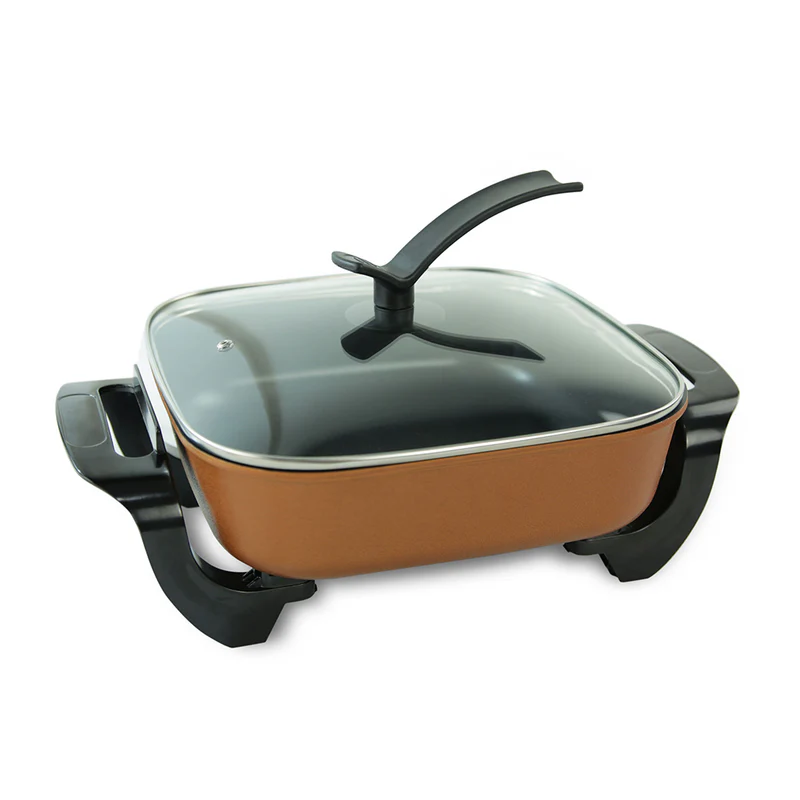
The Unsung Hero: Breaking Down the Heat Resistant Leg
At first glance, they might just look like simple plastic feet. But the science behind them is what makes them so essential. These aren’t just any old pieces of plastic; they are the result of deliberate material science designed to handle the rigors of a kitchen environment.
So, What Are They Actually Made Of?
The magic lies in the materials. Manufacturers use specific plastics and composites known for their high melting points and poor thermal conductivity. You’ll often find them made from:
- Bakelite (Phenolic Resin): This is one of the original thermosetting plastics. Once it’s molded and cured, it cannot be melted or reshaped. It’s incredibly durable and an excellent electrical and thermal insulator, making it a classic choice for appliance handles and, you guessed it, heat resistant legs.
- Silicone: High-grade silicone is another popular choice. It’s flexible, durable, and can withstand extremely high temperatures without degrading. As a bonus, it often provides a non-slip grip, adding an extra layer of stability to your skillet.
- High-Temperature Thermoplastics: Modern appliances might use advanced plastics like PEEK (Polyether ether ketone) or other specially formulated polymers. These are engineered to be lightweight, strong, and exceptionally resistant to heat.
According to appliance design engineer John Carter, “The material choice for a what is a heat resistant leg is a critical safety decision. It needs to provide thermal insulation to protect countertops, structural integrity to support a full skillet, and long-term durability against heat cycling. It’s a small part with a massive responsibility.”
Why Can’t They Just Be Regular Plastic or Metal?
This is a great question that gets to the heart of the design. Using regular plastic would be a recipe for disaster—it would melt under the sustained heat from the skillet, potentially fusing to your counter and creating a wobbly, unsafe cooking surface.
What about metal? While metal is strong, it’s also an excellent conductor of heat. Metal legs would simply transfer the heat from the skillet’s body directly to your countertop, defeating the entire purpose and leaving you with burn marks. The special materials used are chosen because they are insulators, not conductors.
More Than Just Feet: The Triple-Threat Function
A what is a heat resistant leg does more than just one job. It’s a multi-tasking component that is essential for the safe and effective operation of your electric skillet. Its functions can be broken down into three key areas.
Function 1: The Countertop Guardian
This is its most obvious and vital role. An electric skillet can reach temperatures upwards of 400°F (200°C). Placing that kind of direct heat on a laminate, wood, or even some types of stone countertop can cause:
- Scorching and Discoloration: Permanent burn marks that are impossible to remove.
- Warping: The heat can cause laminate to bubble or wood to warp.
- Cracking: In extreme cases, sudden temperature changes can even cause thermal shock and crack stone or tile surfaces.
The heat resistant legs elevate the skillet, creating a buffer of air that acts as a natural insulator, keeping your counters pristine.
Function 2: The Stability Specialist
Imagine a heavy skillet full of hot oil or bubbling stew. The last thing you want is for it to slide around or wobble. The legs, often designed with non-slip materials like silicone, provide a firm, stable base. This prevents accidental spills and burns, making your cooking experience significantly safer. A level and stable skillet also ensures that oil and sauces are distributed evenly, leading to better cooking results. You can find more on this in our deep dive on choosing the right electric skillet for your needs.
Function 3: The Airflow Architect
That air gap we mentioned isn’t just for protecting your counter. It also allows for proper airflow around the bottom of the appliance. This helps to dissipate excess heat from the skillet’s housing and internal electronics, preventing the unit from overheating. Proper ventilation is key to the longevity and efficient performance of any electrical appliance.
What Happens if a Heat Resistant Leg is Damaged?
Because they’re so crucial, a broken or missing leg is a serious issue. If you notice a crack, or if one of the legs has come off, you should stop using the skillet immediately.
Using an electric skillet with a compromised leg introduces several risks:
- Instability: The skillet will be wobbly and uneven, making it a major spill hazard.
- Countertop Damage: The compromised side of the skillet may get too close to the counter, causing heat damage.
- Uneven Cooking: A tilted skillet means your food will cook unevenly, with one side burning while the other is undercooked.
If you find yourself in this situation, check your user manual. Most manufacturers offer replacement parts. Don’t try to rig a solution with a book or a piece of wood—it’s not worth the risk.
|
Our Picks for the Best Electric Skillet in 2026
As an Amazon Associate, we earn from qualifying purchases.
|
||
| Num | Product | Action |
|---|---|---|
| 1 | Presto 06852 16-Inch Electric Skillet with Glass Cover |

|
| 2 | Presto 07117 12\" Electric Skillet with glass cover |
|
| 3 | Elite Gourmet EG-6203# Extra Deep 16\"x13\"x3.2\" (10.5Qt.) Scratch Resistant, Easy Pour Spout Dishwasher Safe, Non-stick Electric Skillet with Glass Vented Lid, Adjustable Temperature, Black |
|
| 4 | Presto 06857 16-inch Electric Foldaway Skillet, Black |
|
| 5 | Chefman XL Electric Griddle with Removable Temperature Control, Immersible Flat Top Grill, Burger, Eggs, Pancake Griddle, Nonstick Extra Large Cooking Surface, Slide Out Drip Tray, 10 x 20 Inch |
|
| 6 | Elite Gourmet EG808 8” x 8\" Non-stick Electric Skillet, Dishwasher Safe with Tempered Glass Vented Lid, Rapid Heat Up, 600W, Black |
|
| 7 | bella Make & Take Electric Skillet, Fits-anywhere™ kitchenware, EverGood™ Ceramic Coating, Adjustable Temperature & Dishwasher-Safe Tempered Glass Lid, Cast Aluminum Base, 1200 Watt, Surf |
|
| 8 | Elite Gourmet 12\" x 12\" x 3” Ceralast™ Ceramic Non-stick PFAS Free, Dishwasher Safe Electric Skillet, Xtra Deep Dish, Rapid Heat 1200W, Black |
|
| 9 | BLACK+DECKER Electric Skillet, Variable Temperature Control, Nonstick Cooking Surface, Dishwasher Safe, Tempered Glass Lid, 12\"x15\" |
|
| 10 | Crux Extra Deep Nonstick Scratch Resistant Electric Skillet with Removeable Temperature Probe, 12\" x 12\", silver (14620) |
|
The Expert’s Corner: A Quick Check-Up for Your Skillet’s Legs
Before you start cooking, especially with an older skillet, it’s a good idea to give the legs a quick inspection. It only takes a few seconds and can save you a lot of trouble.
- Check for Cracks: Turn the (unplugged and cool) skillet over and look for any hairline cracks or fractures in the legs.
- Test for Wobbles: Place the skillet on a flat surface and gently try to rock it. It should sit perfectly flat and be stable.
- Ensure They’re Secure: Gently wiggle each leg to make sure it’s firmly attached to the skillet’s body.
- Cleanliness is Key: Wipe them down to remove any grease buildup, which can degrade the material over time and reduce their non-slip properties. For more tips, see our guide on how to clean your electric skillet properly.
Frequently Asked Questions About Heat Resistant Legs
Q: Can I replace a broken heat resistant leg on my electric skillet?
A: Yes, in most cases. You should first consult your appliance’s user manual or contact the manufacturer’s customer service. They can often provide or direct you to where you can purchase official replacement parts to ensure a safe and proper fit.
Q: Are all heat resistant legs made from the same material?
A: No. The materials vary by brand, model, and the age of the appliance. Common materials include Bakelite, high-temperature silicone, and other specialized thermosetting plastics. Always use the manufacturer-approved replacement part to ensure it meets the required heat safety standards.
Q: How do I clean the legs of my electric skillet?
A: Clean the legs with a damp cloth and a small amount of mild dish soap. Be sure to wipe away any grease or food residue. Avoid using abrasive scrubbers or harsh chemicals, as they can damage the material and compromise its integrity.
Q: What is the difference between a “leg” and a “foot” on an appliance?
A: The terms are often used interchangeably. Generally, both refer to the supports that elevate the appliance from the surface it rests on. “Heat resistant leg” is a more descriptive term that emphasizes its crucial function in managing heat.
Q: Is it safe to put my electric skillet on a wooden cutting board if a leg is broken?
A: No, this is not a safe solution. A temporary fix like a cutting board is not stable and does not guarantee protection from heat. A wooden board can scorch or even catch fire. Always replace the broken leg before using the skillet again.
The Foundation of Great Meals
So, the next time you’re about to sear some steaks or whip up a hearty breakfast, take a moment to appreciate those small but mighty supports underneath. The what is a heat resistant leg is truly the foundation of every great meal you make in your electric skillet. It’s the silent guardian that protects your kitchen, ensures your safety, and helps you achieve perfect, evenly cooked results every time. They prove that in the world of cooking, sometimes the smallest parts play the biggest roles.