Hey there, fellow food lover! Ever picked up a modern electric skillet and marveled at how it’s so light yet heats up like a dream? You’ve probably got cast aluminum to thank for that. If you’ve been asking yourself, What Is A Cast Aluminum Skillet, you’ve landed in the right place. As the heart and soul of most modern electric skillets, understanding this material is the key to unlocking a world of delicious, hassle-free cooking. Let’s dive in and demystify the workhorse of your countertop kitchen.
So, What Is a Cast Aluminum Skillet, Really?
At its core, a cast aluminum skillet is a cooking pan made by pouring molten aluminum into a mold, or a “cast.” Think of it like making a Jell-O mold, but with super-hot liquid metal. Once it cools and solidifies, you get a single, solid piece of cookware in the exact shape desired.
This process is fundamentally different from “stamped” aluminum pans, which are made by pressing a thin sheet of aluminum into a pan shape. The casting process allows for thicker bases and walls, which is the secret sauce for one of its most celebrated features: superior heat distribution.
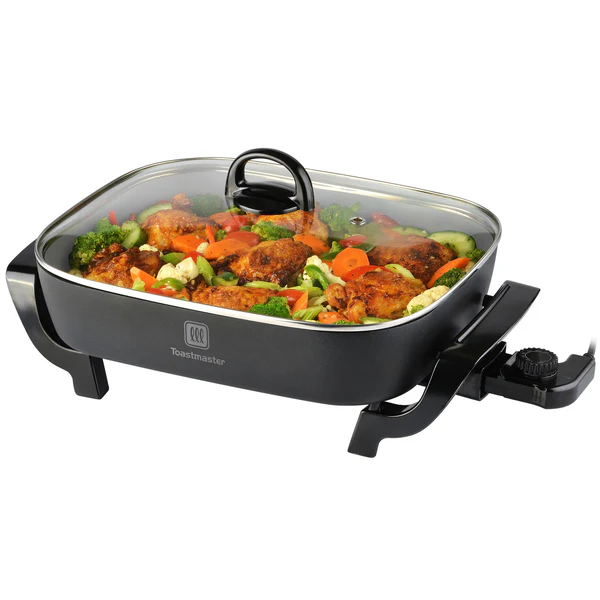
According to appliance design engineer, Amelia Vance, “The ability to control the thickness and shape precisely during the casting process is why cast aluminum is the go-to material for electric skillets. It allows us to integrate the heating element channels directly and ensure there are no hot or cold spots on the cooking surface.”
This means no more sad, half-cooked pancakes or chicken that’s burnt on one side and raw on the other. With a cast aluminum skillet, the heat spreads evenly and consistently, giving you predictable, reliable results every single time.
Why Cast Aluminum is the Star of the Electric Skillet World
You might be wondering, “Okay, but why is this material so perfect for electric skillets specifically?” It’s a great question! It all comes down to a magical combination of properties that make it uniquely suited for the job.
Unbeatable Heat Conductivity
Aluminum is a fantastic conductor of heat. It heats up quickly and transfers that heat across its surface with incredible efficiency. This means your electric skillet gets to the right temperature fast and stays there, which is a huge win for busy weeknight dinners.
Surprisingly Lightweight
Let’s be real, nobody enjoys lugging a heavy pan from the cupboard to the counter. Compared to its cast iron cousin, cast aluminum is a featherweight. This makes your electric skillet easy to handle, move, and clean, even when you’re making a giant batch of chili for the whole family.
The Perfect Partner for Non-Stick Coatings
Most modern electric skillets feature a non-stick surface. The smooth, stable surface of a cast aluminum skillet provides an ideal base for these coatings to adhere to. This results in a durable, long-lasting non-stick pan that makes both cooking and cleanup an absolute breeze. Say goodbye to stuck-on scrambled eggs!
Ultimate Design Flexibility
The casting process allows manufacturers to create complex shapes. This is why you see electric skillets with built-in pour spouts, specialized legs, and secure handles. The material is versatile, allowing for thoughtful, user-friendly designs that you just can’t get with other materials.
Cast Aluminum vs. The Contenders: A Friendly Showdown
To truly understand what is a cast aluminum skillet is, it helps to see how it stacks up against other popular cookware materials.
| Feature | Cast Aluminum (in an Electric Skillet) | Cast Iron | Stainless Steel |
|---|---|---|---|
| Heat-Up Time | Fast | Slow | Medium |
| Heat Retention | Good | Excellent | Fair |
| Even Heating | Excellent | Good (once hot) | Prone to hot spots |
| Weight | Lightweight | Very Heavy | Medium |
| Non-Stick | Usually coated | Requires seasoning | Not naturally non-stick |
| Reactivity | Non-reactive (coated) | Reactive with acidic foods | Non-reactive |
| Maintenance | Easy to clean | Requires special care | Can be tough to clean |
As you can see, cast aluminum hits the sweet spot for an appliance like an electric skillet, offering the perfect balance of performance and convenience.
Getting the Most Out of Your Cast Aluminum Electric Skillet
Owning one of these beauties is just the first step. To truly make it sing, you need to know how to treat it right. Here in my kitchen, I’ve learned a few tricks over the years that make all the difference.
- Always Preheat: Give your skillet a few minutes to come to temperature before you add any food. Because it heats so evenly, preheating ensures the entire surface is ready to go, giving you a perfect sear every time.
- Use the Right Fat: While you don’t need a lot of oil thanks to the non-stick surface, a little bit goes a long way for flavor and browning. I prefer oils with a higher smoke point, like canola or avocado oil.
- Mind Your Utensils: To protect that precious non-stick coating, always opt for silicone, nylon, or wooden utensils. Metal spoons and spatulas can cause scratches that will degrade the surface over time.
- Control the Temperature: The best part of an electric skillet is the precise temperature control. Don’t be afraid to adjust it! Start high for a good sear, then turn it down to let things simmer gently. Check out [our guide to electric skillet temperatures] for more specific tips.
|
Our Picks for the Best Electric Skillet in 2026
As an Amazon Associate, we earn from qualifying purchases.
|
||
| Num | Product | Action |
|---|---|---|
| 1 | bella Make & Take Electric Skillet, Fits-anywhere™ kitchenware, EverGood™ Ceramic Coating, Adjustable Temperature & Dishwasher-Safe Tempered Glass Lid, Cast Aluminum Base, 1200 Watt, Surf |

|
| 2 | Presto 06857 16-inch Electric Foldaway Skillet, Black |
|
| 3 | Chefman XL Electric Griddle with Removable Temperature Control, Immersible Flat Top Grill, Burger, Eggs, Pancake Griddle, Nonstick Extra Large Cooking Surface, Slide Out Drip Tray, 10 x 20 Inch |
|
| 4 | Crux Extra Deep Nonstick Scratch Resistant Electric Skillet with Removeable Temperature Probe, 12\" x 12\", silver (14620) |
|
| 5 | Elite Gourmet 12\" x 12\" x 3” Ceralast™ Ceramic Non-stick PFAS Free, Dishwasher Safe Electric Skillet, Xtra Deep Dish, Rapid Heat 1200W, Black |
|
| 6 | Elite Gourmet EG-6203# Extra Deep 16\"x13\"x3.2\" (10.5Qt.) Scratch Resistant, Easy Pour Spout Dishwasher Safe, Non-stick Electric Skillet with Glass Vented Lid, Adjustable Temperature, Black |
|
| 7 | BLACK+DECKER Electric Skillet, Variable Temperature Control, Nonstick Cooking Surface, Dishwasher Safe, Tempered Glass Lid, 12\"x15\" |
|
| 8 | Presto 06852 16-Inch Electric Skillet with Glass Cover |
|
| 9 | Presto 07117 12\" Electric Skillet with glass cover |
|
| 10 | Elite Gourmet EG808 8” x 8\" Non-stick Electric Skillet, Dishwasher Safe with Tempered Glass Vented Lid, Rapid Heat Up, 600W, Black |
|
How to Clean and Care for Your Skillet
Keeping your cast aluminum electric skillet in tip-top shape is surprisingly simple. Just follow this easy checklist after each use.
- Let it Cool Down: Never plunge a hot skillet into cold water. The sudden temperature change (thermal shock) can warp the metal or damage the non-stick coating.
- Gentle Hand Washing: Use a soft sponge or cloth with warm, soapy water. Avoid abrasive scrubbers, steel wool, or harsh cleaning chemicals.
- Stubborn Messes: For stuck-on food, fill the skillet with a bit of water and a drop of dish soap, then set it to a low temperature for a few minutes. This will loosen everything up without any hard scrubbing.
- Dry Thoroughly: Wipe it dry with a soft towel before storing to prevent water spots and protect the electrical components.
- Skip the Dishwasher: Even if the manual says it’s “dishwasher safe,” I always recommend hand washing. The harsh detergents and high heat in a dishwasher can shorten the life of the non-stick coating.
What Can You Cook in a Cast Aluminum Electric Skillet?
The better question is, what can’t you cook? This versatile tool is a true kitchen MVP. It’s not just for frying; its even heat and large capacity make it perfect for a huge range of dishes.
- Breakfast Feasts: Think fluffy pancakes, crispy bacon, and perfect French toast. The large surface area means you can cook enough for the whole family at once. Why not try [our favorite buttermilk pancake recipe]?
- One-Pan Dinners: Sauté vegetables, brown your protein, and then add your sauce to simmer—all in one pan. It’s perfect for stir-fries, chicken cacciatore, or skillet lasagna.
- Perfectly Fried Foods: The deep sides and precise temperature control make it ideal for shallow frying. Get crispy, golden-brown fried chicken or fish and chips without a deep fryer.
- Simmering and Braising: The consistent, low heat is great for gently simmering sauces, stews, or braising tougher cuts of meat until they are fall-apart tender.
Frequently Asked Questions (FAQ)
Q: Is cooking in a cast aluminum skillet safe?
A: Yes, it is perfectly safe. Modern cast aluminum skillets are almost always coated with a high-quality, food-grade non-stick surface, so your food never comes into direct contact with the aluminum. These coatings are regulated and tested for safety.
Q: Can I use a cast aluminum electric skillet on the stovetop?
A: No, you should never use an electric skillet on a stovetop. The skillet has its own built-in heating element and is not designed to be heated by an external source like a gas or electric burner. Doing so could damage the appliance and be a fire hazard.
Q: How is cast aluminum different from cast iron?
A: The main differences are weight and heat conductivity. Cast aluminum is much lighter and heats up significantly faster than cast iron. Cast iron, however, retains heat for a much longer period once it’s hot.
Q: Does a cast aluminum skillet need to be seasoned?
A: No. Unlike cast iron, a cast aluminum skillet with a non-stick coating does not require seasoning. The coating provides the non-stick properties right out of the box.
Q: Why does my cast aluminum electric skillet have hot spots?
A: If a quality cast aluminum skillet develops hot spots, it’s often a sign that the internal heating element is failing or has been damaged. It could also indicate that the non-stick surface has been deeply scratched or worn down in certain areas, affecting heat transfer.
The Final Word
So, what is a cast aluminum skillet? It’s the unsung hero of the modern kitchen countertop. It’s the lightweight, fast-heating, and reliable foundation that makes your electric skillet such an indispensable tool. It combines the even-heating benefits of casting with the convenience of a lightweight material, creating a cooking experience that is both forgiving for beginners and powerful for seasoned cooks.
By understanding what it’s made of and how to care for it, you’re not just using an appliance—you’re mastering a tool that can truly transform the way you cook. Now go on and whip up something amazing! We’d love to hear about your favorite electric skillet meal in the comments below.