Ever found yourself staring at a greasy electric skillet after a fantastic meal, a sense of dread slowly creeping in? You’ve just fried up some perfect chicken, but now you’re facing the cleanup. You see the term “fully immersible” on the box or in the manual, and a question pops into your head: What Does Fully Immersible Mean, and can it really save me from this scrubbing nightmare? As your go-to expert at Electric Skillet Guide, I’m here to tell you that yes, it absolutely can. It’s a feature that separates a good electric skillet from a great one.
Let’s be honest, cleaning appliances can be a real chore. The fear of getting water in the wrong place and causing a short circuit is real. But the “fully immersible” feature is designed to eliminate that very fear. It’s a term that promises convenience, cleanliness, and peace of mind. So, let’s dive in and demystify this kitchen-changing feature once and for all.
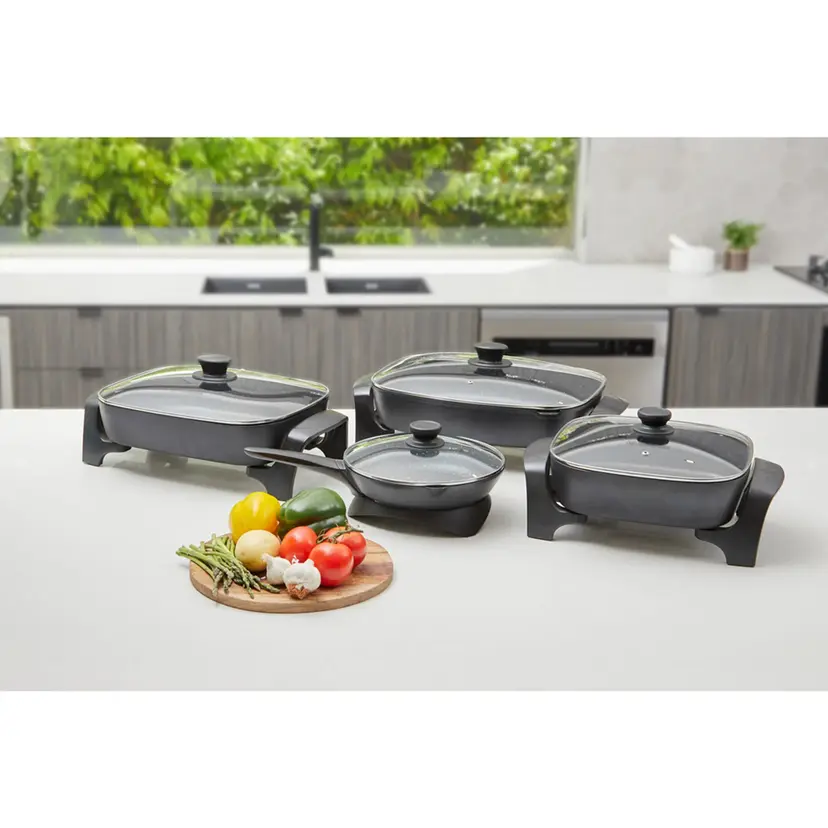
The Simple Answer: What Does Fully Immersible Mean?
In the world of kitchen appliances, the term “fully immersible” means that you can safely submerge the entire main body of the appliance in water for cleaning, just like a regular pot or pan. The key to this magic trick lies in one crucial design element: a removable temperature control probe.
Think of it this way: your electric skillet is made of two main parts.
- The Skillet Body: This is the pan itself, the part that holds the food. It has a heating element integrated into its base.
- The Temperature Control Probe: This is the “brain” of the operation. It’s the part with the cord, the plug, and the temperature dial that you plug into the side of the skillet. All the sensitive electrical components are housed here.
When a skillet is designed to be fully immersible, you can completely detach the temperature control probe. Once that probe is removed, the skillet body is just a pan with a sealed, waterproof connection point. It has no live electrical parts, making it perfectly safe to wash in the sink or even, in many cases, put in the dishwasher.
Why is This Feature a Game-Changer for Your Kitchen?
Okay, so it means you can wash it easily. Big deal, right? Wrong. It’s a massive deal. I’ve tested dozens of skillets over the years, and the difference in user experience between an immersible and a non-immersible model is night and day. Here’s why it matters so much:
- Superior Cleanliness: Wiping down a greasy surface with a damp cloth just doesn’t cut it. To truly get rid of bacteria and stubborn, baked-on food residue, you need soap and water. A fully immersible skillet allows for a deep clean, ensuring your cooking surface is hygienic and free from any leftover flavors that could spoil your next dish.
- Time-Saving Convenience: Life is busy. Who has time to meticulously clean an appliance with a sponge and a prayer? Being able to pop the skillet body into a sink full of sudsy water or load it into the dishwasher saves you precious time and effort after dinner.
- Longevity of Your Skillet: Proper cleaning prevents the buildup of grease and food particles that can degrade the non-stick surface over time. By keeping your skillet truly clean, you’re extending its lifespan and protecting your investment.
- Peace of Mind: You never have to worry, “Did I get water near the electrical bits?” Once the probe is off, the anxiety is gone. You can wash it confidently without fear of ruining your appliance.
According to appliance design engineer Amelia Vance, “The engineering behind a fully immersible skillet focuses on creating a completely isolated and waterproof seal around the heating element and the probe connection. This ensures that even with repeated submersion, water cannot penetrate the internal components, guaranteeing both safety and durability.”
Fully Immersible vs. Dishwasher Safe: Are They the Same?
This is a fantastic question and a point of common confusion. While the two terms are related, they are not always interchangeable.
Fully Immersible: This guarantees you can submerge the appliance (without the probe) in water for hand washing.
Dishwasher Safe: This is a step further. It means the skillet’s materials, especially the non-stick coating and finish, are durable enough to withstand the high heat, harsh detergents, and prolonged water exposure of an automatic dishwasher cycle.
Most modern, high-quality electric skillets that are fully immersible are also dishwasher safe. However, you should always check the manufacturer’s instructions. Some older models or skillets with specific non-stick coatings might be immersible for hand washing but could be damaged by a dishwasher. If in doubt, a gentle hand wash is always the safest bet.
How to Safely Clean Your Fully Immersible Electric Skillet: A Step-by-Step Guide
Ready to embrace the easiest cleanup of your life? Follow these simple steps to do it safely and effectively every single time. Trust me, making this a habit will keep your skillet in top shape for years.
- Unplug and Cool Down: This is the most important safety step. Always unplug the skillet from the wall outlet first, then remove the probe from the skillet. Let the skillet cool down completely. Placing a hot pan in cold water can cause warping, a phenomenon known as thermal shock.
- REMOVE THE PROBE: I’m saying it again because it’s that important. The temperature control probe should never, ever get wet. Wipe it down with a slightly damp cloth if it gets dirty, but never submerge it.
- Scrape and Soak (Optional): If you have some seriously stuck-on food, you can use a plastic or wooden spatula to gently scrape it off. Then, feel free to fill the skillet with warm, soapy water and let it soak for a bit to loosen everything up.
- Wash It Up: Now, it’s time to clean.
- By Hand: Use a soft sponge or cloth with warm water and regular dish soap. Avoid using steel wool, abrasive scouring pads, or harsh cleaners, as these can scratch and ruin the non-stick surface.
- In the Dishwasher: If your manual confirms it’s dishwasher safe, simply place the skillet body on the rack like any other large pot or pan.
- Rinse and Dry Thoroughly: After washing, rinse the skillet well to remove any soap residue. Dry it completely with a soft towel. Pay special attention to the probe connection area; make sure it’s 100% dry before you store the skillet or reattach the probe. Storing it while damp can lead to corrosion.
The Telltale Signs: How to Know If Your Skillet is Immersible
What if you’ve lost the box and the manual? Don’t panic. You can usually figure it out by inspecting the skillet itself.
- The Removable Probe: This is your biggest clue. If the entire cord and temperature dial assembly can be unplugged and removed from the body of the skillet, it is almost certainly designed to be fully immersible.
- Markings on the Bottom: Flip the skillet over. Manufacturers often stamp or print information on the bottom, including wattage, model number, and cleaning instructions. Look for phrases like “Fully Immersible with Probe Removed” or similar wording.
- The Lack of Vents: Non-immersible appliances often have vents or seams where water could easily enter. A fully immersible skillet will look like a solid, sealed unit (once the probe is out, of course).
|
Our Picks for the Best Electric Skillet in 2026
As an Amazon Associate, we earn from qualifying purchases.
|
||
| Num | Product | Action |
|---|---|---|
| 1 | Presto 06857 16-inch Electric Foldaway Skillet, Black |

|
| 2 | Elite Gourmet EG-6203# Extra Deep 16\"x13\"x3.2\" (10.5Qt.) Scratch Resistant, Easy Pour Spout Dishwasher Safe, Non-stick Electric Skillet with Glass Vented Lid, Adjustable Temperature, Black |
|
| 3 | Elite Gourmet 12\" x 12\" x 3” Ceralast™ Ceramic Non-stick PFAS Free, Dishwasher Safe Electric Skillet, Xtra Deep Dish, Rapid Heat 1200W, Black |
|
| 4 | Presto 07117 12\" Electric Skillet with glass cover |
|
| 5 | BLACK+DECKER Electric Skillet, Variable Temperature Control, Nonstick Cooking Surface, Dishwasher Safe, Tempered Glass Lid, 12\"x15\" |
|
| 6 | Presto 06852 16-Inch Electric Skillet with Glass Cover |
|
| 7 | bella Make & Take Electric Skillet, Fits-anywhere™ kitchenware, EverGood™ Ceramic Coating, Adjustable Temperature & Dishwasher-Safe Tempered Glass Lid, Cast Aluminum Base, 1200 Watt, Surf |
|
| 8 | Elite Gourmet EG808 8” x 8\" Non-stick Electric Skillet, Dishwasher Safe with Tempered Glass Vented Lid, Rapid Heat Up, 600W, Black |
|
| 9 | Chefman XL Electric Griddle with Removable Temperature Control, Immersible Flat Top Grill, Burger, Eggs, Pancake Griddle, Nonstick Extra Large Cooking Surface, Slide Out Drip Tray, 10 x 20 Inch |
|
| 10 | Crux Extra Deep Nonstick Scratch Resistant Electric Skillet with Removeable Temperature Probe, 12\" x 12\", silver (14620) |
|
What If My Electric Skillet is NOT Fully Immersible?
If your skillet has a fixed cord that cannot be removed, it is not immersible. Attempting to submerge it will destroy the appliance and poses a serious electrical hazard.
To clean a non-immersible skillet, you must be more careful. After it has cooled down, use a soapy sponge or cloth to wash the interior, taking extreme care not to let water drip down the outside or into the cord connection area. Rinse it by wiping it with a clean, damp cloth. It’s more tedious, which is why when you’re looking to buy a new one, you should check out [our guide to choosing the best electric skillet] where we always recommend a fully immersible model.
Frequently Asked Questions (FAQ)
Q: Can I put the electric skillet’s lid in the dishwasher?
A: Almost always, yes. Most lids are made of tempered glass or metal and are designed to be dishwasher safe. Just check for any plastic or rubber on the handle that might degrade over time and, as always, consult your manual if you’re unsure.
Q: What happens if I accidentally get the probe connection on the skillet wet?
A: If the probe connection port on the skillet body gets wet, it’s not the end of the world. The most important thing is to ensure it is completely dry before you plug the probe back in. You can use a paper towel or even a hairdryer on a low, cool setting to speed up the process.
Q: Are all modern electric skillets fully immersible?
A: The vast majority of reputable electric skillets sold today are fully immersible. It has become a standard feature because of its convenience. However, some very cheap or older models might not be, so it’s always worth double-checking before you buy or submerge.
Q: Does “water resistant” mean the same as “fully immersible”?
A: No, they are very different. “Water resistant” means the appliance can handle minor splashes or light wiping with a damp cloth. “Fully immersible” means it’s designed to be completely submerged in water. Confusing the two can lead to a broken appliance.
Q: Why is removing the temperature probe so important before washing?
A: The probe contains all the unsealed, sensitive electrical components that regulate temperature. Exposing it to water will cause a short circuit, permanently damaging it and potentially creating an electrical shock hazard the next time you try to use it.
The Final Word on Immersible Skillets
So, what does fully immersible mean? It means freedom. It’s the freedom to cook delicious, saucy, or greasy foods—like [these incredible one-pan recipes]—without worrying about a difficult cleanup. It’s a simple but brilliant piece of engineering that transforms the electric skillet from just another countertop appliance into an indispensable, easy-to-maintain workhorse in your kitchen.
When you invest in a fully immersible model, you’re not just buying a cooking device; you’re buying back time and eliminating hassle. Now that you’re an expert on the topic, you can clean with confidence. Go ahead and make that messy, wonderful meal! Your skillet can handle it.