Ever looked at that electric skillet sitting in the back of your cabinet and thought it was just for pancakes or fried chicken? If so, you’re not alone. But I’m here to tell you that this countertop workhorse is one of the most underrated, versatile, and downright useful appliances in any kitchen. Let’s pull it out of the shadows and explore the incredible world of What Can You Cook In An Electric Skillet. Prepare to be amazed, because this humble device can do so much more than you ever imagined.
The Unsung Hero: A Brief History of the Electric Skillet
Before we dive into the delicious possibilities, let’s appreciate where this gadget came from. The electric skillet, or electric frying pan, really hit its stride in the 1950s. It was marketed as a modern marvel—a way to cook anywhere you had an outlet, with precise temperature control that stovetops of the era could only dream of. It was the original “set it and forget it” appliance for frying, offering consistent heat without the constant fiddling with a burner dial. While it might seem a bit retro today, its core design is timelessly brilliant.
What Makes an Electric Skillet Tick? Key Features Explained
So, what gives this appliance its superpowers? It all comes down to a few key components working in perfect harmony.
- The Heating Element: Embedded directly into the base of the pan, this is the heart of the skillet. It ensures that heat is distributed evenly across the entire cooking surface. Say goodbye to those frustrating hot spots that burn food in one area while leaving another undercooked.
- The Temperature Probe: This is the brain of the operation. You plug it in, set your desired temperature (usually from a “Warm” setting up to 450°F or more), and the thermostat inside does the rest. It cycles the power on and off to maintain that exact temperature, giving you incredible control.
- The Cooking Surface: Most modern electric skillets feature a non-stick coating, making both cooking and cleanup a breeze. The high sides also make them ideal for containing splatters or cooking larger volumes of food, like stews or sauces.
- The Lid: Never underestimate the importance of a good lid! It traps heat and moisture, which is essential for braising, steaming, and simmering. Many come with a vent to allow excess steam to escape, preventing food from getting soggy.
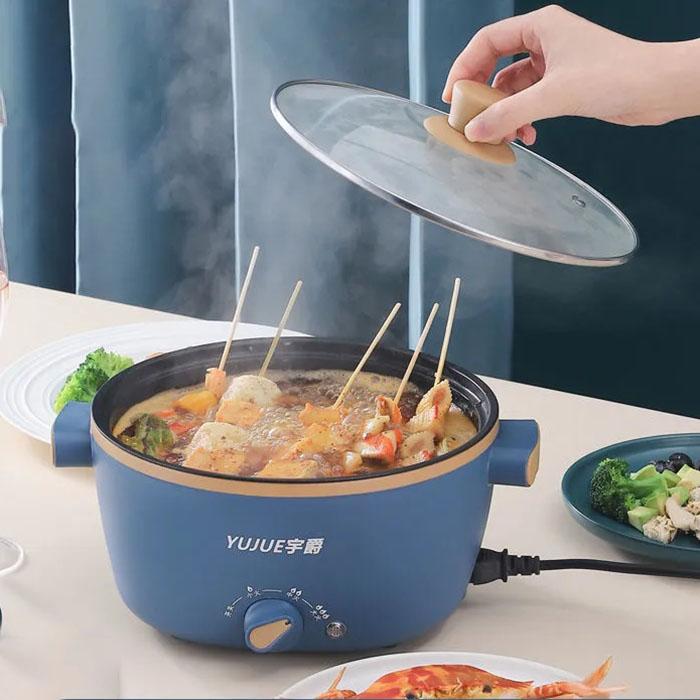
Getting the Most Out of Your Electric Skillet: A Quick Guide
Using an electric skillet is incredibly straightforward, but a few tips can elevate your cooking from good to great.
- Preheat Properly: Always allow your skillet to preheat fully before adding any food. Most temperature probes have an indicator light that turns off when the set temperature is reached. This is the key to a perfect sear and prevents food from sticking.
- Use the Right Oil: Just like with a regular pan, choose an oil with a suitable smoke point for your cooking temperature. For high-heat searing, use something like canola or avocado oil. For lower-temp cooking, olive oil or butter is fine.
- Don’t Overcrowd the Pan: This is a universal cooking rule, but it’s especially important here. Overcrowding lowers the temperature and causes food to steam instead of brown. Cook in batches if you have to!
- Master the “Warm” Setting: The “Warm” function is perfect for keeping food at a serving temperature, making the electric skillet an ideal buffet server for parties and gatherings.
As appliance engineer Eleanor Vance often notes, “The magic of the electric skillet lies in its thermostat. It removes the guesswork, giving you consistent results a traditional stovetop struggles to match. It’s precision cooking made simple.”
Pro Tips for Maintenance and Creative Uses
- Cleaning is Crucial: Never immerse the temperature probe or the entire skillet in water unless it’s explicitly rated as fully immersible. Most models allow you to detach the probe, and the pan itself can then be washed by hand or in the dishwasher.
- Protect the Surface: Avoid using metal utensils that can scratch the non-stick coating. Stick to wood, silicone, or nylon tools.
- Think Outside the Kitchen: Because it’s portable, an electric skillet is a fantastic tool for dorm rooms, RVs, office kitchens, or even on a covered patio for a cookout.
- Use it as a Mini-Oven: With the lid on, the trapped heat can perform baking-like functions for certain recipes, which we’ll get to shortly.
|
Our Picks for the Best Electric Skillet in 2026
As an Amazon Associate, we earn from qualifying purchases.
|
||
| Num | Product | Action |
|---|---|---|
| 1 | BLACK+DECKER Electric Skillet, Variable Temperature Control, Nonstick Cooking Surface, Dishwasher Safe, Tempered Glass Lid, 12\"x15\" |

|
| 2 | Presto 06852 16-Inch Electric Skillet with Glass Cover |
|
| 3 | Presto 06857 16-inch Electric Foldaway Skillet, Black |
|
| 4 | Crux Extra Deep Nonstick Scratch Resistant Electric Skillet with Removeable Temperature Probe, 12\" x 12\", silver (14620) |
|
| 5 | Elite Gourmet EG-6203# Extra Deep 16\"x13\"x3.2\" (10.5Qt.) Scratch Resistant, Easy Pour Spout Dishwasher Safe, Non-stick Electric Skillet with Glass Vented Lid, Adjustable Temperature, Black |
|
| 6 | Elite Gourmet 12\" x 12\" x 3” Ceralast™ Ceramic Non-stick PFAS Free, Dishwasher Safe Electric Skillet, Xtra Deep Dish, Rapid Heat 1200W, Black |
|
| 7 | Chefman XL Electric Griddle with Removable Temperature Control, Immersible Flat Top Grill, Burger, Eggs, Pancake Griddle, Nonstick Extra Large Cooking Surface, Slide Out Drip Tray, 10 x 20 Inch |
|
| 8 | Presto 07117 12\" Electric Skillet with glass cover |
|
| 9 | Elite Gourmet EG808 8” x 8\" Non-stick Electric Skillet, Dishwasher Safe with Tempered Glass Vented Lid, Rapid Heat Up, 600W, Black |
|
| 10 | bella Make & Take Electric Skillet, Fits-anywhere™ kitchenware, EverGood™ Ceramic Coating, Adjustable Temperature & Dishwasher-Safe Tempered Glass Lid, Cast Aluminum Base, 1200 Watt, Surf |
|
Why Should an Electric Skillet Earn a Spot in Your Kitchen?
Still on the fence? An electric skillet is a versatile countertop appliance that offers precise temperature control and even heating, making it perfect for a wide range of cooking methods from frying and searing to simmering and even baking. It’s a fantastic secondary cooking device during holidays, a portable solution for cooking away from home, and an energy-efficient alternative to turning on your full-sized oven for smaller meals.
So, Really, What Can You Cook in an Electric Skillet?
Alright, let’s get to the main event. The list of what can you cook in an electric skillet is practically endless, but here are some of my absolute favorite ways to put this appliance to work.
The Breakfast Champion
Forget juggling multiple pans on the stove. The large, flat surface of an electric skillet is a breakfast-making machine.
- Perfect Pancakes and French Toast: The even heating means you get beautifully golden-brown results from edge to edge, every single time. You can often cook a whole batch at once.
- Bacon and Sausage: Set the temperature and walk away. You’ll get perfectly rendered bacon and evenly cooked sausage links without the splattering mess of a stovetop pan.
- Scrambled Eggs and Omelets: The consistent, low heat is ideal for fluffy scrambled eggs or a perfectly set omelet for a crowd.
Lunch and Dinner Powerhouse
This is where the skillet truly shines, proving it’s more than just a one-trick pony.
- Searing and Pan-Frying: From pork chops to steaks and chicken thighs, the high-heat capability gives you a fantastic crust.
- Stir-Fries: The high sides keep all your veggies and protein contained, while the large surface area ensures everything cooks quickly and evenly.
- One-Pot Pasta Dishes: You can brown your meat, sauté your aromatics, and simmer your sauce all in the same pan. Some recipes even allow you to cook the pasta right in the sauce.
- Tacos and Fajitas: Cook your ground beef or sizzle your strips of chicken and peppers to perfection. Then, turn the heat to “Warm” and use the skillet as a serving dish.
The Surprising Baker and Dessert Maker
Yes, you read that right. Your electric skillet can handle desserts and baked goods.
- Skillet Cookies and Brownies: Prepare your favorite cookie or brownie batter, spread it in the greased skillet, cover, and cook on low heat. The result is a giant, gooey, and delicious treat.
- Cinnamon Rolls: Place refrigerated cinnamon rolls in the skillet, cover, and let the gentle heat bake them into fluffy perfection.
- Sautéed or Caramelized Fruit: Apples, peaches, or bananas cooked with a little butter and brown sugar make a simple and elegant dessert to serve over ice cream.
Deep Frying Without the Mess
The precise temperature control makes an electric skillet one of the safest and easiest ways to deep fry at home.
- Fried Chicken: Maintaining the oil at a perfect 350°F is the secret to crispy, juicy fried chicken, and an electric skillet does it effortlessly.
- Donuts and Fritters: Get consistent, golden results for your favorite fried dough treats.
- French Fries and Onion Rings: No deep fryer? No problem.
The Slow Cooker’s Cousin
While it’s not a dedicated slow cooker, the electric skillet is fantastic for braising and simmering.
- Braised Meats: Sear your pot roast or short ribs on high heat, then add your liquid, turn the temperature down to a gentle simmer, cover, and let it go for hours.
- Soups and Stews: Its large capacity makes it perfect for a hearty chili or beef stew.
Frequently Asked Questions (FAQ)
Q: Can I really deep fry in my electric skillet?
A: Absolutely. In fact, it’s one of the best tools for the job. Just ensure you use a model with high sides and never fill it more than halfway with oil. The key is the skillet’s ability to maintain a constant oil temperature, which prevents greasy, soggy food.
Q: Is an electric skillet better than a regular frying pan?
A: It’s not necessarily “better,” but it offers different advantages. Its main strengths are precise temperature control, even heating without hot spots, and portability. For tasks that require consistent heat over a long period, like frying or simmering, it often outperforms a stovetop pan.
Q: Can you actually bake a cake in an electric skillet?
A: Yes, you can! You’ll need a recipe specifically designed for skillet baking. The process involves cooking on very low heat with the lid on to trap the hot air, which bakes the cake from all sides. It’s a great trick if your oven is occupied or out of commission.
Q: How do I clean a really dirty electric skillet?
A: First, make sure the probe is unplugged and the skillet is cool. For stuck-on food, fill the pan with water (below the probe connection) and a drop of dish soap. Set it to a low simmer for a few minutes. This will loosen the grime, making it easy to wipe away with a non-abrasive sponge.
Q: Can I use metal utensils on my non-stick electric skillet?
A: It’s highly recommended that you don’t. Metal utensils will scratch and damage the non-stick coating over time, reducing its effectiveness and lifespan. Always opt for silicone, nylon, or wooden tools to keep your skillet in top condition.
Your Kitchen’s New Most Valuable Player
As you can see, the electric skillet is far more than a relic from a bygone era. It’s a powerful, adaptable, and incredibly convenient tool that can handle almost any cooking task you throw at it. From a quick weekday stir-fry to a slow-braised weekend feast, it delivers consistent, delicious results. So, go ahead and dust off that appliance. Once you realize its true potential, you’ll never again have to wonder what can you cook in an electric skillet. Now, I’d love to hear from you—what’s the most surprising or delicious thing you’ve ever made in yours?