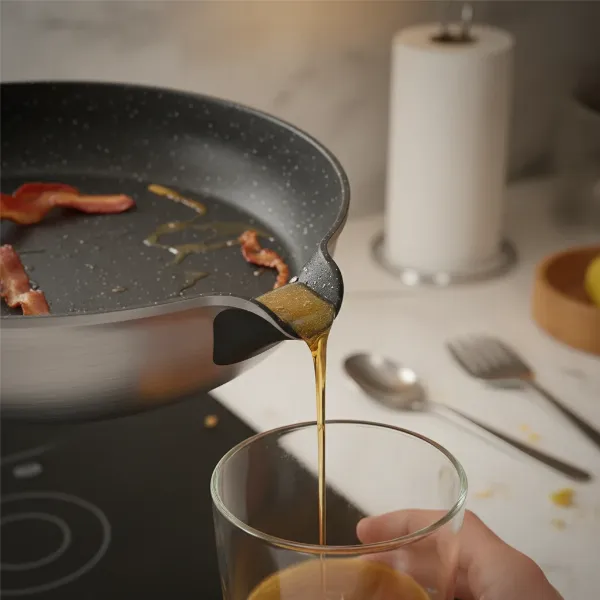
Bringing a delicious dish to a potluck is a culinary joy, but the thought of transporting a hot, filled electric skillet can stir up anxiety. Will it spill? Will the food stay warm? Will it arrive in one piece? Navigating these challenges requires a strategic approach, ensuring your culinary creation arrives safely and ready to impress. This guide will equip you with all the knowledge and practical tips to confidently transport your electric skillet to any potluck, keeping your food perfect and your journey stress-free.
What is an Electric Skillet?
An electric skillet is a versatile countertop appliance, essentially a frying pan with its own built-in heating element and temperature controls. Unlike traditional stovetop skillets, it doesn’t require a burner, offering consistent, even heat across its entire cooking surface. This autonomy makes electric skillets incredibly convenient for cooking in kitchens with limited stovetop space, or even in places without a traditional kitchen, like dorm rooms or RVs.
The utility of electric skillets extends far beyond basic frying. They are excellent for simmering, braising, roasting, and even baking. Many models come with a lid, transforming them into a mini oven or slow cooker. Their precise temperature control is a major advantage, preventing scorching and allowing for delicate cooking tasks. The history of electric skillets dates back to the mid-20th century, emerging as a staple in many American homes for their convenience and ability to handle a wide range of dishes, from a Sunday roast to a batch of pancakes.
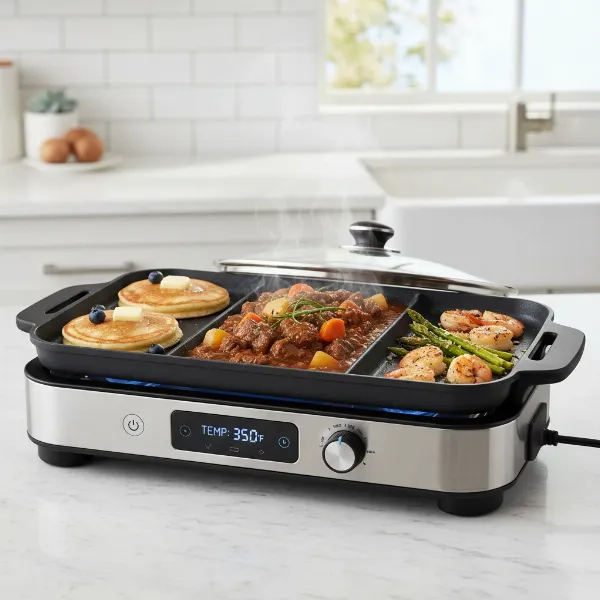 A versatile electric skillet cooking different types of food on a kitchen counter.
Advantages and Disadvantages of an Electric Skillet
Electric skillets offer a unique blend of benefits and drawbacks, making them suitable for some cooks and less ideal for others. Understanding these can help you decide if it’s the right appliance for your needs, and particularly for potluck transport.
Advantages
- Flexibility and Convenience: Electric skillets are incredibly portable, requiring only an electrical outlet. This means you can cook virtually anywhere—from your kitchen counter to a buffet line at a party, or even outdoors if a power source is available. Their self-contained heating means no more juggling pots and pans for stovetop space.
- Precise Temperature Control: Most electric skillets feature adjustable thermostats, allowing you to set and maintain exact temperatures. This precision is crucial for delicate dishes that require consistent heat, and it helps prevent burning or undercooking. You can dial in the perfect heat for searing steaks or gently warming sauces.
- Space-Saving Design: For those with compact kitchens or limited storage, an electric skillet can often serve multiple functions, potentially replacing several different pots or pans. Many models are designed to be relatively slim, making storage straightforward.
- Easy to Clean: Many modern electric skillets boast non-stick coatings, making cleanup a breeze. Often, the cooking surface is submersible once the heating element and temperature probe are removed, or the entire unit can be wiped clean with ease, saving precious time after a meal or a potluck.
|
Our Picks for the Best Electric skillet in 2026
As an Amazon Associate I earn from qualifying purchases.
|
||
| Num | Product | Action |
|---|---|---|
| 1 | Nuwave Medley XL Digital Electric Skillet, Family Size Griddle w/Glass Lid, 2025 New & Improved Precision Heating, 100°-425°F, PFAS Free G11 Nonstick Ceramic Coating, Portable Hot Plate, 7qt Capacity |

|
| 2 | Elite Gourmet EG808 8” x 8" Non-stick Electric Skillet, Dishwasher Safe with Tempered Glass Vented Lid, Rapid Heat Up, 600W, Black |
|
| 3 | Pioneer Woman 3.5L Electric Skillet, Linen Speckle |
|
| 4 | bella Make & Take Electric Skillet, Fits-anywhere™ kitchenware, EverGood™ Ceramic Coating, Adjustable Temperature & Dishwasher-Safe Tempered Glass Lid, Cast Aluminum Base, 1200 Watt, Oatmilk |
|
| 5 | Elite Gourmet EG-6203# Extra Deep 16"x13"x3.2" (10.5Qt.) Scratch Resistant, Easy Pour Spout Dishwasher Safe, Non-stick Electric Skillet with Glass Vented Lid, Adjustable Temperature, Black |
|
| 6 | Presto 06857 16-inch Electric Foldaway Skillet, Black |
|
| 7 | Blue Diamond 7QT 5-in-1 Extra Large Electric Skillet, Healthy Ceramic Nonstick Interior, Non-Toxic PFAS-Free, Temperature Control, Stay Cool Handles, Easy Clean, Graphite |
|
| 8 | Elite Gourmet EG6201 Extra Deep 12"x12"x3.2" (7.5Qt.) Scratch Resistant Dishwasher Safe, Non-stick Electric Skillet with Glass Vented Lid, Adjustable Temperature, Black |
|
| 9 | FOHERE 16-Inch Electric Skillet with Glass Cover, 1500W Rapid Heat, Adjustable Temperature, Multi-Purpose Electric Skillet Fried Chicken, Perfect For Family Gathering Cooking |
|
| 10 | Elite Gourmet 12"x12"x2.15” Ceralast™ PFAS Free Ceramic Electric Skillet, Dishwasher Safe, Rapid Heat Up, 1200W, Dark Grey |
|
Disadvantages
- Limited Mobility (When Hot/Full): While the skillet itself is portable, moving it when it’s hot and full of food presents a challenge. The weight of the food, combined with the hot surface and the need to prevent spills, makes careful handling essential. This is precisely why proper transport strategies are so important for potlucks.
- Requires Power Source: The biggest limitation is its reliance on electricity. Unlike traditional cookware, an electric skillet is useless without an outlet, which can be an issue during power outages or in locations without accessible power. For potlucks, this means needing to consider if a warming station will be available upon arrival.
- Not Suitable for All Cooking Methods: While versatile, an electric skillet cannot perform every cooking task. It’s not ideal for high-heat wok-style stir-frying that requires constant tossing, or for deep-frying large quantities of food due to potential splattering and oil capacity limitations.
- Storage Considerations: Although some models are compact, larger electric skillets can still take up significant cupboard space when not in use. Their unique shape can sometimes make them awkward to store compared to stackable pots and pans.
Popular Electric Skillet Types on the Market
Electric skillets come in various forms, each offering different advantages depending on your cooking style and the dishes you typically prepare. Understanding these types can help you choose the best model not just for cooking, but also for transporting your potluck masterpiece.
Classification by Shape
- Round Skillets: These are the most common shape, mimicking traditional frying pans. They are excellent for dishes that benefit from even heat distribution, like pancakes, fried chicken, or simmering stews. Their circular design often makes them easier to handle and store.
- Square Skillets: Offering more usable cooking surface area than a round skillet of similar overall dimensions, square electric skillets are ideal for cooking larger quantities or for recipes that benefit from straight edges, such as frittatas, casseroles, or multiple grilled sandwiches.
- Rectangular Skillets: Often larger than their round or square counterparts, rectangular skillets are perfect for feeding a crowd. They excel at cooking long items like fish fillets or multiple pieces of chicken, and are superb for sheet pan-style meals or keeping several components warm at once.
Classification by Material
- Non-Stick Skillets: The vast majority of electric skillets feature a non-stick coating, usually Teflon or ceramic. This material prevents food from sticking, requires less oil, and simplifies cleanup, making them a favorite for everyday use and easy potluck preparation.
- Cast Iron Skillets: While less common for standalone electric skillets, some models incorporate cast iron for exceptional heat retention and durability. Cast iron skillets are prized for their ability to achieve a beautiful sear and maintain stable temperatures, though they are significantly heavier and require specific care.
- Stainless Steel Skillets: Similar to cast iron, all-stainless steel electric skillets are less prevalent. When present, they offer robust construction and even heating, often without any non-stick coating, making them durable but potentially more challenging for food release.
Classification by Features
- Skillets with Glass Lids: A transparent glass lid is a highly desirable feature, allowing you to monitor your food’s progress without lifting the lid and losing heat. This is especially useful for dishes that simmer or braise, ensuring consistent cooking and preventing boil-overs.
- Skillets with Detachable Temperature Controls: Most electric skillets come with a removable temperature probe and cord. This design allows the skillet portion to be fully immersed in water for easy washing, enhancing convenience and hygiene. It also makes the skillet more compact for storage and transport.
- Skillets with Timer Functions: Some advanced electric skillets include integrated timers, allowing for precise cooking times. This feature adds another layer of convenience, preventing overcooking and ensuring your dish is ready exactly when you need it.
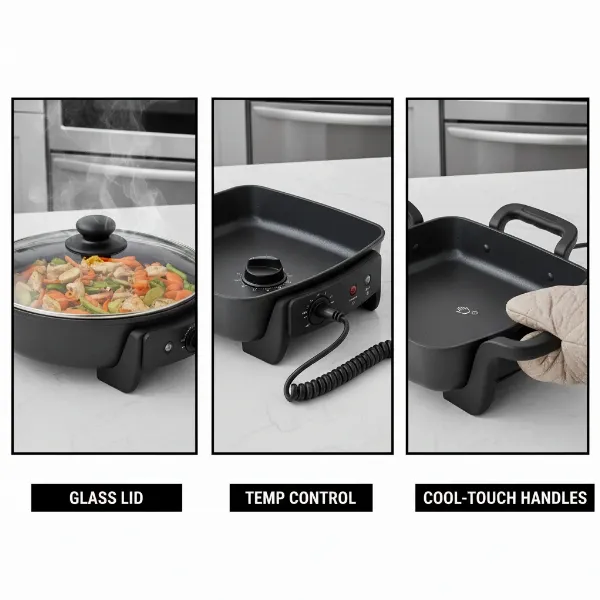 Various types of electric skillets showcasing different features like glass lids and detachable controls.
Comparing Popular Electric Skillet Brands
When choosing an electric skillet, several brands consistently stand out for their quality, features, and user satisfaction. Here’s a comparison of some well-known names to help you make an informed decision:
| Brand | Price Range | Key Quality | Notable Features | Durability | Best For |
|---|---|---|---|---|---|
| Zojirushi | High | Premium | Superior non-stick, precise temp. control, large | Excellent | Serious cooks, larger families, precise jobs |
| Presto | Mid | Reliable | DuraRock non-stick, pour spout, easy-clean | Very Good | Everyday cooking, value, ease of use |
| Proctor Silex | Low | Budget-friendly | Basic functionality, compact sizes | Good | Students, small households, basic needs |
| Cuisinart | Mid-High | Innovation | Stylish designs, large capacity, even heating | Very Good | Entertaining, modern kitchens |
| Elite Gourmet | Low-Mid | Versatility | Compact travel models, cool-touch handles | Good | Travel, small meals, budget-conscious |
- Zojirushi: Known for its high-quality Japanese engineering, Zojirushi electric skillets often feature advanced non-stick coatings, exceptional temperature accuracy, and a robust build. They tend to be on the higher end of the price spectrum but offer premium performance and durability.
- Presto: A long-standing name in kitchen appliances, Presto offers a range of reliable and affordable electric skillets. Their models are often praised for their durable non-stick surfaces, convenient pour spouts, and ease of cleaning. They strike a great balance between quality and value.
- Proctor Silex: For those on a tighter budget, Proctor Silex provides basic yet functional electric skillets. While they may lack some advanced features, they are a practical choice for simple cooking tasks and small households.
- Cuisinart: Cuisinart brings a touch of modern design and innovative features to its electric skillet line. Their models often boast larger capacities, attractive finishes, and powerful heating elements, making them suitable for entertaining.
- Elite Gourmet: Elite Gourmet focuses on providing versatile and often compact options, including travel-friendly electric skillets. They are a good choice for smaller meals, single servings, or for those who need a portable cooking solution with cool-touch handles for safe handling.
Guide to Choosing the Right Electric Skillet for Potlucks
Selecting the ideal electric skillet involves more than just picking a brand. For potluck enthusiasts, specific features and considerations can make a significant difference in your cooking and transport experience.
Determine Your Usage Needs
Before anything else, consider what you’ll primarily use your electric skillet for. Are you making a large casserole, a simmering chili, or a batch of fried chicken? The type of food dictates the size, shape, and features you’ll prioritize. For frequent potluck contributions, you might lean towards a larger capacity skillet designed for serving.
Consider Size and Capacity
The size of your electric skillet directly impacts its portability and the amount of food it can hold. Common sizes range from 8-inch compact models to large 16-inch rectangular units. For potlucks, a 12-inch to 16-inch skillet is often ideal, providing ample space for a shareable dish. Think about both the interior cooking area and the overall footprint for transport and counter space.
Choose the Appropriate Material
The cooking surface material affects both performance and care. Most electric skillets are non-stick, which is excellent for easy food release and cleanup—a huge plus when you’re cleaning up after a potluck. If durability and heat retention are paramount, and you don’t mind the extra weight and specific care, a cast iron option might appeal to you.
Check for Essential Features
- Lid: A well-fitting lid is crucial for keeping food warm and preventing spills during transport. Tempered glass lids are a bonus, allowing you to peek without heat loss.
- Detachable Control Probe: This feature is invaluable for cleaning and for making the skillet safer to transport once unplugged, as the hot element is separated.
- Cool-Touch Handles: For easy and safe handling, especially when moving a hot skillet, cool-touch handles are a must-have safety feature.
- Pour Spout: A small spout can be surprisingly useful for draining excess liquids or serving sauces without making a mess.
Research Brands and Reviews
Don’t just rely on brand recognition; delve into user reviews and expert opinions. Look for feedback on heat distribution, durability of the non-stick coating, ease of cleaning, and how well the skillet performs over time. Websites like electricskilletguide.com offer detailed insights from experienced users and technicians, helping you make an informed decision.
Compare Prices
Electric skillets are available at a wide range of price points. While it’s tempting to opt for the cheapest model, remember that quality and durability often correlate with cost. Consider your budget, but also weigh it against the features and expected lifespan of the appliance. Sometimes, investing a little more upfront can save you headaches and replacement costs down the line.
Tips for Using and Maintaining Your Electric Skillet
Maximizing the life and performance of your electric skillet involves proper usage and diligent care. These simple steps ensure your appliance remains a reliable kitchen workhorse, ready for every potluck and everyday meal.
Usage Tips
- First-Time Use: Before its inaugural use, always wash your electric skillet thoroughly with warm, soapy water, rinse, and dry completely. This removes any manufacturing residues. Some manufacturers recommend a “seasoning” process by wiping the surface with a small amount of cooking oil, heating it briefly, then wiping clean. Always refer to your specific model’s manual.
- Adjusting Temperature: Electric skillets offer precise temperature control. Start with a lower setting and gradually increase it as needed, especially if you’re unfamiliar with the appliance. Overheating can damage the non-stick coating and burn food. For best results, allow the skillet to preheat for a few minutes before adding ingredients.
- Using Appropriate Utensils: To protect the non-stick surface, always use wooden, silicone, or heat-resistant plastic utensils. Metal utensils can scratch and compromise the coating, leading to food sticking and reducing the skillet’s lifespan.
Cleaning and Storage Tips
- Clean After Each Use: Allow the skillet to cool completely before cleaning. Once cool, remove the temperature control probe and wash the skillet body. For non-stick surfaces, warm, soapy water and a soft sponge are usually sufficient. Avoid abrasive scrubbers or harsh detergents that can damage the finish. If your skillet is submersible, you can wash it in the sink, but never submerge the electrical components.
- Proper Storage: Ensure the skillet is completely dry before storing to prevent water spots or mildew. Store it in a cabinet where it won’t be scratched or jostled by other cookware. If stacking, place a soft cloth or paper towel between the skillet and other items to protect the cooking surface. Storing the detachable temperature control probe separately can also help prevent damage to the electrical pins.
How to Transport an Electric Skillet to a Potluck
Transporting an electric skillet, especially with food, requires careful planning to prevent spills, maintain temperature, and ensure safe arrival.
Preparing the Skillet and Food
- Cool Slightly (if hot): If your dish is piping hot, let it cool for about 10-15 minutes before securing the lid tightly. This prevents excessive steam buildup, which can lead to condensation and a soggy dish.
- Secure the Lid: A tight-fitting lid is your best friend. For added security, use heavy-duty aluminum foil over the lid, or strong rubber bands wrapped around the handles and lid to create a seal. Some electric skillets come with locking lids, which are ideal for transport.
- Remove Power Cord: Always detach the power cord and temperature control probe from the skillet before transport. Wrap the cord separately and pack it with your serving utensils.
Packing for the Journey
- Choose the Right Carrier:
- Insulated Casserole Carrier: These are designed to keep food warm and offer some protection. Look for ones with sturdy handles.
- Sturdy Cardboard Box or Collapsible Crate: Line the bottom with a towel or a piece of grippy shelf liner to prevent sliding. The box should be just large enough to fit the skillet snugly.
- Cooler: For longer journeys or to maintain warmth for extended periods, a cooler is an excellent option. Place the skillet inside, surrounded by towels or blankets for insulation and to prevent movement.
- Insulation is Key:
- Towels and Blankets: Wrap the entire skillet, especially if it’s hot, in thick towels or a small blanket. This not only insulates the food but also provides cushioning against bumps.
- Heated Bricks (Optional): For very long distances or if you need to keep food hot for hours, wrap a few heated bricks (heated in an oven) in foil and place them at the bottom of a cooler before adding the towel-wrapped skillet. Exercise extreme caution with hot items.
- Preventing Spills and Movement:
- Padding: Use extra towels, crumpled newspaper, or even old clothes to fill any gaps around the skillet in its carrier. The less it moves, the less chance of spillage.
- Grippy Liner: Placing a non-slip shelf liner under the skillet in your car’s trunk or on the floor can prevent it from sliding during turns or stops.
- Flat Surface: Always transport the skillet on a flat, stable surface in your vehicle, such as the floor behind the passenger seat or the trunk. Avoid placing it on seats where it might tilt.
Arriving at the Potluck
- Unpack Carefully: Once you arrive, carefully remove the skillet from its carrier. Be mindful of any lingering heat.
- Reheat or Keep Warm: If your potluck destination has an available outlet, you can plug in your electric skillet to keep the food warm or gently reheat it. This is one of the distinct advantages of bringing an electric skillet.
- Serving Utensils: Don’t forget your serving spoons, spatulas, or tongs! It’s easy to overlook these in the rush of transport.
Conclusion
Transporting an electric skillet to a potluck doesn’t have to be a daunting task. By carefully preparing your dish, securing the lid, choosing the right carrier, and insulating effectively, you can ensure your culinary contribution arrives safely, spill-free, and at the perfect temperature. The electric skillet, with its inherent versatility and precise temperature control, is an ideal tool for creating delicious potluck dishes. Remember to consider factors like size, material, and essential features when choosing your skillet, and practice proper usage and maintenance for lasting performance.
With these tips in mind, you’re not just bringing a dish; you’re bringing confidence and a hassle-free potluck experience.
Frequently Asked Questions
Can an electric skillet go in a car without a special container?
Yes, an electric skillet can go in a car without a specialized container, but it’s recommended to secure it in a sturdy cardboard box or a laundry basket lined with towels to prevent spills and provide insulation during the journey.
How do I keep food warm in an electric skillet during transport?
To keep food warm, insulate the skillet by wrapping it in thick towels or a blanket and placing it in a cooler or an insulated food carrier. For longer trips, pre-heating the cooler with hot water or using heated bricks can help maintain temperature.
Is it safe to transport a hot electric skillet with food inside?
It is generally safe, but always ensure the lid is tightly secured, and the power cord is detached. Pad the skillet with towels to prevent movement and place it on a flat, stable surface in your vehicle to avoid spills and damage.
What should I do if my electric skillet doesn’t have a locking lid for transport?
If your electric skillet lacks a locking lid, you can use heavy-duty aluminum foil to create a tight seal over the lid. Alternatively, strong rubber bands stretched around the handles and over the lid can help secure it.
Can I reheat food in my electric skillet once I arrive at the potluck?
Yes, one of the benefits of an Electric Skillet is its ability to plug in and reheat or keep food warm at your destination, provided there is an available electrical outlet. This ensures your dish is served at its best.