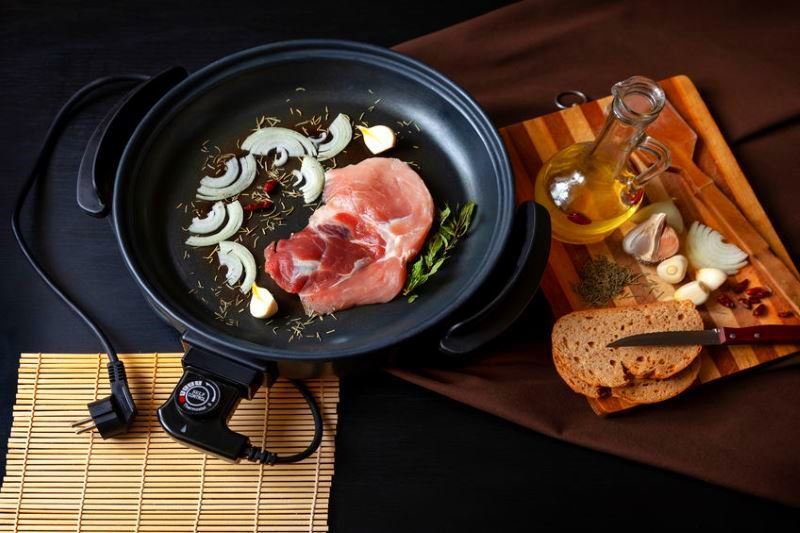
 Welcome, fellow kitchen adventurer! Let’s talk about something that sounds incredibly simple but can so easily go wrong: steaming vegetables. We’ve all been there—aiming for crisp, vibrant, nutrient-packed veggies and ending up with a sad, soggy, colorless mush. But what if I told you the secret weapon for perfect results was already sitting on your counter? Today, we’re diving into How To Steam Vegetables using what I consider the unsung hero of the kitchen: the electric skillet. Forget pulling out extra pots and special steamer inserts; your trusty skillet is more than up for the job.
The beauty of using an electric skillet for steaming lies in its precision. The ability to set and maintain a specific, gentle temperature is a game-changer. It gives you unparalleled control, turning a culinary guessing game into a foolproof technique. So, let’s unlock another one of your skillet’s hidden talents and make “sad veggies” a thing of the past.
Why is an Electric Skillet a Steaming Superstar?
You might be wondering, “Why not just use a pot on the stove?” That’s a fair question! But an electric skillet brings some unique advantages to the table that make it surprisingly perfect for the job.
- Unbeatable Temperature Control: This is the big one. An electric skillet’s thermostat allows you to dial in the exact temperature for a gentle, consistent simmer—the key to perfect steaming. No more frantically adjusting the burner because the water is boiling too aggressively or not at all.
- Spacious, Even Surface: Unlike a deep pot that crowds vegetables, the wide, flat surface of an electric skillet lets you spread them out in a single layer. This ensures that every single floret of broccoli and every carrot slice is cooked evenly by the circulating steam.
- The Vented Lid: Most electric skillets come with a high-domed, vented lid. This design is perfect for steaming. It traps enough moisture to cook the vegetables while allowing just enough steam to escape through the vent, preventing the condensation that leads to sogginess.
- Efficiency and Convenience: It’s an all-in-one appliance. You can steam your veggies and, if you want, give them a quick saute with some garlic and oil right after, all in the same pan. Plus, it frees up a burner on your stovetop, which is a lifesaver during big meal preps.
Your Steaming Toolkit: What You’ll Need
The best part about this method is its simplicity. You don’t need a lot of fancy gear. Here’s your short and sweet checklist:
- An Electric Skillet: The star of the show. If you’re in the market for a new one, we’ve reviewed the top models here.
- A Steaming Rack or Basket: You need something to elevate the vegetables above the water. A simple, collapsible metal steamer basket works wonderfully. In a pinch, a few heat-safe cookie cutters or even three tightly rolled balls of aluminum foil will do the trick to create a makeshift rack.
- Water: Just plain old tap water.
- Your Vegetables: Fresh, crisp, and ready for their steamy spa treatment.
The Ultimate Guide: How to Steam Vegetables Step-by-Step
Ready to get started? This process is so simple, you’ll have it memorized after the first try.
- Prep Your Veggies: Wash and chop your vegetables into uniform, bite-sized pieces. Consistency is key here. If your broccoli florets are massive and your carrot slices are paper-thin, they won’t cook at the same rate. Aim for similar sizes across the board.
- Add Water: Pour about half an inch to an inch of water into the bottom of your cold electric skillet. You want enough water to create steam for 10-15 minutes without boiling dry, but not so much that it touches the vegetables.
- Position Your Rack: Place your steamer rack or basket inside the skillet. The water level should be just below the bottom of the rack.
- Set the Temperature: Place the lid on the skillet, plug it in, and set the temperature to a medium-low setting, around 225-250°F (107-121°C). You’re aiming for a gentle, steady simmer, not a raging boil. Let the water come up to temperature.
- Add the Vegetables: Once you see steam forming and hear a gentle bubbling, carefully remove the lid (away from your face!) and arrange your vegetables in a single layer on the rack. Try not to overcrowd the skillet.
- Cover and Steam: Immediately replace the lid to trap the steam. Now, let the magic happen! The cooking time will vary depending on the vegetable.
- Check for Doneness: Start checking a minute or two before the estimated time is up. Carefully lift the lid and pierce a vegetable with a fork. It should be “tender-crisp”—meaning the fork goes in with a little resistance, but the vegetable is no longer raw. It should still have a vibrant color and a slight bite.
- Serve Immediately: Once they’re done, use tongs to remove the vegetables from the skillet. Season them with salt, pepper, a squeeze of lemon, or your favorite herbs, and serve right away for the best texture and flavor.
|
Our Picks for the Best Electric Skillet in 2026
As an Amazon Associate, we earn from qualifying purchases.
|
||
| Num | Product | Action |
|---|---|---|
| 1 | Elite Gourmet 12\" x 12\" x 3” Ceralast™ Ceramic Non-stick PFAS Free, Dishwasher Safe Electric Skillet, Xtra Deep Dish, Rapid Heat 1200W, Black |

|
| 2 | Elite Gourmet EG-6203# Extra Deep 16\"x13\"x3.2\" (10.5Qt.) Scratch Resistant, Easy Pour Spout Dishwasher Safe, Non-stick Electric Skillet with Glass Vented Lid, Adjustable Temperature, Black |
|
| 3 | Chefman XL Electric Griddle with Removable Temperature Control, Immersible Flat Top Grill, Burger, Eggs, Pancake Griddle, Nonstick Extra Large Cooking Surface, Slide Out Drip Tray, 10 x 20 Inch |
|
| 4 | Presto 06857 16-inch Electric Foldaway Skillet, Black |
|
| 5 | bella Make & Take Electric Skillet, Fits-anywhere™ kitchenware, EverGood™ Ceramic Coating, Adjustable Temperature & Dishwasher-Safe Tempered Glass Lid, Cast Aluminum Base, 1200 Watt, Surf |
|
| 6 | Crux Extra Deep Nonstick Scratch Resistant Electric Skillet with Removeable Temperature Probe, 12\" x 12\", silver (14620) |
|
| 7 | Presto 06852 16-Inch Electric Skillet with Glass Cover |
|
| 8 | Presto 07117 12\" Electric Skillet with glass cover |
|
| 9 | Elite Gourmet EG808 8” x 8\" Non-stick Electric Skillet, Dishwasher Safe with Tempered Glass Vented Lid, Rapid Heat Up, 600W, Black |
|
| 10 | BLACK+DECKER Electric Skillet, Variable Temperature Control, Nonstick Cooking Surface, Dishwasher Safe, Tempered Glass Lid, 12\"x15\" |
|
Expert Tip: According to culinary equipment expert, Amelia Vance, “The biggest mistake people make when steaming is overcooking. The residual heat will continue to cook the vegetables for a minute after you remove them from the heat. Always aim to pull them when they are just slightly less done than you prefer.”
Pro Tips for Next-Level Steamed Veggies
You’ve mastered the basics. Now, let’s elevate your steaming game from good to unforgettable.
- Don’t Salt the Water: It might seem counterintuitive, but salting the steaming water doesn’t really season the vegetables. It can also, in some cases, draw out moisture. It’s far more effective to season your veggies after they are cooked, just before serving.
- The Staggered Approach: Not all vegetables cook at the same rate. If you’re steaming a mix, like dense carrots and delicate broccoli, add the heartier vegetables first. Let the carrots steam for 3-4 minutes before adding the broccoli florets to the skillet for the final 4-5 minutes.
- Flavor-Infused Steam: Want to add a subtle layer of flavor? Toss a few smashed garlic cloves, some lemon slices, or a sprig of fresh rosemary or thyme into the water. The aromatic steam will gently perfume your vegetables as they cook.
- Embrace the Blanch and Shock: For extra vibrant green vegetables (like green beans, asparagus, or broccoli), have a bowl of ice water ready. As soon as the veggies are perfectly tender-crisp, transfer them directly into the ice bath for 30 seconds. This process, called “shocking,” stops the cooking process instantly and locks in that beautiful, bright green color.
What are the Best Vegetables for Steaming?
While you can steam almost any vegetable, some are particularly well-suited for this method. Here’s a quick guide with estimated cooking times. Remember, these are just estimates—always check for your preferred doneness!
| Vegetable | Prep | Est. Steaming Time |
|---|---|---|
| Broccoli | Cut into 1-inch florets | 5-7 minutes |
| Cauliflower | Cut into 1-inch florets | 6-8 minutes |
| Carrots | Sliced 1/4-inch thick | 7-10 minutes |
| Asparagus | Trimmed, whole spears | 4-6 minutes |
| Green Beans | Trimmed | 5-7 minutes |
| Zucchini | Sliced 1/2-inch thick | 4-6 minutes |
| Potatoes | Cubed into 1-inch pieces | 12-15 minutes |
| Leafy Greens | Whole (e.g., spinach) | 2-3 minutes |
Frequently Asked Questions (FAQ)
Q: Can I steam frozen vegetables in an electric skillet?
A: Absolutely! There’s no need to thaw them first. Just add the frozen vegetables directly to the steaming rack. They will likely need a few extra minutes of cooking time compared to their fresh counterparts.
Q: Do I absolutely need a steaming rack?
A: A rack is highly recommended to keep the vegetables from boiling in the water, which would make them soggy. However, if you’re in a pinch, you can create a makeshift stand with a few wadded-up balls of aluminum foil or heat-safe metal cookie cutters to elevate a plate holding the veggies.
Q: How do I prevent my vegetables from getting mushy?
A: The two keys are temperature control and timing. Use a gentle simmer (225-250°F), not a rolling boil. And most importantly, start checking for doneness early. It’s always better to take them out a minute too soon than a minute too late.
Q: Can I steam more than just vegetables?
A: Yes! Your electric skillet is a versatile steamer. You can use this same method to steam fish fillets (like salmon or cod), chicken breasts, dumplings, or even tamales. Just adjust the cooking time accordingly.
Q: My skillet lid doesn’t have a vent. Can I still use it?
A: You can. If your lid has no vent, you can leave it slightly ajar—just a tiny crack—to allow excess steam to escape. This will help prevent too much condensation from building up and dripping back onto your vegetables.
Your Skillet Awaits
And there you have it—a complete guide on how to steam vegetables using the quiet powerhouse of your kitchen. By harnessing the precise temperature control and large surface area of your electric skillet, you can consistently produce perfectly cooked, nutrient-rich, and delicious vegetables that will brighten up any meal. It’s a healthy, simple, and efficient technique that truly showcases the versatility of this amazing appliance.
So, go ahead and give it a try. I’d love to hear about your steaming successes! What are your favorite vegetables to steam in your electric skillet? Share your experiences in the comments below.