Hey there, fellow home cook! Welcome to the Electric Skillet Guide, your go-to spot for getting the most out of this amazing kitchen workhorse. Let’s talk about something that might have you scratching your head: learning How To Season A Cast Aluminum Skillet. You’ve probably heard a ton about seasoning cast iron, that revered, near-mythical process of creating a slick, black, non-stick surface. But cast aluminum? Is that even a thing?
The short answer is a resounding yes, and it’s a total game-changer. While the “why” is a little different from its cast iron cousin, the “how” is simple, and the results are spectacular. Forget about your eggs sticking or your pancakes tearing. We’re about to turn your cast aluminum skillet into a naturally non-stick superstar. So grab your skillet, and let’s dive in.
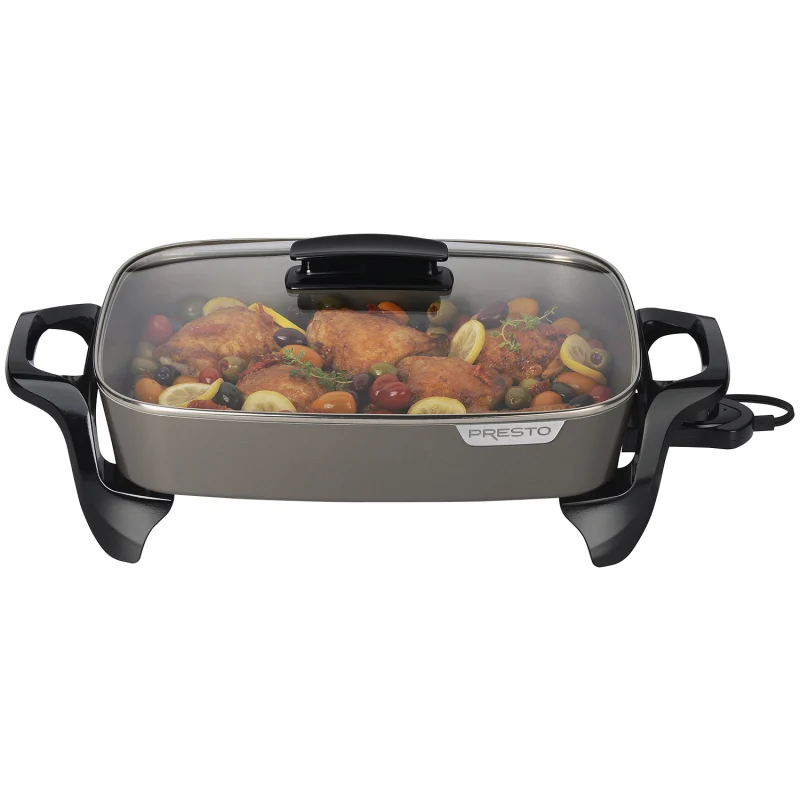
So, Why Bother Seasoning Cast Aluminum Anyway?
This is the big question, right? With cast iron, seasoning is primarily about rust prevention. Iron rusts, so a layer of polymerized oil creates a protective barrier. Cast aluminum, on the other hand, doesn’t rust. Instead, it forms a thin, hard layer of aluminum oxide that protects it from corrosion.
So, why season it? The goal here is singular and glorious: to create a fantastic, naturally non-stick surface.
When you heat oil on the surface of your skillet to a specific temperature, it undergoes a process called polymerization. The fat molecules bond with the metal, creating a hard, slick coating. Each time you do it, you add another micro-layer, making the surface smoother and more non-stick over time. It’s science you can cook with!
Expert Take: According to Dr. Amelia Vance, a materials scientist specializing in kitchenware, “Seasoning cast aluminum is less about preservation and more about performance. You are essentially creating a custom, high-performance cooking surface that is bonded directly to the metal. It’s a far more durable solution than many temporary non-stick sprays.”
Getting Started: Your Seasoning Toolkit
The good news is you don’t need any fancy equipment. You likely have everything you need in your kitchen right now.
- Your Cast Aluminum Skillet: Make sure it’s sparkling clean and bone-dry. Any leftover food bits or water will ruin the process.
- A High Smoke Point Oil: This is crucial. We’ll dive into the best oils in a moment.
- Lint-Free Cloths or Paper Towels: You’ll need one for applying the oil and another for wiping off the excess.
- An Oven or Your Stovetop: Both work, but the oven provides more even, consistent heat.
- Tongs (Optional but helpful): To handle the hot skillet safely.
The Step-by-Step Guide: How to Season a Cast Aluminum Skillet
Ready to create some kitchen magic? Follow these simple steps. Don’t rush it—patience is your best friend here.
- Start with a Clean Slate: Wash your skillet thoroughly with warm, soapy water. Unlike cast iron, a little soap here is perfectly fine. Use a non-abrasive sponge to scrub away any residue. The goal is to get down to the bare metal.
- Dry It Completely: This step is non-negotiable. Water is the enemy of a good seasoning layer. Dry the skillet with a towel, then place it on the stovetop over low heat for a few minutes to evaporate every last drop of moisture. Let it cool slightly so you can handle it.
- Apply a Thin Layer of Oil: Pour about a tablespoon of your chosen high-smoke-point oil into the skillet. Now, grab your lint-free cloth or paper towel and work that oil into every single nook and cranny of the skillet’s interior. You want to cover the entire cooking surface.
- Wipe It All Off: This sounds counterintuitive, but it’s the most important step. Take a clean, dry cloth or paper towel and wipe out the oil until the skillet looks dry. I mean it. It will feel like you’re removing everything you just applied. Trust me, you’re not. A microscopic layer remains, and that’s exactly what you want. Too much oil will result in a sticky, splotchy, and weak seasoning layer.
- Time for Some Heat: Now it’s time to polymerize that oil.
- Oven Method (Recommended): Preheat your oven to a temperature just above the smoke point of your oil (around 450-500°F or 230-260°C is a safe bet for most oils). Place the skillet upside down on the middle rack. Placing it upside down prevents any excess oil from pooling. Bake for one hour.
- Stovetop Method: If you’re using an electric skillet or don’t want to turn on the oven, you can do this on the stovetop. Heat the skillet over medium heat. You’ll want it to get hot enough for the oil to just start smoking lightly. Keep it at this temperature for about 15-20 minutes. This method is faster but can result in less even seasoning.
- Cool Down: Once the time is up, turn off the heat and let the skillet cool down completely in the oven or on the stovetop. This slow cooling process helps the seasoning layer cure properly.
- Repeat for Best Results: One layer is good, but two or three layers are fantastic. For a truly bulletproof non-stick surface, repeat steps 3 through 6 a few more times. Your skillet will start to develop a beautiful, semi-glossy patina.
|
Our Picks for the Best Electric Skillet in 2026
As an Amazon Associate, we earn from qualifying purchases.
|
||
| Num | Product | Action |
|---|---|---|
| 1 | Elite Gourmet EG-6203# Extra Deep 16\"x13\"x3.2\" (10.5Qt.) Scratch Resistant, Easy Pour Spout Dishwasher Safe, Non-stick Electric Skillet with Glass Vented Lid, Adjustable Temperature, Black |

|
| 2 | Presto 06852 16-Inch Electric Skillet with Glass Cover |
|
| 3 | Crux Extra Deep Nonstick Scratch Resistant Electric Skillet with Removeable Temperature Probe, 12\" x 12\", silver (14620) |
|
| 4 | bella Make & Take Electric Skillet, Fits-anywhere™ kitchenware, EverGood™ Ceramic Coating, Adjustable Temperature & Dishwasher-Safe Tempered Glass Lid, Cast Aluminum Base, 1200 Watt, Surf |
|
| 5 | Elite Gourmet 12\" x 12\" x 3” Ceralast™ Ceramic Non-stick PFAS Free, Dishwasher Safe Electric Skillet, Xtra Deep Dish, Rapid Heat 1200W, Black |
|
| 6 | Elite Gourmet EG808 8” x 8\" Non-stick Electric Skillet, Dishwasher Safe with Tempered Glass Vented Lid, Rapid Heat Up, 600W, Black |
|
| 7 | Presto 07117 12\" Electric Skillet with glass cover |
|
| 8 | BLACK+DECKER Electric Skillet, Variable Temperature Control, Nonstick Cooking Surface, Dishwasher Safe, Tempered Glass Lid, 12\"x15\" |
|
| 9 | Presto 06857 16-inch Electric Foldaway Skillet, Black |
|
| 10 | Chefman XL Electric Griddle with Removable Temperature Control, Immersible Flat Top Grill, Burger, Eggs, Pancake Griddle, Nonstick Extra Large Cooking Surface, Slide Out Drip Tray, 10 x 20 Inch |
|
What’s the Best Oil for Seasoning?
The key is to choose an oil with a high smoke point. This is the temperature at which the oil stops shimmering and starts smoking. You need an oil that can handle the heat without breaking down into a gummy mess.
Here are some top contenders:
- Grapeseed Oil: A popular choice for its very high smoke point and neutral flavor.
- Canola Oil: Inexpensive, accessible, and works great.
- Sunflower Oil: Another solid, high-heat option.
- Avocado Oil: A fantastic choice with one of the highest smoke points, though it can be pricier.
- Flaxseed Oil: Often hailed as the king of seasoning oils because it creates the hardest, most durable layer. However, it can be a bit finicky and prone to flaking if not done perfectly.
A word of caution: Avoid oils with low smoke points like extra virgin olive oil or butter for the initial seasoning process. They’ll just burn and create a mess.
Common Seasoning Mistakes to Sidestep
Learning how to season a cast aluminum skillet is easy, but a few common slip-ups can happen. Here’s what to watch out for:
- Using Too Much Oil: This is the #1 mistake. It leads to a sticky, uneven surface that will flake off. Remember: apply the oil, then wipe it off like you made a mistake.
- Not Getting the Skillet Hot Enough: If the heat is too low, the oil won’t polymerize. It will just sit on the surface as oil. You need to exceed the oil’s smoke point to trigger the chemical reaction.
- Using a Dirty Pan: Seasoning a pan with food residue is like painting over dirt. It won’t stick. Start with a perfectly clean surface.
- Not Repeating the Process: One and done is okay, but for that truly slick surface, you’ll want to build up a few layers.
Frequently Asked Questions (FAQ)
Q1: How is seasoning cast aluminum different from seasoning cast iron?
A1: The primary difference is the purpose. Seasoning cast iron creates a rust-proof barrier and a non-stick surface. Since cast aluminum doesn’t rust, the seasoning is purely for creating that coveted non-stick cooking performance. The application process is very similar.
Q2: How often do I need to re-season my cast aluminum skillet?
A2: It depends on usage. If you notice food starting to stick or the surface looks dull and dry, it’s time for a touch-up. A single maintenance layer (steps 3-6) is usually all it takes to bring it back to life. Cooking with acidic foods like tomatoes can also wear down the seasoning faster.
Q3: Can I use this method on a cast aluminum skillet with a factory non-stick coating?
A3: No, absolutely not. This method is only for bare, uncoated cast aluminum. Applying high heat to a traditional non-stick coating (like Teflon) can damage the coating and release harmful fumes.
Q4: My seasoning layer came out sticky. What did I do wrong?
A4: A sticky surface is almost always the result of using too much oil. The excess oil didn’t fully polymerize and instead turned into a soft, gummy residue. To fix it, you’ll need to scrub the sticky layer off with soap and water and start the seasoning process over, being extra careful to wipe out all the excess oil.
Q5: Can I wash my seasoned skillet with soap?
A5: Yes! This is another key difference from cast iron. A well-established seasoning on cast aluminum is a hard, polymerized layer, not just a film of oil. A little bit of mild dish soap and a soft sponge won’t harm it. Just be sure to avoid abrasive scrubbers or steel wool, which can strip it away.
The Final Word
There you have it. The mystery is solved! Now you know that the secret to unlocking the full potential of your favorite pan is mastering how to season a cast aluminum skillet. It’s a simple investment of time that pays off with every single meal, giving you a slick, reliable cooking surface that you created yourself.
It transforms a good skillet into an indispensable kitchen partner. So go ahead, give your skillet the love it deserves, and get ready for a whole new world of flawless flips and easy-release cooking. Happy seasoning! We’d love to hear about your results in the comments below.