As the Admin of electricskilletguide.com and a technician with over a decade of deep expertise in electric skillets, I’ve seen these versatile appliances transform countless kitchens. While many consider the electric skillet primarily for frying or sautéing, I’m here to unveil one of its most impressive, yet often overlooked, capabilities: roasting a succulent, whole chicken. If you’ve ever dreamt of a perfectly cooked roast chicken with minimal fuss, freeing up your oven, or simply want to try a new technique, your deep electric skillet is ready for the challenge.
In this comprehensive guide, we’ll dive into why an electric skillet is an excellent choice for roasting, explore its advantages and a few limitations, and then walk you through a step-by-step process to achieve a beautifully roasted whole chicken. From preparing your bird to essential care tips, you’ll gain the confidence to make your electric skillet a roasting powerhouse.
What is an Electric Skillet?
An electric skillet is a self-contained kitchen appliance that combines a cooking pan with its own integrated heating element and thermostat. Unlike traditional skillets that rely on stovetop burners, an electric skillet offers precise temperature control, ensuring consistent heat distribution across its cooking surface. This crucial feature is what makes it so versatile, allowing it to perform tasks from gentle simmering and stir-frying to deep-frying and, yes, even roasting.
These appliances first emerged in the mid-20th century, with Sunbeam being a notable pioneer in 1953, setting a trend for thermostatically controlled electric kitchenware. This innovation brought unprecedented control to home cooks, allowing for consistent results that were often challenging to achieve on conventional stovetops. Today, electric skillets remain a staple for their convenience, portability, and dependable performance.
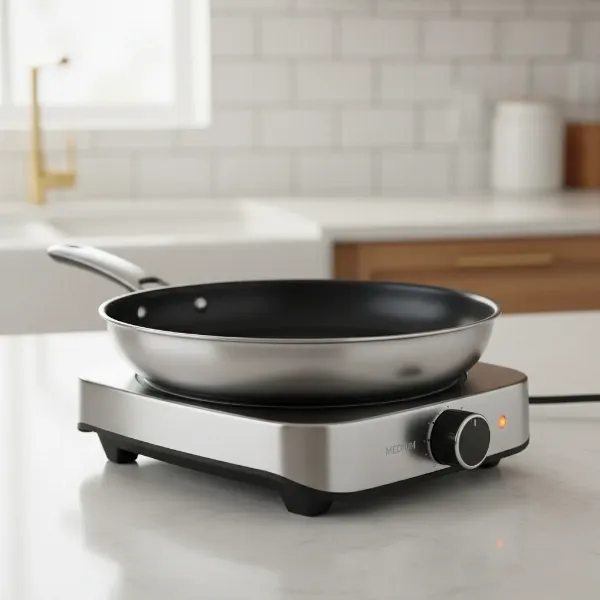 A modern electric skillet with temperature control dial, ready for various cooking tasks.
Advantages and Disadvantages of Roasting in an Electric Skillet
Choosing an electric skillet for roasting a whole chicken offers a unique set of benefits, but it also comes with a few considerations. Understanding these will help you maximize your success and manage expectations.
Advantages
- Flexibility and Convenience: An electric skillet’s portability means you can cook virtually anywhere there’s a power outlet. This is incredibly useful for potlucks, small apartments without ovens, or when you simply need to free up oven space for other dishes during holiday meals.
- Easy Temperature Adjustment: The built-in thermostat is a game-changer. It allows you to set and maintain a precise cooking temperature, which is essential for ensuring a whole chicken cooks evenly without drying out or burning. This level of control often surpasses what many stovetop burners can offer.
- Space-Saving: For those with compact kitchens or limited counter space, a multi-functional electric skillet can replace several single-purpose appliances. It’s an all-in-one solution for many cooking needs, including roasting.
- Moisture Retention: The deep design and tight-fitting lid of many electric skillets create a somewhat sealed environment, trapping moisture and basting the chicken in its own juices. This can lead to an exceptionally tender and succulent roast.
- Easy to Clean: A significant perk of most modern electric skillets is their ease of cleaning. Once the detachable temperature control probe is removed, many models are fully submersible, making cleanup a breeze.
|
Our Picks for the Best Electric skillet in 2026
As an Amazon Associate I earn from qualifying purchases.
|
||
| Num | Product | Action |
|---|---|---|
| 1 | Elite Gourmet EG6201 Extra Deep 12"x12"x3.2" (7.5Qt.) Scratch Resistant Dishwasher Safe, Non-stick Electric Skillet with Glass Vented Lid, Adjustable Temperature, Black |

|
| 2 | Elite Gourmet EG-6203# Extra Deep 16"x13"x3.2" (10.5Qt.) Scratch Resistant, Easy Pour Spout Dishwasher Safe, Non-stick Electric Skillet with Glass Vented Lid, Adjustable Temperature, Black |
|
| 3 | Blue Diamond 7QT 5-in-1 Extra Large Electric Skillet, Healthy Ceramic Nonstick Interior, Non-Toxic PFAS-Free, Temperature Control, Stay Cool Handles, Easy Clean, Graphite |
|
| 4 | Elite Gourmet EG808 8” x 8" Non-stick Electric Skillet, Dishwasher Safe with Tempered Glass Vented Lid, Rapid Heat Up, 600W, Black |
|
| 5 | FOHERE 16-Inch Electric Skillet with Glass Cover, 1500W Rapid Heat, Adjustable Temperature, Multi-Purpose Electric Skillet Fried Chicken, Perfect For Family Gathering Cooking |
|
| 6 | bella Make & Take Electric Skillet, Fits-anywhere™ kitchenware, EverGood™ Ceramic Coating, Adjustable Temperature & Dishwasher-Safe Tempered Glass Lid, Cast Aluminum Base, 1200 Watt, Oatmilk |
|
| 7 | Nuwave Medley XL Digital Electric Skillet, Family Size Griddle w/Glass Lid, 2025 New & Improved Precision Heating, 100°-425°F, PFAS Free G11 Nonstick Ceramic Coating, Portable Hot Plate, 7qt Capacity |
|
| 8 | Pioneer Woman 3.5L Electric Skillet, Linen Speckle |
|
| 9 | Presto 06857 16-inch Electric Foldaway Skillet, Black |
|
| 10 | Elite Gourmet 12"x12"x2.15” Ceralast™ PFAS Free Ceramic Electric Skillet, Dishwasher Safe, Rapid Heat Up, 1200W, Dark Grey |
|
Disadvantages
- Limited Mobility (Requires Power Source): While portable, an electric skillet is tethered to an electrical outlet. This isn’t a problem for most home use but might be a consideration for outdoor cooking where power access is limited.
- Size Limitations: Roasting a whole chicken means considering the skillet’s capacity. While deep models are suitable, very large birds (e.g., over 5-6 pounds) might simply not fit, even when spatchcocked. It’s crucial to match your chicken size to your skillet.
- Crisping Challenges: While the covered environment aids moisture, achieving super crispy skin can sometimes be more challenging than in a convection oven. You might need specific techniques, such as initially cooking with the lid ajar or at higher temperatures, to encourage browning.
- Not Suitable for All Roasting Styles: If you’re accustomed to open-air roasting or complex rotisserie methods, the electric skillet offers a different, more contained cooking experience. It excels at moist, flavorful roasts, but won’t replicate every traditional oven roasting result.
Types of Electric Skillets for Roasting a Whole Chicken
Selecting the right electric skillet is paramount for a successful whole chicken roast. While all electric skillets offer temperature control, certain features make them particularly well-suited for this task.
By Shape
- Round Electric Skillets: These are the most common shape. While suitable for many dishes, a whole chicken, even a smaller one, might be a tight squeeze, especially if you want to spatchcock it for even cooking.
- Square or Rectangular Electric Skillets: These shapes are often ideal for roasting a whole chicken. Their wider, more expansive cooking surface easily accommodates a spatchcocked chicken, allowing for better heat distribution and more even cooking.
By Material
The cooking surface material affects heat distribution, durability, and cleaning.
- Non-stick Electric Skillets: The vast majority of electric skillets feature a non-stick coating. This is fantastic for easy cleanup and prevents the chicken from sticking. However, you’ll need to use non-metal utensils to protect the surface.
- Stainless Steel or Ceramic: Some higher-end electric skillets might feature stainless steel or ceramic cooking surfaces. These are durable and can often withstand higher temperatures, but they might require a bit more oil to prevent sticking and more effort to clean.
- Note on Cast Iron: While cast iron skillets are excellent for roasting, electric versions with a pure cast iron cooking surface are less common. Most electric skillets use other materials with integrated heating elements.
By Features
- High Dome Lid: This is perhaps the most critical feature for roasting a whole chicken. A high, domed lid provides the necessary vertical space for the chicken, preventing it from pressing against the lid and allowing heat to circulate properly around the bird. A flat lid simply won’t suffice for a whole chicken.
- Detachable Temperature Control: This feature is crucial for cleaning, allowing you to immerse the skillet body in water (if recommended by the manufacturer) without damaging the electrical components.
- Adjustable Vent on Lid: Some lids come with an adjustable vent. This can be useful for releasing steam to encourage crispier skin, or for retaining moisture as needed.
- Power and Wattage: Higher wattage generally means faster heating and better heat recovery. For roasting, a skillet with ample power ensures consistent temperature maintenance throughout the long cooking process.
Step-by-Step Guide: Roasting a Whole Chicken in a Deep Electric Skillet
Ready to transform your electric skillet into a roasting oven? Follow this guide for a tender, flavorful whole chicken. The specific method outlined below involves an initial high-heat sear followed by a lower temperature finish, ensuring both browning and thorough cooking.
Preparing Your Chicken
- Choose the Right Size: Opt for a whole chicken between 3 to 4 pounds. Larger chickens may not fit comfortably or cook evenly in most electric skillets.
- Spatchcock Your Chicken: This crucial step involves removing the backbone and flattening the chicken. Spatchcocking helps the chicken cook more evenly, reduces cooking time, and makes it easier to fit into your skillet. Use sturdy kitchen shears to cut along both sides of the backbone, then flip the chicken breast-side up and press down firmly on the breastbone to flatten it.
- Prepare the Marinade (Optional but Recommended): For maximum flavor and moisture, consider marinating your chicken overnight. A simple yet effective marinade can include:
- 1 Organic Chicken (3-4 lbs), spatchcocked
- 1 Grated Onion
- 1/2 Cup Olive Oil
- 1 tsp Oregano
- 1 tsp Turmeric
- 2 Tbs Paprika
- 1 tsp Sea Salt (or to taste)
- 1 Juicy Lemon or Grapefruit (juice and zest)
- 5 Sprigs of Thyme (leaves removed)
- 2 Sprigs of Rosemary (leaves removed)
Mix all ingredients thoroughly and smother the chicken, ensuring it’s well coated. Marinate in the refrigerator for at least 4 hours, or ideally, overnight.
- Pat Dry: Before cooking, remove the chicken from the marinade (if applicable) and pat it thoroughly dry with paper towels. This step is vital for achieving crispy skin.
 A spatchcocked whole chicken, marinated and patted dry, ready to be placed in an electric skillet.
Setting Up Your Electric Skillet
- Ensure Proper Equipment: Make sure you have a deep electric skillet with a high-dome lid.
- Preheat Your Skillet: Place the lid on the electric skillet and preheat it to 450°F (approximately 232°C) for 10 minutes. This high initial heat is key for searing and developing crispy skin. Note: While some general guidelines suggest roasting at 325-350°F, this specific whole chicken method utilizes a hotter initial temperature for better results.
- Add Oil: While the skillet is preheating, you can add a tablespoon or two of a high-smoke-point oil (like vegetable, canola, or grapeseed oil) to lightly coat the bottom, though some skillets might not require much if the chicken is marinated in oil.
The Roasting Process
- Initial Sear (Breast-Side Down): Carefully place the spatchcocked chicken into the preheated skillet, breast-side down. Roast for 15 minutes with the lid ajar by about one inch. This allows some steam to escape, promoting a crispier skin texture.
- Second Sear (Other Side): After 15 minutes, carefully flip the chicken to the other side (skin-side up, if spatchcocked, or simply the back/bone side if not) and roast for another 15 minutes.
- Covered Roasting: Once both sides have been initially seared, place the lid on the skillet, covering it completely. Continue to cook at 450°F (232°C) for an additional 10 minutes.
- Slow Finish: Reduce the temperature setting of your electric skillet significantly, down to 195°F (approximately 90°C). Continue cooking for 10 more minutes. This lower temperature finish helps the internal temperature stabilize and keeps the chicken moist.
- Check for Doneness: This is the most critical step. Using an instant-read meat thermometer, insert it into the thickest part of the thigh, avoiding the bone. The internal temperature should register 165°F (74°C). If it hasn’t reached this temperature, continue cooking at 195°F in 5-minute increments until it does.
Resting and Serving
- Rest the Chicken: Once cooked, carefully remove the chicken from the electric skillet and transfer it to a cutting board. Tent it loosely with aluminum foil and let it rest for 10 to 15 minutes. This allows the juices to redistribute throughout the meat, resulting in a more tender and flavorful chicken.
- Carve and Serve: Carve your perfectly roasted chicken and serve immediately with your favorite sides.
Tips for the Perfect Electric Skillet Roast Chicken
Even with a detailed recipe, a few extra pointers can elevate your electric skillet roasting game to expert levels.
- Trust Your Thermometer, Not Just the Clock: Cooking times are always estimates. An instant-read meat thermometer is your best friend for ensuring the chicken is cooked safely to 165°F (74°C) without overcooking.
- Don’t Overcrowd: Ensure your chicken fits comfortably in the skillet without touching the sides. Overcrowding can lead to steaming rather than roasting, preventing good browning.
- Brining vs. Marinating: If you choose not to marinate, consider a simple brine for 1-2 hours before roasting. This adds moisture and seasoning, resulting in a juicier bird. Always pat dry after brining.
- Adjust for Your Skillet: Every electric skillet can vary slightly in its temperature accuracy. Use an external thermometer to verify your skillet’s actual cooking surface temperature, especially if you find your results inconsistent.
- Maximize Crispy Skin: Beyond patting dry and initial high heat, for even crispier skin, you can rub a tiny bit of baking powder (about 1/2 tsp per chicken) mixed with salt on the skin a few hours before cooking. This helps dry out the skin surface, promoting a superior crunch.
- Utilize the Dome Lid: Make sure your electric skillet has a high-dome lid. This provides essential space for the chicken and helps circulate heat for even cooking.
Electric Skillet Care and Maintenance
Proper care ensures your electric skillet remains a reliable kitchen companion for years, especially after handling a whole roast chicken.
After Each Use
- Cool Down Completely: Always allow the electric skillet to cool down to room temperature before cleaning. Attempting to clean a hot skillet can damage its non-stick coating or cause warping.
- Remove Temperature Control Probe: This is a crucial safety step. Always detach the electrical control probe before cleaning the skillet body.
- Hand Wash (Recommended): While some electric skillets are dishwasher-safe, hand washing with warm, soapy water and a soft sponge or cloth is generally recommended, especially for non-stick surfaces, to prolong their life.
- Avoid Abrasives: Steer clear of harsh abrasive scrubbers, steel wool, or caustic cleaners, as these can scratch or damage the non-stick coating and the skillet’s finish. For stubborn spots, soak the skillet in warm soapy water for a while to loosen residue.
- Dry Thoroughly: Ensure the skillet is completely dry before reattaching the control probe or storing it, to prevent rust or electrical issues.
Storage
- Protect Non-Stick Surface: If stacking other cookware on top, place a soft cloth or paper towel between the skillet and other items to prevent scratches on the non-stick surface.
- Store in a Dry Place: Keep your electric skillet in a dry cabinet or pantry, away from excessive moisture.
- Safeguard the Probe: Store the temperature control probe carefully, ensuring its electrical contacts are protected from damage.
Conclusion
Roasting a whole chicken in a deep electric skillet might seem unconventional, but as we’ve explored, it’s a remarkably effective and convenient method. With its precise temperature control, ability to retain moisture, and easy cleanup, the electric skillet truly shines as a versatile appliance capable of producing a delicious, tender, and flavorful roast chicken.
By following the preparation steps, mastering the roasting technique, and implementing proper care, you can consistently achieve results that rival oven-roasted poultry. Embrace your electric skillet as a powerhouse kitchen tool, not just for frying, but for elevating your roasting game. Give this method a try, and you might just discover your new favorite way to prepare a whole chicken.
What’s your go-to electric skillet recipe that surprises people?
Frequently Asked Questions
Can I roast a whole chicken in any electric skillet?
No, not all electric skillets are suitable. You’ll need a deep electric skillet, ideally square or rectangular, and critically, one with a high dome lid to accommodate the chicken’s height and allow for proper heat circulation during roasting. A 3-4 lb chicken, spatchcocked, fits best.
What temperature should I roast a whole chicken at in an electric skillet?
A successful approach involves starting at a high temperature, such as 450°F (232°C), for initial searing to achieve crispy skin, then reducing to a lower temperature like 195°F (90°C) for the final cooking phase. Always use a meat thermometer to confirm an internal temperature of 165°F (74°C).
How long does it take to roast a whole chicken in a deep electric skillet?
Using the specific high-heat, then low-heat method outlined, a 3-4 lb spatchcocked chicken typically takes approximately 50-60 minutes of active cooking time, plus a 10-15 minute resting period. Larger chickens will require more time, and always rely on internal temperature for doneness.
How do I get crispy skin on my electric skillet roasted chicken?
For crispy skin, begin by thoroughly patting the chicken dry before cooking. The roasting method includes initial high-heat searing at 450°F (232°C) with the lid slightly ajar, which helps to dry the skin and promote browning.
What size chicken is best for an electric skillet?
A whole chicken weighing between 3 to 4 pounds is generally the ideal size for roasting in most deep Electric Skillets, especially when spatchcocked. This size ensures it fits comfortably and cooks evenly within the skillet’s dimensions.