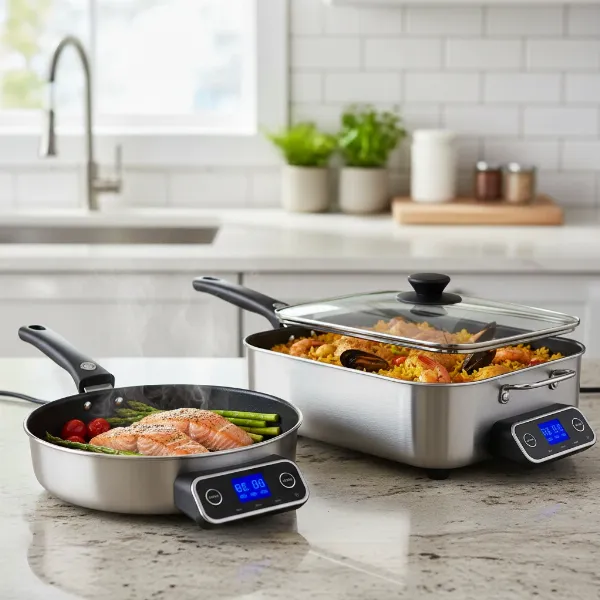
Your trusty electric skillet has been a culinary workhorse, sizzling up countless meals and simplifying kitchen tasks. But when it finally gives out, what’s the right way to say goodbye? Disposing of an old, broken electric skillet isn’t as simple as tossing it in the regular trash. As an electronic appliance, it falls into a category known as e-waste, which requires special handling to protect our environment and recover valuable resources. Understanding the proper methods for recycling your electric skillet ensures that its components are managed safely and sustainably, keeping harmful materials out of landfills and contributing to a greener future. This guide will walk you through everything you need to know about responsibly recycling your non-working electric skillet.
Why You Can’t Just Throw It Away: The Environmental Impact of E-Waste
An electric skillet, like many small kitchen appliances, is classified as electronic waste, or e-waste. This means it contains various materials, including metals, plastics, and sometimes non-stick coatings, which can be problematic if simply discarded with household garbage. Placing these items in standard curbside recycling bins is generally not recommended, as they can contaminate other recyclables or cause operational issues at processing facilities.
The components within an electric skillet, such as copper, aluminum, and steel, are valuable resources that can be recycled and repurposed [cite: 4 (search result 1), 5 (search result 2)]. However, e-waste can also contain hazardous substances like lead, mercury, or dioxins, which, if not properly handled, can leach into the soil and water, posing significant health risks to communities and ecosystems [cite: 4 (search result 3)]. Responsible recycling ensures that these harmful materials are safely contained or removed, while precious metals are recovered, reducing the need for virgin raw materials and conserving energy.
 environmental hazards from old electric skillet e-waste components leaching into soil and water
What to Do Before Recycling Your Electric Skillet
Before you take your old electric skillet to a recycling center, a few preparatory steps can ensure a smoother and safer disposal process. Even though it’s broken, taking a moment for preparation is crucial.
First and foremost, always unplug your electric skillet from the power source and allow it to cool completely. This is a fundamental safety measure before handling any electrical appliance. Once cooled, give it a thorough clean. Remove any residual food particles or grease to make the recycling process more efficient and hygienic for those handling it.
While the focus here is on broken skillets, if any minor, easily removable parts are still functional or made of a different material (like a glass lid), you might consider separating them if your local recycling facility has specific guidelines. For instance, some facilities might have separate collection for glass. However, for the main unit, keep it largely intact unless specifically instructed otherwise by the recycler. For items with non-stick coatings that are flaking, it’s particularly important to ensure they are recycled responsibly, as older coatings may contain compounds like PFOA that are best kept out of landfills [cite: 1 (search result 2)].
Where to Recycle Your Broken Electric Skillet
Finding the right place to recycle your broken electric skillet is key to ensuring it’s handled properly. Standard curbside recycling programs are rarely equipped to process small electrical appliances, so you’ll need to explore alternative options.
Local E-Waste Recycling Centers
|
Our Picks for the Best Electric skillet in 2026
As an Amazon Associate I earn from qualifying purchases.
|
||
| Num | Product | Action |
|---|---|---|
| 1 | Elite Gourmet EG808 8” x 8" Non-stick Electric Skillet, Dishwasher Safe with Tempered Glass Vented Lid, Rapid Heat Up, 600W, Black |

|
| 2 | Pioneer Woman 3.5L Electric Skillet, Linen Speckle |
|
| 3 | Nuwave Medley XL Digital Electric Skillet, Family Size Griddle w/Glass Lid, 2025 New & Improved Precision Heating, 100°-425°F, PFAS Free G11 Nonstick Ceramic Coating, Portable Hot Plate, 7qt Capacity |
|
| 4 | Presto 06857 16-inch Electric Foldaway Skillet, Black |
|
| 5 | Elite Gourmet 12"x12"x2.15” Ceralast™ PFAS Free Ceramic Electric Skillet, Dishwasher Safe, Rapid Heat Up, 1200W, Dark Grey |
|
| 6 | Blue Diamond 7QT 5-in-1 Extra Large Electric Skillet, Healthy Ceramic Nonstick Interior, Non-Toxic PFAS-Free, Temperature Control, Stay Cool Handles, Easy Clean, Graphite |
|
| 7 | bella Make & Take Electric Skillet, Fits-anywhere™ kitchenware, EverGood™ Ceramic Coating, Adjustable Temperature & Dishwasher-Safe Tempered Glass Lid, Cast Aluminum Base, 1200 Watt, Oatmilk |
|
| 8 | Elite Gourmet EG6201 Extra Deep 12"x12"x3.2" (7.5Qt.) Scratch Resistant Dishwasher Safe, Non-stick Electric Skillet with Glass Vented Lid, Adjustable Temperature, Black |
|
| 9 | FOHERE 16-Inch Electric Skillet with Glass Cover, 1500W Rapid Heat, Adjustable Temperature, Multi-Purpose Electric Skillet Fried Chicken, Perfect For Family Gathering Cooking |
|
| 10 | Elite Gourmet EG-6203# Extra Deep 16"x13"x3.2" (10.5Qt.) Scratch Resistant, Easy Pour Spout Dishwasher Safe, Non-stick Electric Skillet with Glass Vented Lid, Adjustable Temperature, Black |
|
The most common and effective way to recycle your electric skillet is by taking it to a dedicated e-waste recycling center. These facilities are designed to process electronics, accepting a wide range of items that run on electricity or batteries. To find a center near you, check your municipal waste management website or use online search tools. When contacting them, confirm their acceptance policy for small kitchen appliances and any specific drop-off instructions.
Special Collection Events
Many communities organize special collection events for e-waste or bulky waste throughout the year. These events, often sponsored by local solid waste districts, nonprofits, churches, or schools, provide convenient opportunities to dispose of various electronic items, including electric skillets. Keep an eye on local announcements or check your city’s waste management calendar for upcoming dates and locations.
Retailer Take-Back Programs
Some electronics retailers and appliance manufacturers offer take-back or recycling programs for old appliances. When purchasing a new electric skillet, inquire if the retailer has a program to accept your old one, sometimes even if it’s broken. Certain brands, like Hamilton Beach, have even offered specific mail-in recycling programs for their small appliances. Checking with major electronics stores like Best Buy or Staples is also a good idea, as they often have comprehensive recycling services for various electronics.
Scrap Metal Yards
Electric skillets contain a significant amount of metal, including steel, copper, and aluminum, which are highly recyclable [cite: 4 (search result 1), 5 (search result 2)]. Local scrap metal yards can be a viable option for recycling the metal components. While they might pay by weight, the primary benefit is ensuring these valuable materials are diverted from landfills and reused. Contact local scrap yards to confirm they accept small appliances and if any specific preparation (like detaching cords) is required.
Curbside Collection (with caution)
While generally not suitable for regular curbside recycling bins, some local authorities offer specific bulky waste or e-waste collection services. This might be a scheduled pickup service for larger items or special arrangements for electronic waste. It is crucial to verify directly with your local solid waste hauler to see if they offer such a service for small appliances and to understand their exact requirements before placing your electric skillet at the curb. Improper placement can lead to your item being rejected or contaminating other recyclables.
The Recycling Process: What Happens to Your Old Skillet?
Once your broken electric skillet reaches a specialized recycling facility, it embarks on a journey of transformation. The process typically involves several stages aimed at recovering materials and safely managing hazardous components.
Initially, skilled technicians manually or mechanically dismantle the appliance. This allows for the separation of different materials. Metals like steel, aluminum, and copper are isolated, often through magnetic separation for ferrous metals (iron and steel) and eddy current separation for non-ferrous metals (copper and aluminum) [cite: 5 (search result 3)]. These recovered metals are then cleaned, shredded, and sent to smelters where they are melted down and refined to be used in the manufacturing of new products.
Plastics are also separated, sorted by type, and then processed into pellets or flakes that can be molded into new plastic items [cite: 5 (search result 3)]. Any glass components, such as a lid, would be separated and sent to glass recycling facilities. Crucially, any potentially hazardous components are carefully identified and processed according to strict environmental regulations, preventing them from contaminating the environment [cite: 4 (search result 3)]. This meticulous process ensures that your old electric skillet doesn’t end up as landfill waste but instead becomes a valuable source of raw materials for the future.
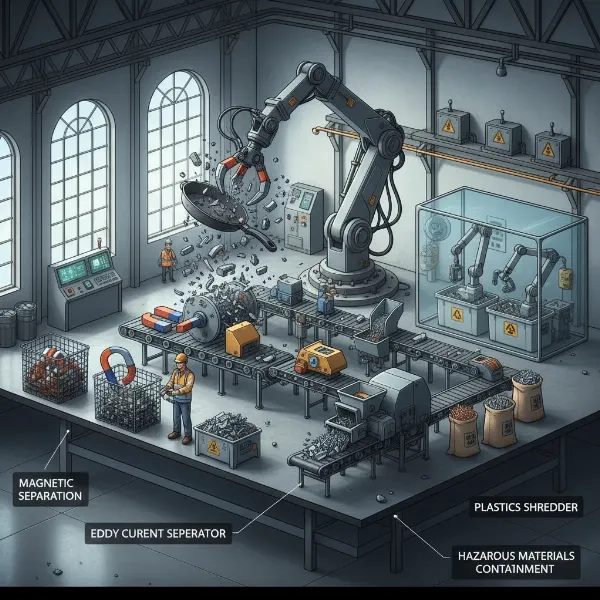 inside view of an e-waste recycling facility processing an electric skillet
Tips for Choosing a New Electric Skillet (and future disposal)
When it’s time to replace your old electric skillet, consider making a purchase that aligns with responsible consumption and future disposal. Opting for durability and repairability can extend the lifespan of your appliance, delaying its eventual journey to a recycling center.
Look for electric skillets made with high-quality, robust materials that are designed to last. Brands known for their longevity and customer support often offer replacement parts, making it easier to repair minor issues rather than replacing the entire unit. Additionally, some manufacturers are increasingly mindful of their products’ end-of-life impact. While not yet widespread, researching brands that have established take-back programs or clearly outline how to recycle their products can be a powerful way to support sustainable practices. A thoughtful purchase today can significantly reduce your environmental footprint tomorrow.
“Responsible appliance disposal isn’t just about throwing things away correctly; it’s about extending the life cycle of materials and minimizing our environmental impact. Every electric skillet properly recycled is a step towards a more sustainable planet.” – Electric Skillet Guide Admin, 10+ Years Electric Skillet Expertise
Conclusion
Saying farewell to a beloved, albeit broken, electric skillet doesn’t have to contribute to landfill waste. By understanding the proper channels for recycling, you play a vital role in protecting our environment and conserving valuable resources. Remember to never place your electric skillet in regular curbside bins, and instead, explore options such as local e-waste recycling centers, special collection events, retailer take-back programs, or scrap metal yards. Each method ensures that the metals, plastics, and other components of your appliance are processed responsibly. Making informed choices about how we dispose of our electronic waste, including our kitchen appliances, is a small but significant step towards a more sustainable and healthy future. How will you make your next appliance disposal a responsible one?
Frequently Asked Questions
Can I put my broken electric skillet in my regular household trash?
No, it is generally not recommended to put a broken electric skillet in your regular household trash. Electric skillets contain various materials, including metals and plastics, and are considered e-waste, which requires specialized recycling to prevent environmental contamination and recover valuable materials.
Where can I find an e-waste recycling center near me?
You can typically find e-waste recycling centers by checking your local municipal waste management website, using online search engines with terms like “e-waste recycling near me,” or contacting your local solid waste authority for guidance.
Do any retailers offer recycling for old electric skillets?
Yes, some electronics retailers and appliance manufacturers offer take-back or recycling programs for old appliances, especially when you are purchasing a new one. It’s advisable to check with major electronics stores or the manufacturer of your electric skillet.
What happens to an electric skillet once it’s recycled?
Once recycled, electric skillets are dismantled, and their components like steel, aluminum, and copper are separated, cleaned, and melted down to be reused in new products [cite: 5 (search result 3)]. Plastics and other materials are also processed for repurposing, diverting waste from landfills.
Is it necessary to clean my electric skillet before recycling it?
Yes, it is recommended to clean your Electric Skillet thoroughly to remove any food residue or grease before taking it to a recycling center. This makes the handling and processing cleaner and more efficient for the recycling facility.