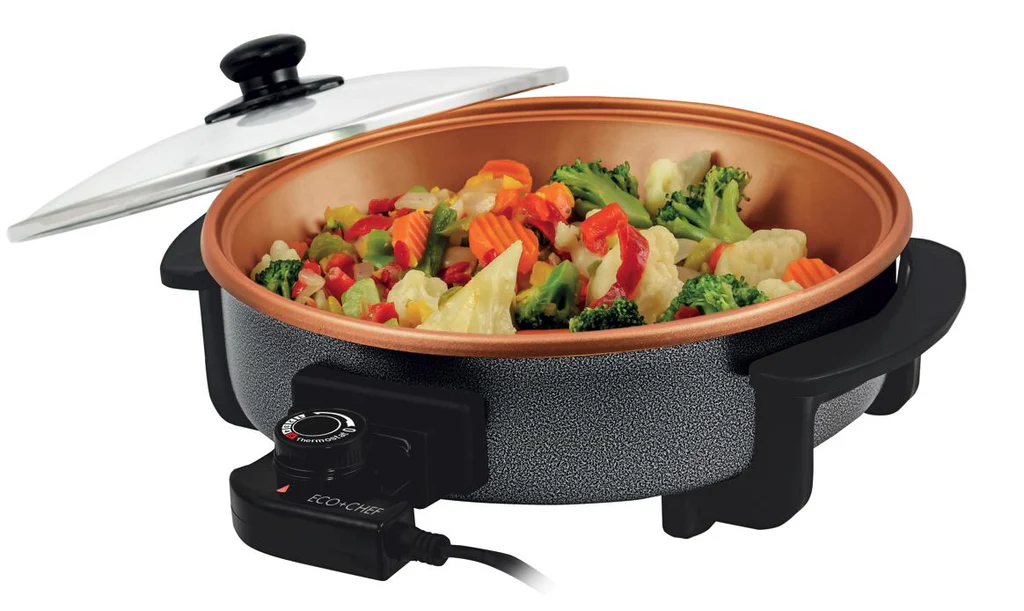
 There’s a special kind of joy that comes with unboxing a brand new electric skillet. That flawless, slick, nonstick surface looks so promising, ready to turn out perfect pancakes and beautifully seared chicken. But then, a quiet fear creeps in. The fear of the first scratch. We’ve all been there. Learning How To Prevent Scratches On The Nonstick Surface isn’t just about aesthetics; it’s about preserving the performance and lifespan of one of the most versatile tools in your kitchen.
Let’s be honest, that nonstick coating is both the skillet’s superpower and its Achilles’ heel. It’s what allows you to cook with less oil and clean up in a flash, but it’s also delicate. Think of it like a freshly waxed car—gorgeous and functional, but you wouldn’t dare take a steel wool pad to it. In this guide, we’re going to dive deep into the simple, practical habits that will keep your electric skillet’s surface looking and cooking like new for years to come.
Why Do Nonstick Surfaces Scratch So Easily?
Before we get into the “how,” let’s quickly touch on the “why.” Most nonstick surfaces, whether traditional PTFE (like Teflon) or modern ceramic coatings, are applied in thin layers over a metal base, usually aluminum. This layer is a modern marvel, but it’s fundamentally softer than metal. Any tool that’s harder than the coating can, and will, leave a mark.
Even tiny, invisible micro-scratches can compromise the surface over time, creating areas where food can begin to stick. A deep gouge, on the other hand, can expose the metal underneath and cause the coating around it to flake. So, the goal is to treat that surface with a little bit of mechanical sympathy.
The Golden Rules: Your Utensil Choice Matters Most
This is the number one battleground for preventing scratches, and luckily, it’s the easiest one to win. If you take away only one thing from this article, let it be this: never, ever use metal utensils on your nonstick electric skillet.
That means no metal spatulas, no forks for flipping, and no knives for a quick “in-pan” slice. It’s a hard habit to break, especially if you’re used to stainless steel pans, but it’s crucial.
Your Skillet’s Best Friends: The Right Tools for the Job
- Silicone: This is the gold standard. Silicone utensils are flexible, heat-resistant, and incredibly gentle on nonstick surfaces. They won’t scratch, period. From spatulas to tongs, a good set of silicone tools is a worthy investment.
- Wood or Bamboo: A classic choice for a reason. Wooden spoons and spatulas are soft enough that they won’t harm the coating. Just be sure they are smooth and free of any splintered edges.
- Nylon: Heat-resistant nylon or plastic utensils are another great option. They are affordable and widely available. Just be mindful of their heat limits—if you leave a nylon spoon resting on the skillet’s edge, it could melt.
According to home appliance engineer, Sarah Jenkins, “The vast majority of premature nonstick failures we analyze are due to mechanical abrasion from improper utensil use. A simple switch to silicone or wood can literally double the effective lifespan of an electric skillet’s cooking surface.”
The Temperature Tango: Can You Use Too Much Heat?
While high heat won’t directly scratch your skillet, it can degrade the nonstick coating over time, making it more brittle and susceptible to damage. Most electric skillets are designed to operate within a safe temperature range, but it’s good practice to avoid blasting it on the highest setting right away, especially when empty.
Think of it like this: your nonstick surface is happiest when it heats up and cools down gradually. Preheating your skillet on a medium setting for a minute or two before adding your food is much better than cranking the dial to max from a cold start. This also helps prevent warping, which can put stress on the coating.
The After-Party: How to Clean Without Causing Harm
Your meal was a success! Now comes the cleanup. This is the second-most common area where well-intentioned cooks accidentally damage their skillets. Aggressive scrubbing is the enemy.
Follow these simple steps for a safe and effective clean:
- Let It Cool Down: Never plunge a hot skillet into cold water. This rapid temperature change, known as thermal shock, can cause the pan to warp and can stress the nonstick coating, leading to micro-cracks. Let it cool on the counter for at least 10-15 minutes until it’s just warm to the touch.
- Wipe Out Excess Grease: Use a paper towel to wipe out any remaining oil or food residue. Most of it should slide right off.
- Use a Soft Sponge: With a bit of warm water and a drop of mild dish soap, use a soft sponge or cloth to gently wash the surface. Never use abrasive cleaners, steel wool, or the rough side of a scouring pad.
- Rinse and Dry Thoroughly: Rinse away all the soap and dry the skillet completely with a soft towel before storing. This prevents water spots and protects the electrical components.
|
Our Picks for the Best Electric Skillet in 2026
As an Amazon Associate, we earn from qualifying purchases.
|
||
| Num | Product | Action |
|---|---|---|
| 1 | Presto 07117 12\" Electric Skillet with glass cover |

|
| 2 | Presto 06852 16-Inch Electric Skillet with Glass Cover |
|
| 3 | Chefman XL Electric Griddle with Removable Temperature Control, Immersible Flat Top Grill, Burger, Eggs, Pancake Griddle, Nonstick Extra Large Cooking Surface, Slide Out Drip Tray, 10 x 20 Inch |
|
| 4 | Crux Extra Deep Nonstick Scratch Resistant Electric Skillet with Removeable Temperature Probe, 12\" x 12\", silver (14620) |
|
| 5 | Elite Gourmet EG808 8” x 8\" Non-stick Electric Skillet, Dishwasher Safe with Tempered Glass Vented Lid, Rapid Heat Up, 600W, Black |
|
| 6 | BLACK+DECKER Electric Skillet, Variable Temperature Control, Nonstick Cooking Surface, Dishwasher Safe, Tempered Glass Lid, 12\"x15\" |
|
| 7 | Elite Gourmet 12\" x 12\" x 3” Ceralast™ Ceramic Non-stick PFAS Free, Dishwasher Safe Electric Skillet, Xtra Deep Dish, Rapid Heat 1200W, Black |
|
| 8 | Elite Gourmet EG-6203# Extra Deep 16\"x13\"x3.2\" (10.5Qt.) Scratch Resistant, Easy Pour Spout Dishwasher Safe, Non-stick Electric Skillet with Glass Vented Lid, Adjustable Temperature, Black |
|
| 9 | bella Make & Take Electric Skillet, Fits-anywhere™ kitchenware, EverGood™ Ceramic Coating, Adjustable Temperature & Dishwasher-Safe Tempered Glass Lid, Cast Aluminum Base, 1200 Watt, Surf |
|
| 10 | Presto 06857 16-inch Electric Foldaway Skillet, Black |
|
Stacking and Storing: The Silent Scratch Culprit
You’ve cooked with the right utensils and cleaned it perfectly. Don’t let your good work go to waste in the cupboard! Stacking other pots, pans, or heavy dishes directly on the nonstick surface is a guaranteed way to cause scuffs and scratches.
The solution is simple: create a protective barrier.
- Pan Protectors: These are felt or silicone dividers designed for this exact purpose. They are inexpensive and incredibly effective.
- A Simple Towel: Don’t have pan protectors? No problem. A clean, dry dishtowel or even a few sheets of paper towel placed on the surface before you stack anything on top will do the trick.
A Pro Tip on Cooking Oils and Sprays
This one might surprise you. While you don’t need much oil in a nonstick skillet, aerosol cooking sprays are not your friend. The propellants and emulsifiers in these sprays can create a sticky, invisible buildup on the surface over time. This residue doesn’t wash off easily and, when heated, can carbonize, effectively ruining the nonstick properties and tempting you to scrub harder—leading to, you guessed it, scratches.
Instead, opt for a small amount of cooking oil or butter. You can apply it with a silicone brush or a paper towel to get a thin, even coat.
What is the Best Way to Prevent Scratches on a Nonstick Surface?
The single best way to prevent scratches is to create a “no-metal zone.” Exclusively use silicone, wood, or nylon utensils for cooking, and never use abrasive scouring pads or steel wool for cleaning. This simple habit protects the delicate coating from damage.
Frequently Asked Questions (FAQ)
Q: I have a small scratch on my electric skillet. Is it still safe to use?
A: For most modern, PFOA-free skillets, a minor surface scratch is primarily a cosmetic issue and is generally considered safe. The pan may just be a bit less nonstick in that specific spot. However, if the coating is actively flaking or peeling, it’s best to replace the skillet.
Q: Can I fix a scratch on my nonstick surface?
A: Unfortunately, there is no reliable, food-safe way to permanently repair a scratch on a nonstick coating. Any commercially available “repair sprays” are not recommended for surfaces that come into direct contact with food. Prevention is truly the only cure.
Q: How long should a nonstick electric skillet last?
A: With proper care, a quality electric skillet should provide excellent nonstick performance for 3 to 5 years. Following the tips in this guide, like avoiding metal utensils and harsh cleaning, can help you reach the upper end of that range, or even exceed it.
Q: Do I need to “season” my nonstick electric skillet like cast iron?
A: No, nonstick surfaces do not require seasoning. The coating is designed to be non-porous and ready to use out of the box. In fact, the process of seasoning (baking on layers of oil at high heat) can actually damage the nonstick coating.
Q: Is it safe to put my electric skillet in the dishwasher?
A: It’s highly recommended to avoid the dishwasher, even if the manufacturer says it’s “dishwasher safe.” The harsh detergents, high heat, and potential for being knocked by other dishes can significantly shorten the life of the nonstick coating. Handwashing is always the gentlest and safest method.
Your Skillet, Your Rules
Your electric skillet is an amazing kitchen workhorse, capable of everything from breakfast to dinner. Protecting its surface isn’t about being overly precious; it’s about being smart. By adopting these simple habits—choosing the right utensils, cleaning gently, and storing thoughtfully—you’ll master how to prevent scratches on the nonstick surface. You’ll be rewarded with a skillet that performs beautifully, cleans up effortlessly, and serves you and your family delicious meals for many years to come.
Happy cooking! We’d love to hear your own tips and tricks for keeping your cookware in top shape in the comments below.