Few breakfasts evoke as much joy as a stack of perfectly golden, fluffy pancakes. While a standard stovetop can get the job done, an often-underestimated kitchen hero, the large electric skillet, can elevate your pancake game to professional levels. Imagine consistently cooked, beautifully browned pancakes, batch after batch, without the guesswork. This guide will walk you through mastering the art of pancake making with your electric skillet, transforming your morning routine into a seamless culinary experience.
What is an Electric Skillet?
An electric skillet, also known as an electric griddle, is a countertop appliance designed to provide consistent and even heat across its entire cooking surface. Unlike traditional stovetops that can have hot spots, an electric skillet maintains a set temperature with remarkable precision, making it ideal for dishes requiring steady heat, such as pancakes, eggs, or grilled sandwiches. Its self-contained heating element and thermostat allow for uniform cooking, eliminating the common issue of unevenly browned pancakes.
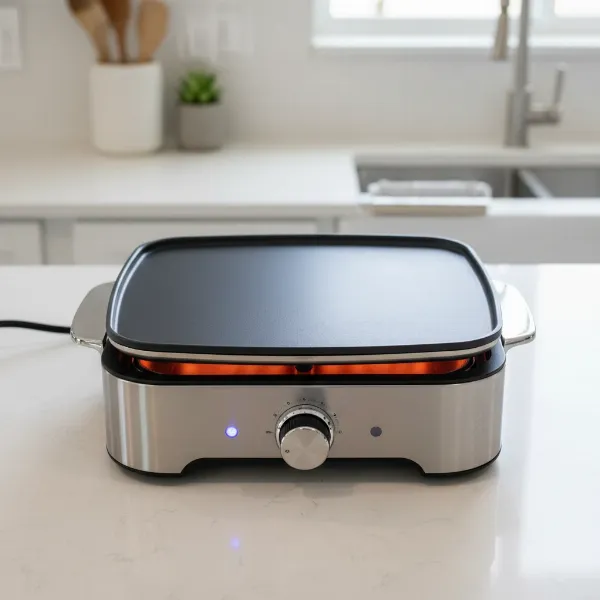 Large electric skillet heating up, ready for cooking golden, fluffy pancakes for breakfast.
Advantages and Disadvantages of Electric Skillets for Pancakes
Before diving into the cooking process, understanding the unique benefits and minor drawbacks of using an electric skillet for pancakes can help you maximize its potential.
Advantages
- Consistent & Even Heating: This is arguably the biggest game-changer. An electric skillet ensures every inch of the cooking surface is at the same temperature, leading to uniformly golden and cooked pancakes, free from burnt edges or undercooked centers. This consistent heat allows for predictable cooking, helping you achieve perfect results every time.
- Precise Temperature Control: With a dedicated temperature dial, you can set your electric skillet to the exact degree needed, typically between 350-375°F (175-190°C) for pancakes, and it will maintain that heat automatically. This eliminates the need for constant adjustments often required with stovetop burners.
- Increased Cooking Surface/Capacity: Large electric skillets offer a generous cooking area, often rectangular or square, allowing you to cook multiple pancakes simultaneously. This is a huge time-saver when feeding a family or a crowd, ensuring everyone gets a hot, fresh stack at the same time.
- Portability and Convenience: An electric skillet is a versatile, portable cooking station. It frees up valuable stovetop space and can be used anywhere with an electrical outlet, whether it’s on a kitchen island, a dining table for a buffet-style breakfast, or even outdoors for al fresco dining. Its ability to hold warmth also makes it excellent for keeping cooked pancakes ready until serving.
|
Our Picks for the Best Electric skillet in 2026
As an Amazon Associate I earn from qualifying purchases.
|
||
| Num | Product | Action |
|---|---|---|
| 1 | Blue Diamond 7QT 5-in-1 Extra Large Electric Skillet, Healthy Ceramic Nonstick Interior, Non-Toxic PFAS-Free, Temperature Control, Stay Cool Handles, Easy Clean, Graphite |

|
| 2 | FOHERE 16-Inch Electric Skillet with Glass Cover, 1500W Rapid Heat, Adjustable Temperature, Multi-Purpose Electric Skillet Fried Chicken, Perfect For Family Gathering Cooking |
|
| 3 | Elite Gourmet EG808 8” x 8" Non-stick Electric Skillet, Dishwasher Safe with Tempered Glass Vented Lid, Rapid Heat Up, 600W, Black |
|
| 4 | Nuwave Medley XL Digital Electric Skillet, Family Size Griddle w/Glass Lid, 2025 New & Improved Precision Heating, 100°-425°F, PFAS Free G11 Nonstick Ceramic Coating, Portable Hot Plate, 7qt Capacity |
|
| 5 | Pioneer Woman 3.5L Electric Skillet, Linen Speckle |
|
| 6 | Presto 06857 16-inch Electric Foldaway Skillet, Black |
|
| 7 | Elite Gourmet EG-6203# Extra Deep 16"x13"x3.2" (10.5Qt.) Scratch Resistant, Easy Pour Spout Dishwasher Safe, Non-stick Electric Skillet with Glass Vented Lid, Adjustable Temperature, Black |
|
| 8 | Elite Gourmet 12"x12"x2.15” Ceralast™ PFAS Free Ceramic Electric Skillet, Dishwasher Safe, Rapid Heat Up, 1200W, Dark Grey |
|
| 9 | Elite Gourmet EG6201 Extra Deep 12"x12"x3.2" (7.5Qt.) Scratch Resistant Dishwasher Safe, Non-stick Electric Skillet with Glass Vented Lid, Adjustable Temperature, Black |
|
| 10 | bella Make & Take Electric Skillet, Fits-anywhere™ kitchenware, EverGood™ Ceramic Coating, Adjustable Temperature & Dishwasher-Safe Tempered Glass Lid, Cast Aluminum Base, 1200 Watt, Oatmilk |
|
Disadvantages
- Requires Power Source: As an electric appliance, it needs to be plugged in, limiting its use to areas with accessible outlets.
- Storage Considerations: Large electric skillets can be bulky and may require dedicated storage space, which can be a concern for smaller kitchens.
- Specific Use Case: While versatile for many flat-surface cooking tasks, it’s not a direct substitute for a deep pot or wok for other cooking methods. However, for pancakes, its benefits far outweigh this limitation.
Essential Tools for Pancake Perfection
To ensure a smooth pancake-making process, having the right tools on hand is key:
- Large Electric Skillet: The star of our show, ideally with a non-stick surface.
- Mixing Bowls: At least two – one for dry ingredients, one for wet.
- Whisk: For combining ingredients without overmixing.
- Measuring Cups and Spoons: For accurate ingredient ratios.
- Ladle or Measuring Cup: To consistently pour batter for uniform pancake sizes.
- Thin Spatula: Essential for easy and clean flipping without tearing.
- Wire Rack or Warm Plate: To keep cooked pancakes warm while the rest are finishing.
Preparing Your Pancake Batter for Success
Even the best electric skillet can’t fix poor batter. Here’s how to prepare your pancake batter for optimal fluffiness and texture.
Choosing the Right Recipe
While many pancake recipes work well, look for ones that emphasize light and fluffy results. Buttermilk recipes, for instance, often produce tender pancakes due to the acidity reacting with leavening agents.
Mixing Techniques: The Golden Rule is Don’t Overmix
This is perhaps the most crucial tip for fluffy pancakes. In a large bowl, sift together all your dry ingredients (flour, sugar, baking powder, baking soda, salt). In a separate bowl, whisk your wet ingredients (milk, eggs, melted butter or oil). Then, pour the wet ingredients into the dry. Stir gently with a whisk or fork until just combined. A few lumps are perfectly fine and even desired; overmixing develops gluten in the flour, leading to tough, chewy pancakes. Stop mixing as soon as no dry streaks of flour remain.
Letting the Batter Rest
Once mixed, let your pancake batter rest for 5 to 15 minutes at room temperature. This resting period allows the gluten to relax and the leavening agents to fully activate, resulting in lighter, fluffier pancakes. While the batter rests, you can preheat your electric skillet.
Step-by-Step Guide: Cooking Perfect Pancakes in Your Electric Skillet
Now for the main event! Follow these steps to achieve pancake perfection.
Preheating the Skillet to the Right Temperature
The key to perfect pancakes is a properly preheated skillet. Set your electric skillet to a temperature between 350-375°F (175-190°C). Many sources suggest starting at 375°F and then reducing it slightly to 360-370°F once you begin cooking, especially if you have a thicker batter. Allow the skillet to fully preheat until the indicator light signals it has reached the set temperature. This even, consistent heat is vital for a beautiful golden-brown crust and a thoroughly cooked interior.
Greasing the Surface Properly
While many electric skillets boast non-stick surfaces, a light application of cooking oil or melted butter can enhance browning and flavor. Use a pastry brush to thinly coat the surface or a light spray of cooking spray. Avoid over-greasing, as this can make your pancakes dense and greasy. If using butter, wipe out any burnt residue between batches to prevent a bitter taste.
Pouring the Batter Evenly
Using a ladle or a 1/4 to 1/3 cup measuring cup, pour your batter onto the preheated skillet. Leave about 1.5 inches of space between each pancake to allow for easy flipping. The consistent heat of the electric skillet allows you to cook multiple pancakes at once, maximizing efficiency without sacrificing quality.
Knowing When to Flip
Patience is a virtue when making pancakes. Resist the urge to flip too early. Wait until you see bubbles forming on the surface of the pancake and beginning to pop. The edges should also look set and slightly dry, with a light golden-brown ring around the base. This typically takes about 1 to 3 minutes for the first side.
Cooking the Second Side
Once the first side is perfectly golden and bubbly, use your thin spatula to gently slide under the pancake and flip it over in one swift motion. Cook the second side for another 1 to 2 minutes, or until it’s also golden brown and cooked through. Avoid pressing down on the pancakes, as this can flatten them and push out the air bubbles, resulting in a denser texture.
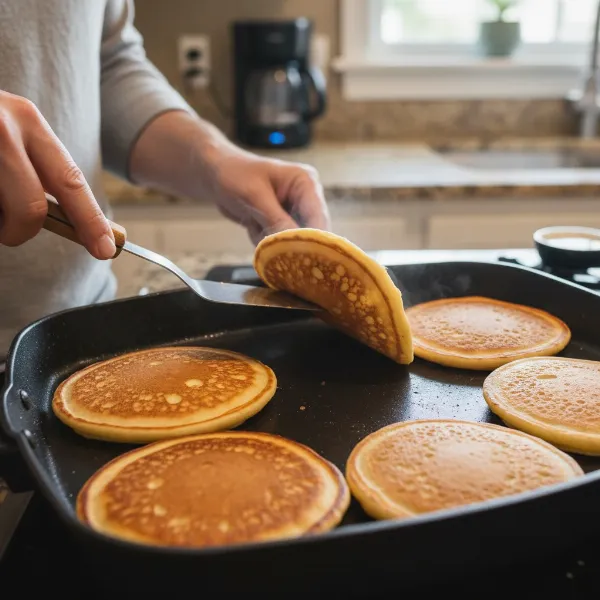 Hand using thin spatula to gently flip a golden-brown pancake on an electric skillet surface.
Keeping Pancakes Warm
As you finish each batch, transfer the cooked pancakes to a plate covered with foil or place them on a wire rack in a warm oven (around 200°F/90°C) to keep them warm until you’re ready to serve. This ensures everyone enjoys a hot stack.
Common Mistakes to Avoid for Fluffy Pancakes
Even experienced cooks can fall prey to common pancake pitfalls. Here’s how to steer clear of them:
- Overmixing the Batter: As mentioned, this is a top culprit for tough pancakes. Embrace the lumps!
- Ignoring Skillet Temperature: Too high, and your pancakes will burn on the outside before cooking inside. Too low, and they’ll be pale and potentially greasy. An electric skillet’s precise control helps mitigate this, but proper preheating and setting the correct temperature are still vital.
- Flipping Too Early: Flipping before enough bubbles appear means the pancake hasn’t fully set on the bottom, leading to a messy, uneven flip and potentially deflated pancakes.
- Over-Greasing: Too much oil or butter can lead to a greasy finish and prevent proper browning. A thin, even coat is all you need.
Choosing the Right Electric Skillet for Pancake Making
While the “how-to” is crucial, selecting the right large electric skillet can make your pancake journey even better.
- Size and Capacity: For making perfect pancakes for a family or guests, opt for a large, rectangular or square electric skillet. This shape provides maximum surface area, allowing you to cook more pancakes at once and ensuring consistent results across all of them.
- Non-Stick Surface: A high-quality non-stick coating is paramount for easy flipping and cleaning. Look for durable, PFOA-free non-stick surfaces.
- Accurate Temperature Control: A reliable thermostat that maintains consistent heat is the hallmark of a good electric skillet. This precision is what makes it superior to many stovetop methods for pancakes.
- Ease of Cleaning: Many modern electric skillets feature removable temperature probes, allowing the skillet body and lid to be fully submersible or dishwasher-safe, which makes cleanup a breeze.
Tips for Serving and Storing Your Perfect Pancakes
Once your perfect pancakes are ready, it’s time to enjoy them!
Toppings Galore
Serve your fluffy stacks with classic maple syrup, fresh berries, whipped cream, chocolate chips, a dusting of powdered sugar, or even savory options like bacon and eggs. The consistent results from your electric skillet provide a perfect canvas for any topping.
Storage and Reheating
Leftover pancakes are a delicious treat. Store cooled pancakes in an airtight container or a freezer-safe bag, separated by parchment paper, in the refrigerator for up to 3-4 days or freeze for up to 2 months. They reheat beautifully in a microwave, toaster, or even back in your electric skillet set to a lower temperature.
Conclusion
Making perfect pancakes in a large electric skillet is not just simple; it’s a revelation for anyone who loves a consistent, delicious breakfast. The precise temperature control, even heating, and expansive cooking surface of an electric skillet take the guesswork out of achieving that coveted golden-brown exterior and fluffy interior. By following these steps and avoiding common mistakes, you’ll be serving up stacks of perfection every time. So, dust off your electric skillet, mix up some batter, and prepare to delight your taste buds.
What pancake toppings are you excited to try with your perfectly cooked electric skillet creations?
Frequently Asked Questions
What is the ideal temperature for pancakes on an electric skillet?
The ideal temperature for cooking pancakes in an electric skillet is typically between 350-375°F (175-190°C). Preheating to 375°F and then slightly lowering to 360-370°F can provide optimal results, ensuring even cooking and a beautiful golden-brown finish without burning.
How do I know when to flip pancakes?
You’ll know it’s time to flip your pancakes when you see bubbles forming and popping on the surface of the batter. The edges should also appear dry and set, often with a slight golden hue. This usually takes 1 to 3 minutes for the first side.
Why are my pancakes flat or tough?
Flat or tough pancakes are often caused by overmixing the batter, which develops the gluten in the flour too much. Another common reason is not allowing the batter to rest, or cooking on a skillet that isn’t hot enough, leading to slow cooking and dense results.
Can I use an electric skillet for other foods?
Absolutely! An Electric Skillet is incredibly versatile. Its consistent heat control makes it excellent for cooking eggs, bacon, French toast, grilled cheese sandwiches, stir-fries, and even deep-frying small batches of food, making it a valuable addition to any kitchen.