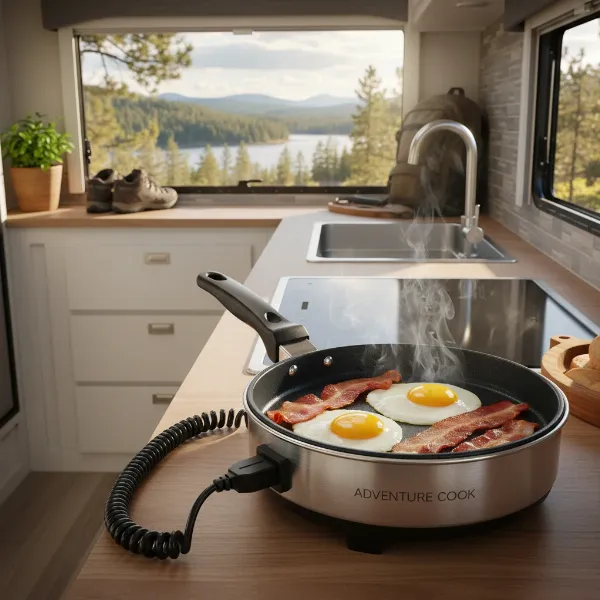
Are you craving a quick, satisfying pizza fix but don’t want to fire up the oven? Whether you’re a seasoned chef or a busy parent looking for a lightning-fast snack, mastering English muffin pizzas in a skillet offers a brilliant solution. This method, especially effective with the consistent heat of an electric skillet, delivers a delightfully crispy base and perfectly melted toppings in minutes, transforming a simple snack into a stovetop sensation. Let’s dive into how you can create these mini masterpieces right on your cooktop.
Why Choose a Skillet for Your English Muffin Pizzas?
Opting for a skillet to make your English muffin pizzas brings several advantages, particularly when time is of the essence or you’re cooking for one or two. It eliminates the need to preheat a large oven, saving energy and dramatically cutting down cooking time. A skillet also offers exceptional control over the crust’s crispness, allowing you to achieve that coveted golden-brown bottom that many pizza lovers adore. For those with an electric skillet, the precise temperature management ensures even cooking and consistent results every time. This method also works wonderfully when you want to keep your kitchen cool, avoiding the ambient heat of a traditional oven.
Gather Your Ingredients: The Essentials for Skillet Success
Creating delicious English muffin pizzas in a skillet starts with selecting quality ingredients. The beauty of these mini pizzas lies in their simplicity and versatility.
Here’s what you’ll need for your basic skillet English muffin pizzas:
- English Muffins: Fresh, quality English muffins are key. Split them using a fork to create those signature nooks and crannies that hold your toppings beautifully.
- Pizza Sauce: Your favorite marinara or pizza sauce works perfectly. Remember, a little goes a long way to prevent a soggy crust.
- Mozzarella Cheese: Shredded mozzarella is the classic choice for its superior melting qualities. You can also mix in a touch of Parmesan for added flavor.
- Olive Oil or Cooking Spray: Essential for toasting the muffins and preventing sticking in the skillet.
- Desired Toppings: Pepperoni, cooked sausage, diced bell peppers, onions, mushrooms, olives – let your imagination run wild!
For an extra layer of flavor, consider brushing your English muffins with a seasoned olive oil mixture (garlic powder, dried oregano) before adding sauce.
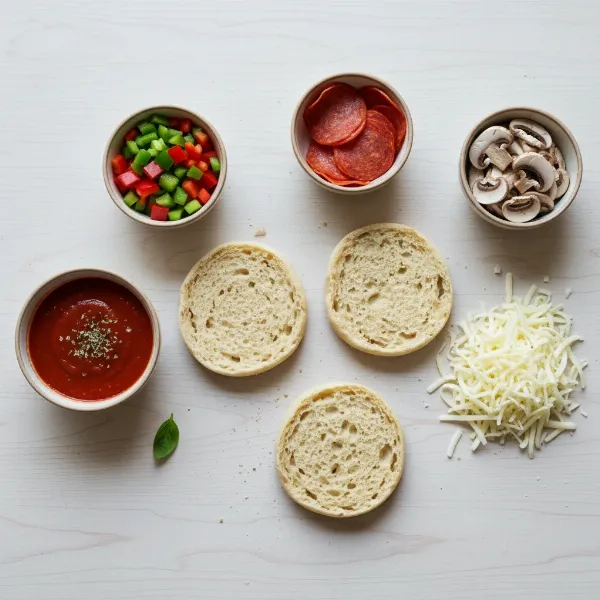 Essential ingredients laid out for skillet English muffin pizzas, including split muffins, sauce, cheese, and toppings.
Step-by-Step: Crafting English Muffin Pizzas in Your Skillet
Making English muffin pizzas in a skillet is surprisingly straightforward. Follow these steps for a perfect, crispy finish.
Preparing Your English Muffins: The Crispy Foundation
|
Our Picks for the Best Electric skillet in 2026
As an Amazon Associate I earn from qualifying purchases.
|
||
| Num | Product | Action |
|---|---|---|
| 1 | Elite Gourmet EG6201 Extra Deep 12"x12"x3.2" (7.5Qt.) Scratch Resistant Dishwasher Safe, Non-stick Electric Skillet with Glass Vented Lid, Adjustable Temperature, Black |

|
| 2 | Elite Gourmet EG-6203# Extra Deep 16"x13"x3.2" (10.5Qt.) Scratch Resistant, Easy Pour Spout Dishwasher Safe, Non-stick Electric Skillet with Glass Vented Lid, Adjustable Temperature, Black |
|
| 3 | Elite Gourmet 12"x12"x2.15” Ceralast™ PFAS Free Ceramic Electric Skillet, Dishwasher Safe, Rapid Heat Up, 1200W, Dark Grey |
|
| 4 | Nuwave Medley XL Digital Electric Skillet, Family Size Griddle w/Glass Lid, 2025 New & Improved Precision Heating, 100°-425°F, PFAS Free G11 Nonstick Ceramic Coating, Portable Hot Plate, 7qt Capacity |
|
| 5 | Blue Diamond 7QT 5-in-1 Extra Large Electric Skillet, Healthy Ceramic Nonstick Interior, Non-Toxic PFAS-Free, Temperature Control, Stay Cool Handles, Easy Clean, Graphite |
|
| 6 | Elite Gourmet EG808 8” x 8" Non-stick Electric Skillet, Dishwasher Safe with Tempered Glass Vented Lid, Rapid Heat Up, 600W, Black |
|
| 7 | Presto 06857 16-inch Electric Foldaway Skillet, Black |
|
| 8 | bella Make & Take Electric Skillet, Fits-anywhere™ kitchenware, EverGood™ Ceramic Coating, Adjustable Temperature & Dishwasher-Safe Tempered Glass Lid, Cast Aluminum Base, 1200 Watt, Oatmilk |
|
| 9 | Pioneer Woman 3.5L Electric Skillet, Linen Speckle |
|
| 10 | FOHERE 16-Inch Electric Skillet with Glass Cover, 1500W Rapid Heat, Adjustable Temperature, Multi-Purpose Electric Skillet Fried Chicken, Perfect For Family Gathering Cooking |
|
The secret to a non-soggy, satisfying English muffin pizza lies in preparing the base correctly.
- Split the Muffins: Use a fork to gently split your English muffins in half. This creates a textured surface that becomes wonderfully crispy.
- Pre-toast in the Skillet: This is a crucial step for preventing a soggy crust. Place your skillet over medium-low heat (or set your electric skillet to around 300-325°F). Add a light drizzle of olive oil or a quick spray of cooking oil. Place the English muffin halves, cut-side down, in the skillet.
- Toast to Golden: Cook for 2-3 minutes until the cut side is lightly golden brown and slightly crisp. This forms a barrier against the sauce, ensuring your pizza stays firm. Remove the toasted halves from the skillet.
Assembling Your Mini Masterpieces
Now comes the fun part – building your pizzas!
- Sauce Sparingly: Spread a thin layer of pizza sauce over the toasted side of each English muffin half. Over-saucing can lead to a soggy pizza, even with pre-toasting.
- Layer with Cheese: Sprinkle a generous amount of shredded mozzarella cheese over the sauce. The cheese acts as a barrier for the toppings.
- Add Your Favorite Toppings: Distribute your chosen toppings evenly over the cheese. If using larger toppings like pepperoni, consider cutting them into smaller pieces for better coverage and easier eating. Avoid overloading, as too many toppings can make the pizza difficult to cook evenly and handle.
The Skillet Sizzle: Cooking to Perfection
This is where the magic happens, turning your assembled muffins into hot, bubbly pizzas.
- Prepare the Skillet: Return your skillet to medium-low heat (or set your electric skillet to approximately 325-350°F). Add another light drizzle of olive oil or cooking spray if needed.
- Place Pizzas: Carefully place the assembled English muffin pizzas into the hot skillet. Do not overcrowd the pan; cook in batches if necessary to ensure even heating and melting.
- Cover and Cook: Crucially, cover the skillet with a lid. The trapped steam helps melt the cheese thoroughly without burning the bottom crust. Cook for 5-8 minutes, or until the cheese is completely melted and bubbly, and the English muffin crust is a deep golden brown and crispy on the bottom.
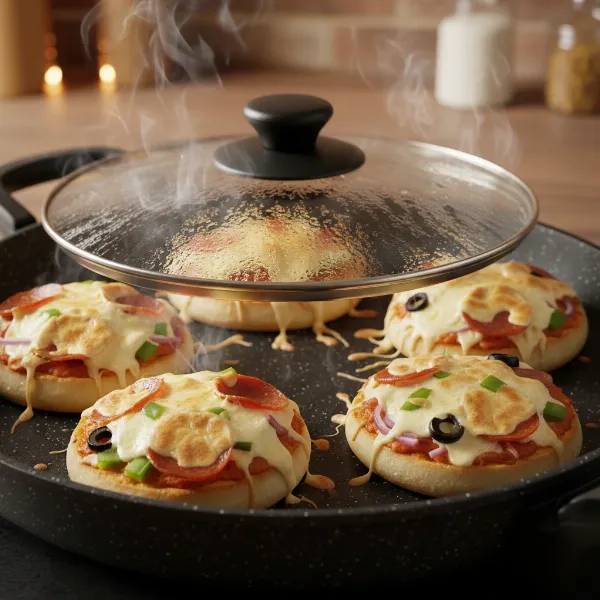 English muffin pizzas cooking in a hot skillet with melted, bubbly cheese and a crispy golden crust.
Knowing When They’re Done
You’ll know your English muffin pizzas are ready when:
- The cheese is fully melted and glistening.
- The toppings are heated through and, if applicable, lightly browned (e.g., pepperoni edges curling).
- The English muffin base is visibly crispy and golden brown when lifted with a spatula.
Expert Tips for Impeccable Skillet English Muffin Pizzas
As an electric skillet enthusiast, I can attest to the precision and performance these appliances bring to dishes like English muffin pizzas. Here are some expert tips to ensure your skillet pizzas are always perfect:
- Even Heat Distribution: Electric skillets excel at maintaining a consistent temperature across the entire cooking surface, which is ideal for evenly crisping the English muffin base and melting cheese. Avoid cold spots by allowing your electric skillet to fully preheat before adding the muffins.
- Don’t Rush the Toasting: The initial pre-toasting of the English muffins is vital. Take your time on a medium-low heat to achieve a truly golden and firm base. This prevents sogginess and contributes to a satisfying crunch.
- The Power of the Lid: A tight-fitting lid is your best friend when cooking pizza in a skillet. It creates a mini-oven effect, trapping heat and moisture to quickly melt the cheese and warm the toppings without burning the bottom of the muffin.
- Monitor Temperature: If using a conventional skillet on a stovetop, keep the heat at medium-low to medium. Too high, and the bottom will burn before the cheese melts. Too low, and you’ll get a soggy crust. An electric skillet simplifies this with its precise temperature control.
- Mind the Toppings: While it’s tempting to pile on the toppings, remember that less is often more with these mini pizzas. Heavier or wetter toppings can make the pizza harder to cook through and result in a less crispy finish.
- Serve Immediately: For the best experience, enjoy your skillet English muffin pizzas right after they’re cooked, when the crust is at its crispiest and the cheese is still wonderfully gooey.
“The versatility and convenience of an electric skillet make it an underrated tool for quick meals. For English muffin pizzas, its consistent heat can give you a crispier crust than an oven, hands down.” – Admin, electricskilletguide.com
Beyond Pepperoni: Creative Topping Combinations
English muffin pizzas are a fantastic canvas for culinary creativity. Here are some inspiring topping ideas to elevate your skillet pizzas:
- Breakfast Pizza: Scrambled egg, cooked bacon or sausage bits, cheddar cheese, and a drizzle of hot sauce.
- Mediterranean Delight: Pesto sauce, feta cheese, Kalamata olives, diced tomatoes, and a sprinkle of fresh oregano.
- BBQ Chicken: Shredded cooked chicken, BBQ sauce instead of pizza sauce, red onion, and Monterey Jack cheese.
- Veggie Supreme: Green bell peppers, mushrooms, onions, black olives, and a mix of mozzarella and provolone.
- Sweet & Savory: Prosciutto, fig jam (instead of pizza sauce), goat cheese, and a drizzle of balsamic glaze after cooking.
Skillet vs. Oven: When to Choose Your Pan
While most English muffin pizza recipes call for an oven, the skillet method offers distinct advantages, making it a viable and often superior alternative for specific needs. The oven is excellent for baking a large batch simultaneously, achieving an overall even crispness. However, the skillet shines for speed, energy efficiency, and achieving an exceptionally crispy bottom crust, thanks to direct heat contact. If you’re making just a few pizzas or prefer a truly crunchy base, your skillet, especially an electric one, is the undisputed champion. It’s also a fantastic option for dorm rooms or small apartments without an oven.
Cleaning and Maintaining Your Skillet After Pizza Night
After enjoying your delicious skillet English muffin pizzas, proper cleaning and maintenance will ensure your pan is ready for its next culinary adventure.
Vệ sinh và Bảo quản (Cleaning and Storage)
- Cool Down First: Always allow your skillet to cool completely before cleaning. Thermal shock can damage some non-stick coatings or warp metal pans.
- Easy Cleanup for Non-Stick: For non-stick skillets, a soft sponge, warm water, and a mild dish soap are usually sufficient. Avoid abrasive scrubbers that can scratch the surface.
- For Cast Iron: If you used a cast iron skillet, scrape off any food residue with a spatula, then rinse with hot water. For stubborn bits, use a stiff brush, but avoid harsh soap which can strip the seasoning. Lightly re-oil after drying thoroughly to maintain the seasoning.
- Electric Skillet Care: For electric skillets with a removable control probe, ensure the probe is detached and the skillet is fully unplugged and cooled before submerging the pan in water or placing it in the dishwasher (if parts are dishwasher safe, check your manual). Wipe the control unit with a damp cloth only.
- Proper Storage: Store your skillet in a dry place. If stacking, place a paper towel or soft cloth between pans to prevent scratches.
Conclusion
Making English muffin pizzas in a skillet is a revelation for anyone seeking a quick, customizable, and incredibly satisfying meal or snack. The direct heat of the pan delivers a uniquely crispy crust, while the convenience of stovetop cooking makes it an ideal choice for busy individuals and families. By following these simple steps and tips, you can transform everyday English muffins into personal pizza perfection with minimal effort. So, next time a pizza craving strikes, don’t just think oven – reach for your skillet and experience the delicious difference. What exciting topping combination will you try first in your skillet?
Frequently Asked Questions
Can I use any type of skillet for English muffin pizzas?
Yes, you can use various types of skillets, including non-stick, cast iron, or an electric skillet. Non-stick pans are great for easy release, while cast iron can provide an exceptionally crispy crust. An Electric Skillet offers precise temperature control for consistent results.
How do I prevent the English muffin from getting soggy in the skillet?
The key is to pre-toast the English muffin halves in the skillet with a little olive oil until they are lightly golden brown and firm before adding sauce and toppings. This creates a barrier that prevents the sauce from soaking into the bread.
Should I cover the skillet when cooking English muffin pizzas?
Yes, covering the skillet with a lid is highly recommended. The lid traps heat and steam, which helps the cheese melt quickly and thoroughly without overcooking or burning the bottom of the English muffin.
How long does it take to cook English muffin pizzas in a skillet?
After assembly, cooking typically takes about 5-8 minutes in a covered skillet over medium-low to medium heat. The exact time depends on your skillet and desired crispness, but watch for melted, bubbly cheese and a golden-brown crust.
Can I make these pizzas in advance?
You can prepare the English muffin halves (split and lightly toasted) in advance. However, it’s best to assemble and cook the pizzas right before serving to ensure the crispiest crust and freshest taste. Reheating previously cooked pizzas can sometimes lead to a softer crust.