Let’s be honest, we all have those moments. You open the fridge, see a random assortment of vegetables, a bit of leftover chicken, and a carton of eggs. Your first thought might be scrambled eggs, again. But what if I told you that you could transform those humble ingredients into a stunning, fluffy, and incredibly delicious meal? Today, I’m going to show you How To Make A Frittata, and more importantly, how your trusty electric skillet is the secret weapon to making it absolutely foolproof.
Forget about juggling pans from the stovetop to the oven. The electric skillet, with its consistent, controlled heat, is a game-changer for egg dishes. It provides the perfect environment to cook your frittata gently and evenly, resulting in a tender, custard-like texture that’s impossible to resist. Ready to turn your kitchen into your favorite brunch spot? Let’s dive in.
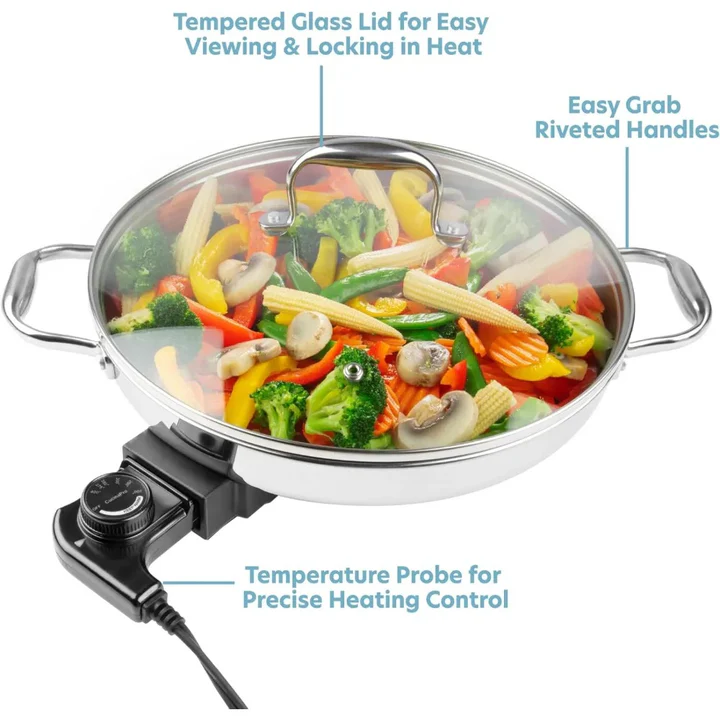
Why an Electric Skillet is Your Frittata’s Best Friend
Before we get to the recipe, you might be wondering, “Why not just use a regular pan?” It’s a fair question. While you can make a frittata in a standard oven-safe skillet, using an electric skillet offers some serious advantages that make the process easier and the results more consistent.
- Unbeatable Temperature Control: This is the big one. The number one enemy of a good frittata is unpredictable heat. Too hot, and you get a rubbery, browned bottom with an undercooked center. Too low, and it takes forever. An electric skillet allows you to set a precise temperature and keep it there. This “low and slow” approach is the key to a creamy, perfectly set frittata.
- Even Heat Distribution: Electric skillets are engineered to heat the entire surface evenly. There are no hot spots, which means your frittata cooks uniformly from edge to edge. No more worrying about one side being more done than the other.
- The Perfect Lid: Most electric skillets come with a tight-fitting lid, often with a vent. This is crucial. The lid traps steam and heat, helping the top of the frittata cook through without needing to go into an oven. It’s a one-pan wonder!
- Generous Size and Depth: Electric skillets are typically deeper than standard frying pans, allowing you to make a thick, substantial frittata packed with fillings without any risk of overflow.
|
Our Picks for the Best Electric Skillet in 2026
As an Amazon Associate, we earn from qualifying purchases.
|
||
| Num | Product | Action |
|---|---|---|
| 1 | Crux Extra Deep Nonstick Scratch Resistant Electric Skillet with Removeable Temperature Probe, 12\" x 12\", silver (14620) |

|
| 2 | Elite Gourmet 12\" x 12\" x 3” Ceralast™ Ceramic Non-stick PFAS Free, Dishwasher Safe Electric Skillet, Xtra Deep Dish, Rapid Heat 1200W, Black |
|
| 3 | BLACK+DECKER Electric Skillet, Variable Temperature Control, Nonstick Cooking Surface, Dishwasher Safe, Tempered Glass Lid, 12\"x15\" |
|
| 4 | Elite Gourmet EG808 8” x 8\" Non-stick Electric Skillet, Dishwasher Safe with Tempered Glass Vented Lid, Rapid Heat Up, 600W, Black |
|
| 5 | Presto 06852 16-Inch Electric Skillet with Glass Cover |
|
| 6 | Presto 06857 16-inch Electric Foldaway Skillet, Black |
|
| 7 | Presto 07117 12\" Electric Skillet with glass cover |
|
| 8 | Chefman XL Electric Griddle with Removable Temperature Control, Immersible Flat Top Grill, Burger, Eggs, Pancake Griddle, Nonstick Extra Large Cooking Surface, Slide Out Drip Tray, 10 x 20 Inch |
|
| 9 | Elite Gourmet EG-6203# Extra Deep 16\"x13\"x3.2\" (10.5Qt.) Scratch Resistant, Easy Pour Spout Dishwasher Safe, Non-stick Electric Skillet with Glass Vented Lid, Adjustable Temperature, Black |
|
| 10 | bella Make & Take Electric Skillet, Fits-anywhere™ kitchenware, EverGood™ Ceramic Coating, Adjustable Temperature & Dishwasher-Safe Tempered Glass Lid, Cast Aluminum Base, 1200 Watt, Surf |
|
The Anatomy of a Perfect Frittata: Core Ingredients
A frittata is wonderfully versatile, more of a method than a strict recipe. Think of it as a blank canvas. However, there are a few core components you’ll need to get right.
The Eggs: Your Fluffy Foundation
The star of the show! For a standard 10 or 12-inch electric skillet, you’ll want to use between 8 and 12 large eggs. The key is to whisk them just enough to combine the yolks and whites. Do not over-whisk! Over-whisking incorporates too much air, which can actually make the frittata collapse and become tough after cooking. We’re aiming for tender, not a bouncy soufflé.
The Dairy: Creaminess is Key
Adding a bit of dairy is essential for a rich, creamy texture. You have options here:
- Heavy Cream or Half-and-Half: For the most luxurious and decadent frittata. About 1/2 cup is plenty.
- Whole Milk: A great everyday option that still provides lovely creaminess.
- Sour Cream or Full-Fat Yogurt: These add a wonderful tangy flavor and a dense, moist texture.
The Fillings: Get Creative!
This is where the fun begins. A good rule of thumb is to aim for about 2 to 3 cups of fillings in total. Make sure all your ingredients are cooked before you add the eggs.
- Vegetables: Onions, bell peppers, mushrooms, spinach, kale, broccoli, asparagus, zucchini. Sauté them right in the electric skillet first.
- Protein: Cooked bacon, sausage, ham, shredded chicken, or prosciutto.
- Cheese: Gruyère, cheddar, feta, goat cheese, or Parmesan are all fantastic. You can stir some into the egg mixture and sprinkle more on top.
- Herbs & Seasonings: Fresh parsley, chives, dill, or basil can be stirred into the eggs. And don’t forget salt and pepper!
According to culinary equipment expert, Amelia Harding, “The secret to a great frittata isn’t a complicated recipe, but a reliable tool. An electric skillet removes the guesswork of temperature management, which is where most home cooks go wrong with egg dishes.”
How to Make a Frittata in an Electric Skillet: Step-by-Step
Ready to cook? Here’s a simple, step-by-step guide to frittata perfection using your electric skillet.
- Prep Your Ingredients: Chop your vegetables, cook your meats, and shred your cheese. Having everything ready to go (the classic mise en place) makes the process smooth and stress-free.
- Preheat Your Skillet: Plug in your electric skillet and set the temperature to around 275-300°F (135-150°C). Add a tablespoon of butter or oil and let it heat up.
- Sauté Your Fillings: Add your harder vegetables first (like onions and peppers) and cook until softened, about 5-7 minutes. If you’re using leafy greens like spinach, add them last and cook just until they wilt. Spread the cooked fillings evenly across the bottom of the skillet.
- Prepare the Egg Mixture: In a large bowl, crack your eggs. Add your dairy of choice, salt, pepper, and any fresh herbs. Whisk gently until the yolks are broken and everything is just combined. Remember, no frantic whipping! Stir in about half of your cheese.
- Combine and Cook: Pour the egg mixture slowly and evenly over the fillings in the skillet. Use a spatula to make sure the fillings are evenly distributed. Sprinkle the remaining cheese over the top.
- Cover and Cook Low and Slow: Place the lid on the electric skillet. Keep the temperature at that gentle 275-300°F. Now, walk away. Let it cook for 20-30 minutes. The time will vary based on the size of your skillet and the number of eggs.
- Check for Doneness: The frittata is ready when the edges are set and the center is almost set—it should have a very slight jiggle. It will continue to cook from residual heat after you turn the skillet off.
- Rest and Serve: Turn off and unplug the skillet. Let the frittata rest in the skillet with the lid on for another 5-10 minutes. This step is non-negotiable! It allows the center to finish setting up perfectly. To serve, you can either cut wedges directly from the skillet or carefully slide the entire frittata onto a cutting board.
Troubleshooting Common Frittata Fails
Even with a foolproof method, things can sometimes go sideways. Here’s how to fix common issues.
- Why is my frittata rubbery? You likely cooked it at too high a temperature or for too long. The beauty of how to make a frittata in an electric skillet is the precise temperature control. Stick to a low setting for a tender result.
- Why is my frittata watery? This usually happens when you use watery vegetables (like tomatoes or zucchini) without cooking them down enough first. Sautéing your veggies drives off excess moisture, preventing a soggy frittata.
- Why did my frittata stick to the pan? Ensure your skillet is well-oiled or buttered before you start. This is less of an issue with modern non-stick electric skillets, but it never hurts to add a little fat for flavor and insurance.
Frequently Asked Questions (FAQ)
Q: What is the difference between a frittata and an omelet?
A: The main difference is in the preparation. An omelet is cooked quickly over higher heat and is folded around its fillings. A frittata has its fillings mixed in with the eggs and is cooked slowly over low heat, uncovered then covered, and is served open-faced in wedges.
Q: Can I make a frittata without cheese?
A: Absolutely! If you’re dairy-free, you can skip the cheese and use an unsweetened milk alternative like almond or soy milk in the egg mixture. The texture will be slightly different, but still delicious.
Q: What is the best temperature for cooking a frittata in an electric skillet?
A: The ideal temperature is between 275°F and 300°F (135-150°C). This low, gentle heat is the key to cooking the eggs evenly without making them tough.
Q: How do I store and reheat leftover frittata?
A: Store leftover frittata in an airtight container in the refrigerator for up to 3 days. You can enjoy it cold, at room temperature, or reheated. The best way to reheat is in a microwave for 30-60 seconds or for a few minutes in a toaster oven.
Q: Why did my beautiful, puffy frittata deflate?
A: A little deflating is normal as it cools. However, if it collapses dramatically, you may have over-whisked the eggs. Whisking just until combined prevents the formation of an unstable air bubble structure.
Your New Favorite Go-To Meal
There you have it. The electric skillet truly simplifies the process, taking the stress out of making this elegant and satisfying dish. It’s perfect for a weekend brunch, a quick weeknight dinner, or even meal-prepping for the week ahead. By mastering this one simple technique, you’ve unlocked an endless world of flavor combinations.
Now that you know exactly how to make a frittata that will wow everyone, it’s your turn. We’d love to hear about your creations! What are your favorite filling combinations? Share your experiences in the comments below.