Let’s talk about a universal truth: a plate of perfectly fried chicken is one of life’s greatest pleasures. That crispy, golden-brown skin giving way to juicy, tender meat… it’s comfort food at its absolute finest. But achieving that perfection at home can feel like a culinary gamble. That’s where I come in. I’m going to show you How To Fry Chicken In An Electric Skillet, transforming it from a messy, unpredictable task into a simple, repeatable triumph. Forget the guesswork of a stovetop; your electric skillet is about to become your secret weapon for the best fried chicken you’ve ever made.
For years, I thought my cast iron pan was the only way. But once I embraced the electric skillet, my fried chicken game changed forever. The level of control is simply unmatched, and today, I’m sharing all my secrets with you.
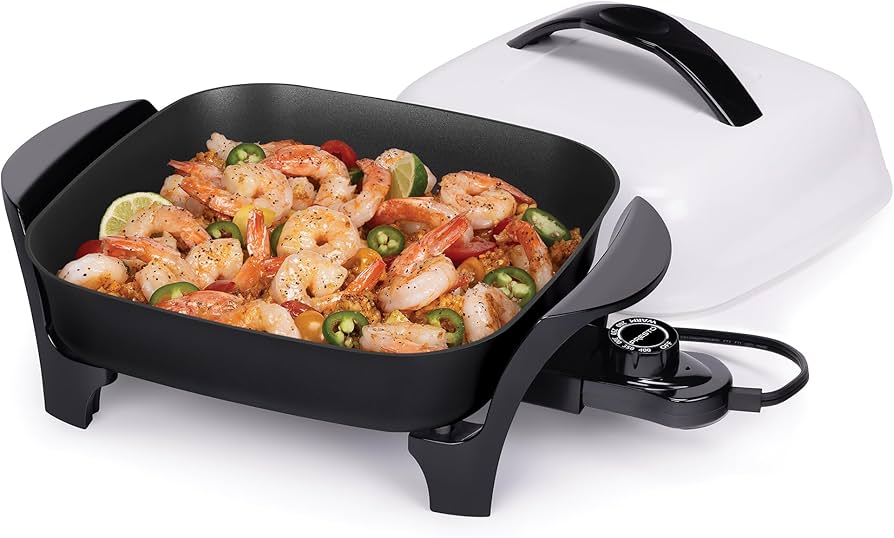
Why Your Electric Skillet is a Fried Chicken Game-Changer
Before we roll up our sleeves and get to the dredging, let’s talk about why the electric skillet is the unsung hero of this story. If you’ve ever battled with hot spots on your stove, oil that’s suddenly smoking, or chicken that’s burnt on the outside and undercooked on the inside, you’ll appreciate this.
- Unbeatable Temperature Control: This is the big one. An electric skillet has a built-in thermostat. You set it to 350°F, and it stays at 350°F. It cycles on and off to maintain that precise temperature, which is absolutely crucial for frying. No more frantically adjusting the burner.
- Even Heat Distribution: The heating element in most electric skillets runs across the entire base, eliminating the hot and cold spots common on many stovetops. This means every piece of chicken fries at the same rate, ensuring consistent, even browning.
- Deep, Straight Sides: Most electric skillets are deeper than a standard frying pan. This is a massive advantage for two reasons: it contains oil splatter, keeping your countertop (and you!) cleaner and safer, and it allows for a generous amount of oil without the risk of it boiling over.
- Portability and Convenience: Need an extra “burner” during a big holiday meal? You can set up your electric skillet on any stable, heat-safe surface. It’s a self-contained frying station.
“The single biggest mistake home cooks make when frying is inconsistent oil temperature,” says Chef Amelia Harding, a culinary instructor and restaurant consultant. “An electric skillet takes that variable out of the equation. It’s like having a dedicated deep fryer with the versatility of a pan. It’s the key to consistently crispy, perfectly cooked chicken.”
Gearing Up: What You’ll Need
Getting your station ready is half the battle. Having everything within arm’s reach makes the process smooth and enjoyable.
The Hardware
- An Electric Skillet: The star of the show! A model with a sturdy lid and a non-stick surface is ideal.
- Tongs: Long-handled tongs are your best friend for safely placing and turning the chicken.
- Wire Rack: Essential for letting the chicken drain and rest. Placing it directly on paper towels will trap steam and make the skin soggy.
- Instant-Read Thermometer: The only foolproof way to know for sure if your chicken is cooked through.
The Ingredients
- Chicken: A whole chicken cut into 8 pieces (2 drumsticks, 2 thighs, 2 wings, 2 breasts cut in half) is classic. Bone-in, skin-on pieces yield the juiciest results.
- For the Dredge:
- 2 cups all-purpose flour
- 2 tablespoons cornstarch (for extra crispiness!)
- 2 teaspoons salt
- 1 teaspoon black pepper
- 1 teaspoon paprika
- 1/2 teaspoon garlic powder
- 1/2 teaspoon onion powder
- For the Wet Mixture:
- 1 1/2 cups buttermilk
- 1 large egg, beaten
- Frying Oil: About 4-6 cups of a neutral oil with a high smoke point. Peanut, canola, or vegetable oil are excellent choices.
The Main Event: How to Fry Chicken in an Electric Skillet (Step-by-Step)
Alright, it’s time to make some magic. Follow these steps, and you’ll be pulling out perfectly golden pieces of chicken that will make you proud.
- Prep the Chicken (Don’t Skip This!): For truly tender and flavorful chicken, a quick brine or soak is key. Simply place your chicken pieces in a large bowl and cover them with buttermilk. Let them soak in the refrigerator for at least 30 minutes, or up to 4 hours. This tenderizes the meat and helps the flour coating stick.
- Set Up Your Dredging Station: Get two shallow dishes or pie plates. In the first one, whisk together the flour, cornstarch, and all the spices. In the second, whisk the egg into your remaining buttermilk (if you didn’t use it all for soaking).
- Heat Things Up: Pour your oil into the electric skillet. You’re looking for a depth of about 1/2 to 3/4 of an inch—enough to come halfway up the chicken pieces. Put the lid on and set the temperature to 360°F (182°C). Letting it preheat with the lid on helps it get to temperature faster and more evenly.
- Dredge Like a Pro: Take a piece of chicken from the buttermilk, letting any excess drip off. Dip it into the flour mixture, ensuring it’s completely coated. For an extra-crispy crust, dip it back into the buttermilk mixture and then again into the flour. Place the coated piece on a clean plate or wax paper. Repeat with all pieces.
- Time to Fry: Once your skillet indicates it has reached temperature, carefully use your tongs to place the chicken pieces into the hot oil, skin-side down. Do not overcrowd the pan! This is a critical rule. Overcrowding drops the oil temperature and steams the chicken instead of frying it. Work in two batches if necessary. Place the darker meat (thighs and drumsticks) in first, as they take longer to cook.
- Fry and Flip: Fry the first side for about 6-8 minutes, or until it’s a deep golden brown. Use your tongs to carefully flip each piece. Now, cover the skillet with the lid, but leave it vented or slightly ajar. This traps some heat to help cook the chicken through without trapping so much steam that it ruins your crispy skin.
- Cook to Perfection: Continue cooking the second side for another 6-8 minutes. The total cooking time will be around 12-18 minutes, depending on the size of the pieces. The most reliable way to check for doneness is with an instant-read thermometer. The internal temperature should be 165°F (74°C) when inserted into the thickest part of the meat, avoiding the bone.
- Drain and Rest: As each piece is perfectly cooked, remove it from the skillet and place it on your wire rack. Let it rest for at least 5-10 minutes before serving. This allows the juices to redistribute throughout the meat, ensuring a moist and delicious result.
|
Our Picks for the Best Electric Skillet in 2026
As an Amazon Associate, we earn from qualifying purchases.
|
||
| Num | Product | Action |
|---|---|---|
| 1 | BLACK+DECKER Electric Skillet, Variable Temperature Control, Nonstick Cooking Surface, Dishwasher Safe, Tempered Glass Lid, 12\"x15\" |

|
| 2 | Presto 06852 16-Inch Electric Skillet with Glass Cover |
|
| 3 | Crux Extra Deep Nonstick Scratch Resistant Electric Skillet with Removeable Temperature Probe, 12\" x 12\", silver (14620) |
|
| 4 | Elite Gourmet EG808 8” x 8\" Non-stick Electric Skillet, Dishwasher Safe with Tempered Glass Vented Lid, Rapid Heat Up, 600W, Black |
|
| 5 | Chefman XL Electric Griddle with Removable Temperature Control, Immersible Flat Top Grill, Burger, Eggs, Pancake Griddle, Nonstick Extra Large Cooking Surface, Slide Out Drip Tray, 10 x 20 Inch |
|
| 6 | Presto 07117 12\" Electric Skillet with glass cover |
|
| 7 | Elite Gourmet EG-6203# Extra Deep 16\"x13\"x3.2\" (10.5Qt.) Scratch Resistant, Easy Pour Spout Dishwasher Safe, Non-stick Electric Skillet with Glass Vented Lid, Adjustable Temperature, Black |
|
| 8 | Presto 06857 16-inch Electric Foldaway Skillet, Black |
|
| 9 | Elite Gourmet 12\" x 12\" x 3” Ceralast™ Ceramic Non-stick PFAS Free, Dishwasher Safe Electric Skillet, Xtra Deep Dish, Rapid Heat 1200W, Black |
|
| 10 | bella Make & Take Electric Skillet, Fits-anywhere™ kitchenware, EverGood™ Ceramic Coating, Adjustable Temperature & Dishwasher-Safe Tempered Glass Lid, Cast Aluminum Base, 1200 Watt, Surf |
|
What’s the Best Temperature to Fry Chicken in an Electric Skillet?
The best temperature to fry chicken in an electric skillet is between 350°F and 365°F (175°C to 185°C). This temperature is hot enough to create a crispy, golden-brown crust quickly, sealing in the juices, but not so hot that the outside burns before the inside is fully cooked.
Maintaining this temperature is where the electric skillet truly shines. If you set it to 360°F, you can trust it to stay there, giving you a major advantage over the fluctuating heat of a stovetop burner.
Common Mistakes to Avoid When Frying Chicken
Even with a great tool like an electric skillet, a few common slip-ups can happen. Here’s what to watch out for:
- Not Preheating Properly: Adding chicken to oil that isn’t hot enough is the #1 cause of greasy, soggy chicken. The food will just soak up the oil instead of sizzling in it. Let your skillet come fully up to temperature first.
- Overcrowding the Pan: We mentioned it before, but it bears repeating. Frying is a science of heat transfer. Too much chicken at once drastically lowers the oil’s temperature, leading to a steamed, pale crust. Give your chicken some personal space!
- Flipping Too Soon or Too Often: Let the chicken be. Give it time to form a solid, golden crust on the first side before you even think about touching it. Constant fussing can tear off the beautiful coating you worked so hard to create.
Frequently Asked Questions
Q: Can I use boneless, skinless chicken?
A: Absolutely! The process is the same, but the cooking time will be significantly shorter. Aim for 5-7 minutes per side, and always check for an internal temperature of 165°F.
Q: How much oil do I really need in my electric skillet?
A: You’re aiming for pan-frying, not deep-frying. A depth of about 1/2 to 3/4 of an inch is perfect. You want the oil to come about halfway up the sides of the chicken pieces when they are lying flat.
Q: How do I know when the chicken is done without a thermometer?
A: The most reliable sign is when the juices run clear after piercing the thickest part with a fork or knife. However, an instant-read thermometer is highly recommended for both food safety and to prevent overcooking and dry chicken.
Q: Can I reuse the frying oil?
A: Yes, you can. Let the oil cool completely in the skillet. Then, strain it through a fine-mesh sieve or cheesecloth into a clean, airtight container. You can typically reuse it 2-3 times. If it smells rancid or looks overly dark, it’s time to discard it.
Q: My chicken skin isn’t getting crispy. What did I do wrong?
A: This is usually caused by one of three things: the oil wasn’t hot enough when you added the chicken, you overcrowded the pan, or you placed the cooked chicken on paper towels instead of a wire rack, which traps steam.
You’re Ready to Be a Fried Chicken Champion
There you have it. The electric skillet isn’t just for pancakes and scrambled eggs; it is a high-performance machine capable of producing some of the best fried chicken you’ll ever eat. By leveraging its precise temperature control and even heating, you remove all the stress and guesswork from the process. Now that you know how to fry chicken in an electric skillet, you can look forward to consistently crispy, juicy, and delicious results every single time. So go ahead, plug in that skillet, and get ready for the applause.