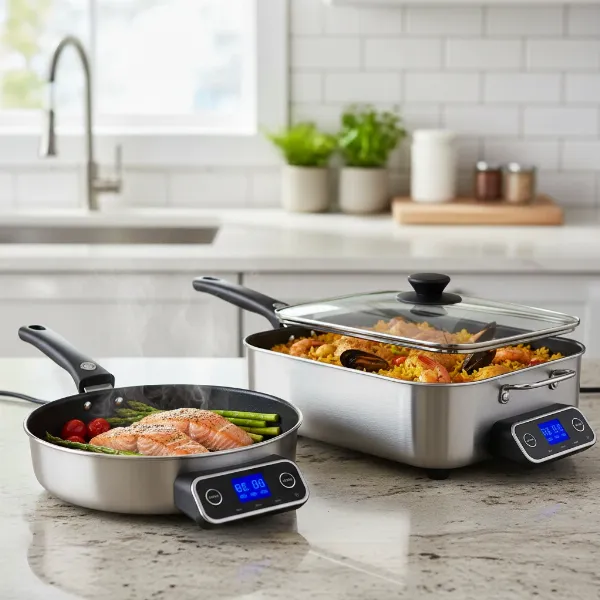
The convenience of an electric skillet is unmatched, offering precise temperature control and even heating for everything from delicate omelets to hearty stews. At the heart of this versatility is often its non-stick coating, a marvel of modern cookware that promises easy food release and effortless cleanup. However, this delicate surface is susceptible to damage, and unknowingly, many home cooks make common mistakes that drastically shorten its lifespan. Understanding these pitfalls is crucial to preserving your electric skillet’s non-stick properties and ensuring it remains a reliable kitchen companion for years to come.
What is an Electric Skillet?
An electric skillet is a versatile countertop appliance, distinct from traditional stovetop pans, featuring its own integrated heating element and temperature control. It serves as a portable cooking solution, ideal for frying, sautéing, simmering, and even baking, making it a staple for many households. The history of electric skillets traces back to the mid-20th century, evolving from basic heating elements to sophisticated models with advanced coatings and digital controls. For many users, the primary appeal lies in its non-stick surface, which facilitates healthier cooking with less oil and makes post-meal cleanup a breeze. Preserving this non-stick quality is paramount to enjoying the full benefits of your electric skillet.
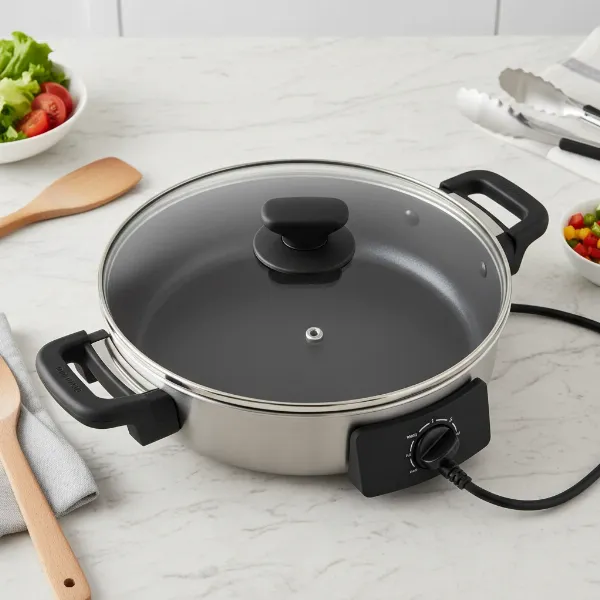 A sleek, modern electric skillet with a prominent non-stick cooking surface, showcasing its integrated heating element and temperature dial.
Advantages and Disadvantages of Electric Skillets
Electric skillets bring numerous benefits to the modern kitchen, but like any appliance, they come with their own set of considerations. Understanding these can help you better appreciate the importance of maintaining its non-stick coating.
Advantages
- Flexibility and Convenience: Electric skillets offer unparalleled flexibility, allowing you to cook virtually anywhere there’s an electrical outlet. This makes them perfect for small kitchens, dorm rooms, or even for serving warm dishes directly at the dining table.
- Precise Temperature Control: Unlike stovetop pans where heat can fluctuate, electric skillets maintain a consistent and easily adjustable temperature. This precision is vital for delicate cooking that relies on steady heat, preventing scorching and preserving the non-stick surface from accidental overheating.
- Space-Saving: For those with limited kitchen space, an electric skillet can often replace several pieces of cookware, consolidating cooking functions into one compact appliance.
- Easy to Clean: The non-stick coating, when properly cared for, makes cleanup exceptionally simple, allowing food residue to slide off with minimal effort.
|
Our Picks for the Best Electric skillet in 2026
As an Amazon Associate I earn from qualifying purchases.
|
||
| Num | Product | Action |
|---|---|---|
| 1 | FOHERE 16-Inch Electric Skillet with Glass Cover, 1500W Rapid Heat, Adjustable Temperature, Multi-Purpose Electric Skillet Fried Chicken, Perfect For Family Gathering Cooking |

|
| 2 | Pioneer Woman 3.5L Electric Skillet, Linen Speckle |
|
| 3 | Presto 06857 16-inch Electric Foldaway Skillet, Black |
|
| 4 | Nuwave Medley XL Digital Electric Skillet, Family Size Griddle w/Glass Lid, 2025 New & Improved Precision Heating, 100°-425°F, PFAS Free G11 Nonstick Ceramic Coating, Portable Hot Plate, 7qt Capacity |
|
| 5 | Elite Gourmet EG6201 Extra Deep 12"x12"x3.2" (7.5Qt.) Scratch Resistant Dishwasher Safe, Non-stick Electric Skillet with Glass Vented Lid, Adjustable Temperature, Black |
|
| 6 | Elite Gourmet 12"x12"x2.15” Ceralast™ PFAS Free Ceramic Electric Skillet, Dishwasher Safe, Rapid Heat Up, 1200W, Dark Grey |
|
| 7 | Elite Gourmet EG-6203# Extra Deep 16"x13"x3.2" (10.5Qt.) Scratch Resistant, Easy Pour Spout Dishwasher Safe, Non-stick Electric Skillet with Glass Vented Lid, Adjustable Temperature, Black |
|
| 8 | bella Make & Take Electric Skillet, Fits-anywhere™ kitchenware, EverGood™ Ceramic Coating, Adjustable Temperature & Dishwasher-Safe Tempered Glass Lid, Cast Aluminum Base, 1200 Watt, Oatmilk |
|
| 9 | Blue Diamond 7QT 5-in-1 Extra Large Electric Skillet, Healthy Ceramic Nonstick Interior, Non-Toxic PFAS-Free, Temperature Control, Stay Cool Handles, Easy Clean, Graphite |
|
| 10 | Elite Gourmet EG808 8” x 8" Non-stick Electric Skillet, Dishwasher Safe with Tempered Glass Vented Lid, Rapid Heat Up, 600W, Black |
|
Disadvantages
- Limited Mobility: While portable in function, the need for an electrical outlet somewhat restricts where you can use an electric skillet compared to traditional cookware.
- Requires Power Source: It is dependent on electricity, meaning it’s not ideal for situations where power is unavailable.
- Not Suitable for All Cooking Methods: While highly versatile, extreme high-heat searing, which some recipes demand, is generally not recommended for non-stick surfaces, potentially limiting certain culinary techniques.
Common Mistakes That Ruin Your Electric Skillet’s Non-Stick Coating
The longevity of your electric skillet’s non-stick coating largely depends on how you use and care for it. Avoiding these common mistakes can significantly extend its life and performance.
Using Metal Utensils and Abrasive Tools
One of the quickest ways to damage a non-stick surface is by using metal spatulas, spoons, or whisks. These can easily scratch, chip, or gouge the delicate coating, creating weak points where food will begin to stick. Similarly, abrasive cleaning pads like steel wool or harsh scouring powders will degrade the surface over time, wearing down the non-stick layer.
Overheating and High Heat Cooking
Non-stick coatings, especially those made with PTFE (polytetrafluoroethylene), are not designed for extremely high temperatures. Exposing your electric skillet to excessive heat can cause the coating to break down, release fumes, and lose its non-stick properties permanently. Even if no immediate damage is visible, consistent high-heat cooking accelerates the degradation process. Always operate your electric skillet within its recommended temperature range, typically low to medium settings.
Improper Cleaning Methods
While non-stick skillets are known for easy cleanup, improper washing can still cause harm. Using harsh detergents, abrasive sponges, or putting your electric skillet in the dishwasher (unless specifically stated as dishwasher-safe by the manufacturer) can strip away the non-stick layer. The high heat and strong chemicals in dishwashers are particularly detrimental to most non-stick finishes.
Thermal Shock
Sudden temperature changes can be catastrophic for your electric skillet’s non-stick coating and even warp the pan’s base. Rinsing a hot skillet with cold water, for instance, can cause the material to contract rapidly, leading to cracks, delamination of the coating, or warping. Always allow your electric skillet to cool down completely before washing.
Preheating an Empty Skillet
Preheating an empty non-stick electric skillet, particularly on a higher setting, can cause it to reach very high temperatures extremely quickly. This rapid and intense dry heat can significantly damage the non-stick coating before any food is even introduced, leading to premature wear and loss of effectiveness.
Using Aerosol Cooking Sprays
While seemingly convenient, aerosol cooking sprays are a hidden enemy of non-stick cookware. These sprays often contain propellants and other ingredients that can accumulate on the non-stick surface, forming a sticky, caramelized residue that is incredibly difficult to remove and can degrade the coating. Over time, this buildup will cause food to stick, negating the pan’s non-stick benefits.
Incorrect Storage Practices
How you store your electric skillet when not in use is also crucial. Stacking other pots, pans, or heavy dishes directly on top of your non-stick surface without a protective barrier can lead to scratches and chips. The slightest abrasion from another piece of cookware can compromise the integrity of the non-stick coating.
How to Choose the Right Electric Skillet for Non-Stick Longevity
Selecting an electric skillet with longevity in mind involves more than just picking a popular brand. Consider these factors to ensure your investment stands the test of time and maintains its non-stick performance.
Consider Coating Type and Durability
Modern non-stick coatings vary widely. While PTFE-based coatings (like Teflon, often PFOA-free today) are common, ceramic non-stick options are also available. Research the specific type of coating and its reputed durability. Some premium coatings incorporate 강화 particle (e.g., titanium, diamond particles) for increased scratch resistance and lifespan.
Look for Precise Temperature Control
An electric skillet with accurate and easy-to-use temperature controls is essential. This allows you to cook within the recommended heat limits for non-stick coatings, preventing accidental overheating which is a primary cause of damage. Digital controls often offer more precision than analog dials.
Evaluate Size and Design for Easy Cleaning
A skillet that is easy to clean will naturally encourage proper maintenance, reducing the likelihood of abrasive scrubbing. Consider skillets with detachable probes and immersion-safe bases, or models with simple, smooth surfaces that are quick to wipe down. A larger cooking surface can also prevent overcrowding, which helps with even cooking and less residue buildup.
Best Practices for Using and Maintaining Your Non-Stick Electric Skillet
With proper care, your non-stick electric skillet can remain a star in your kitchen for many years. Integrating these simple habits into your cooking and cleaning routine will help preserve its non-stick coating.
Initial Use and Seasoning
Before its first use, always read the manufacturer’s instructions. Many non-stick skillets benefit from a simple “seasoning” process: wash, dry, and then rub a small amount of cooking oil (like vegetable or canola oil) over the entire non-stick surface with a paper towel. Heat it on a low setting for a few minutes, then let it cool and wipe away any excess oil. This can help prepare the surface and enhance its non-stick properties.
Gentle Cooking Techniques
- Temperature Control is Key: Always use low to medium heat settings. If you need high heat for a recipe, consider using another type of pan designed for those temperatures.
- Use the Right Utensils: Opt for wooden, silicone, or heat-resistant plastic utensils. These materials are soft enough not to scratch or damage the non-stick surface.
- Add Fats Mindfully: Instead of aerosol sprays, use a small amount of butter, olive oil, or other cooking oils. This not only aids in food release but also helps protect the non-stick coating.
Effective Cleaning and Care
- Cool Down Before Washing: Always allow your electric skillet to cool completely before attempting to clean it. This prevents thermal shock that can damage the coating.
- Hand Wash with Care: The best way to clean your non-stick electric skillet is by hand. Use warm water, a mild dish soap, and a soft sponge or cloth. For stubborn food residue, soak the skillet in warm, soapy water for 15-20 minutes to loosen the particles before gently wiping clean.
- Avoid Abrasives: Steer clear of steel wool, abrasive scouring pads, or harsh chemical cleaners. These will scratch and erode the non-stick surface.
- Dry Thoroughly: After washing, ensure the skillet is completely dry before storing to prevent water spots or potential damage to electrical components.
Smart Storage Solutions
To protect the delicate non-stick surface from scratches during storage, avoid stacking your electric skillet directly with other metal pots and pans. Use pan protectors, felt pads, paper towels, or a soft cloth placed between the skillet and other cookware. This simple step can prevent chips and abrasions that shorten the life of your non-stick coating. Always ensure the power cord and temperature control unit are stored safely, away from moisture and extreme temperatures.
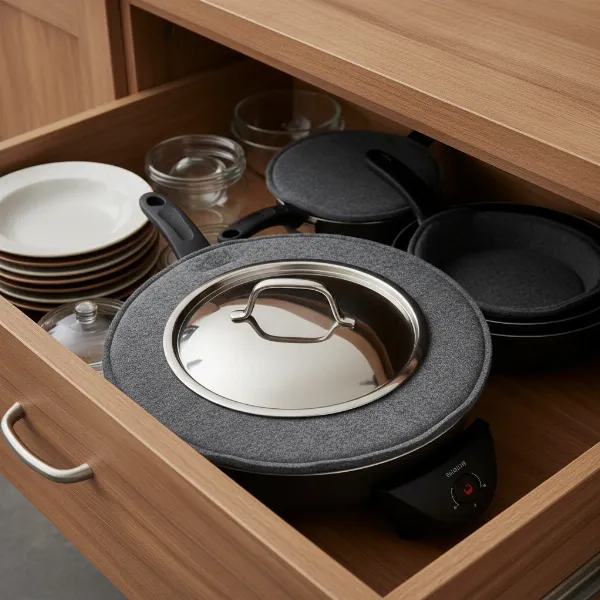 An electric skillet stored with a protective pad between it and another pan, preventing scratches.
Conclusion
Your electric skillet is a valuable kitchen tool, and its non-stick coating is key to its performance and your cooking enjoyment. By understanding and avoiding common mistakes like using metal utensils, excessive heat, abrasive cleaning, and improper storage, you can significantly extend the life of your non-stick surface. Embracing gentle cooking techniques and meticulous care will not only preserve the skillet’s functionality but also ensure healthier meals and easier cleanup for years to come. What simple change will you make today to better protect your electric skillet’s non-stick coating?
Frequently Asked Questions
How long do non-stick electric skillet coatings typically last?
The lifespan of a non-stick coating varies, but with proper care, many Electric Skillets can last 3-5 years or more. Factors like frequency of use, cooking temperatures, and cleaning methods heavily influence durability. Consistent misuse can significantly reduce this lifespan, sometimes to less than a year.
Is it safe to use a non-stick electric skillet if the coating is scratched or peeling?
It is generally not recommended to use a non-stick skillet with scratched, flaking, or peeling coating. While modern non-stick materials are largely considered safe, ingested particles are not ideal. More importantly, a compromised surface means food will stick, and it’s a clear sign the pan’s effectiveness is gone.
Can I re-season my non-stick electric skillet like a cast iron pan?
While some non-stick manufacturers suggest a light initial “seasoning” with oil to enhance performance, it’s not the same extensive re-seasoning process as with cast iron. Once a non-stick coating is significantly damaged (scratched, peeling, or losing its stick-resistance), true re-seasoning to restore its original properties is typically not possible.
Why do some non-stick electric skillets lose their coating faster than others?
Differences in coating quality, pan construction (e.g., thickness and material of the base), and manufacturing processes all play a role. However, user habits, especially consistent overheating, using metal utensils, and improper cleaning, are often the biggest contributors to premature coating failure, even in high-quality skillets.
What are the best utensils to use with a non-stick electric skillet?
For optimal protection of your non-stick coating, always use utensils made from wood, silicone, or heat-resistant plastic. These materials are soft and flexible, preventing scratches and damage to the delicate surface, thus preserving its non-stick properties for longer.