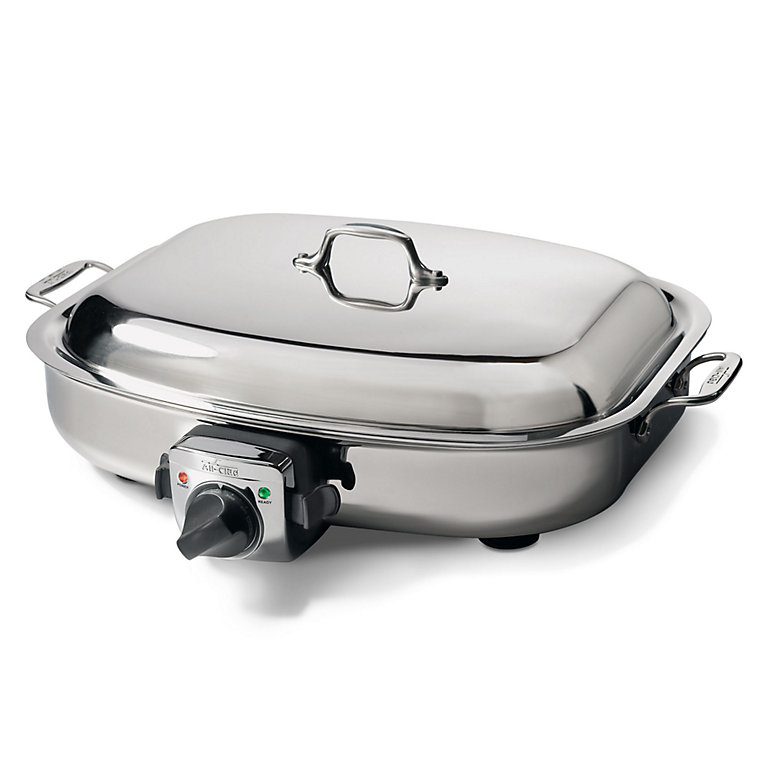
 It’s a heart-sinking moment every home cook knows. You’re washing your trusty electric skillet, the one that’s seen you through countless pancake breakfasts and weeknight stir-fries, and you spot it: a scratch. A chip. A sign that its slick, flawless surface is no longer perfect. The immediate question that pops into your head is, Can The Nonstick Coating Be Repaired? It’s a question we get all the time here at Electric Skillet Guide, and honestly, it’s one I’ve asked myself while staring down at my own battle-scarred cookware.
The short answer, and I’ll be straight with you, is generally no. At least, not in a way that truly restores its original factory finish and safety. But don’t click away just yet. The story is more nuanced than a simple yes or no. Understanding why it can’t be easily fixed is the key to saving your future cookware and knowing exactly what to do with your current skillet. Let’s dive in and get to the bottom of this sticky situation.
The Tough Truth: Why Most Nonstick Repairs Fail
To understand why you can’t just patch up a nonstick surface, we need a quick kitchen science lesson. That slick coating on your electric skillet, usually made of Polytetrafluoroethylene (PTFE), isn’t just painted on. It’s a highly engineered surface applied in multiple layers and cured at extremely high temperatures in a factory setting.
Think of it like the enamel on a car. You can use a touch-up pen for a tiny scratch, but you can’t replicate the smooth, durable finish of the original paint job in your garage. It’s the same principle here.
What About Those DIY Repair Kits and Sprays?
A quick search online will show you a variety of “nonstick repair sprays” or resurfacing kits. They seem like a magic bullet, promising to bring your pan back to life. But here’s the reality: these are temporary, cosmetic fixes at best.
- They Aren’t a True Bond: These sprays create a thin, superficial layer on top of the existing coating. They don’t chemically bond with the metal or the original PTFE in the same way the factory coating does.
- Lack of Durability: Because the bond is weak, these coatings often flake or peel off after just a few uses, especially when exposed to the consistent heat of an electric skillet. You might end up with flakes of repair spray in your food, which is far from ideal.
- Food Safety Concerns: The original coating on your skillet was designed and tested for food safety. A third-party spray from an unknown manufacturer might not meet those same rigorous standards.
As appliance engineer John Carter puts it, “The integrity of a nonstick surface is established during manufacturing. Trying to replicate that high-heat, multi-layer bonding process at home with a spray can is functionally impossible. You’re not repairing the surface; you’re just covering it up temporarily.”
So, Is It Safe to Use a Scratched Electric Skillet?
This is the next logical question, and it’s a critical one. The answer depends on the age of your skillet and the severity of the damage.
Modern nonstick cookware made after 2013 is required to be free of PFOA (Perfluorooctanoic acid), a chemical that raised health concerns in the past. The PTFE coating itself is generally considered inert and non-toxic. If you accidentally ingest a small flake from a modern pan, it will most likely pass through your system without being absorbed.
However, safety isn’t the only factor to consider:
- Performance Plummets: The whole point of a nonstick skillet is that food doesn’t stick! Once scratched, the surface loses its effectiveness. Food will catch on the damaged areas, leading to uneven cooking and a frustrating cleaning process.
- Deep Scratches Expose Metal: If the scratch is deep enough to expose the aluminum or steel underneath, you can have other issues. This exposed metal will heat differently than the coated surface, creating hot spots that can burn your food.
- Flaking is a No-Go: While a tiny scratch might be manageable, if the coating is actively flaking or peeling, it’s time to retire the skillet. No one wants to find black specks of old coating in their scrambled eggs.
Ultimately, while a minor surface scuff on a modern skillet isn’t a major health alarm, a significantly damaged surface means the pan is no longer performing its job and should be replaced.
The Best “Repair” is Prevention: Protecting Your Skillet’s Surface
Since you really can’t turn back the clock on damage, the absolute best strategy is to prevent it from happening in the first place. Treating your electric skillet’s surface with a little TLC will dramatically extend its life. I learned these lessons the hard way, so you don’t have to!
- Use the Right Utensils: This is non-negotiable. Never use metal utensils—no metal spatulas, forks, or knives to cut food directly in the skillet. Stick to silicone, wood, bamboo, or nylon tools. They are gentle on the surface and won’t cause scratches.
- Mind the Heat: Electric skillets are fantastic for temperature control, but cranking it to the max and leaving it empty can degrade the nonstick coating over time. Always have oil, butter, or food in the skillet when heating it up.
- Clean with Care: Avoid abrasive scrubbers like steel wool or harsh scouring pads. A soft sponge or cloth with warm, soapy water is all you need. For stubborn, stuck-on food, let the skillet soak for a bit rather than resorting to aggressive scrubbing.
- Store It Smartly: Don’t stack other pots and pans directly on top of the nonstick surface. If you must stack them, place a soft cloth, a paper towel, or a dedicated pan protector between the layers to prevent scratches.
- Avoid Nonstick Cooking Sprays: This sounds counterintuitive, right? But many cooking sprays contain propellants and additives that can build up on the surface over time, creating a sticky residue that is difficult to remove and can harm the coating. A small amount of oil or butter is a much better choice.
When It’s Time to Say Goodbye: Choosing a New Electric Skillet
Eventually, even the best-cared-for nonstick skillet will reach the end of its life. When performance declines and scratches accumulate, it’s time to invest in a new one. This is an opportunity to upgrade and choose a model that might be even more durable.
Look for electric skillets with reinforced nonstick coatings. Many brands now add materials like titanium or diamond dust to their PTFE mix to create a tougher, more scratch-resistant surface. Ceramic coatings are another excellent alternative, known for their high-heat tolerance and slick performance.
Finding the right replacement is key to continuing your kitchen adventures. For a curated list of top-performing and durable models, you can check out our recommendations.
|
Our Picks for the Best Electric Skillet in 2026
As an Amazon Associate, we earn from qualifying purchases.
|
||
| Num | Product | Action |
|---|---|---|
| 1 | Presto 06857 16-inch Electric Foldaway Skillet, Black |

|
| 2 | BLACK+DECKER Electric Skillet, Variable Temperature Control, Nonstick Cooking Surface, Dishwasher Safe, Tempered Glass Lid, 12\"x15\" |
|
| 3 | Elite Gourmet 12\" x 12\" x 3” Ceralast™ Ceramic Non-stick PFAS Free, Dishwasher Safe Electric Skillet, Xtra Deep Dish, Rapid Heat 1200W, Black |
|
| 4 | Presto 07117 12\" Electric Skillet with glass cover |
|
| 5 | Elite Gourmet EG-6203# Extra Deep 16\"x13\"x3.2\" (10.5Qt.) Scratch Resistant, Easy Pour Spout Dishwasher Safe, Non-stick Electric Skillet with Glass Vented Lid, Adjustable Temperature, Black |
|
| 6 | Elite Gourmet EG808 8” x 8\" Non-stick Electric Skillet, Dishwasher Safe with Tempered Glass Vented Lid, Rapid Heat Up, 600W, Black |
|
| 7 | Chefman XL Electric Griddle with Removable Temperature Control, Immersible Flat Top Grill, Burger, Eggs, Pancake Griddle, Nonstick Extra Large Cooking Surface, Slide Out Drip Tray, 10 x 20 Inch |
|
| 8 | Presto 06852 16-Inch Electric Skillet with Glass Cover |
|
| 9 | bella Make & Take Electric Skillet, Fits-anywhere™ kitchenware, EverGood™ Ceramic Coating, Adjustable Temperature & Dishwasher-Safe Tempered Glass Lid, Cast Aluminum Base, 1200 Watt, Surf |
|
| 10 | Crux Extra Deep Nonstick Scratch Resistant Electric Skillet with Removeable Temperature Probe, 12\" x 12\", silver (14620) |
|
Frequently Asked Questions
Can I recoat my electric skillet myself?
While DIY recoating kits exist, they are not a recommended solution. They provide a temporary, weak layer that is not as durable or food-safe as the original factory-applied coating and can quickly flake off into your food.
What causes nonstick coating to peel?
The most common causes are the use of metal utensils, overheating the skillet while empty, using abrasive cleaning methods like steel wool, and the natural wear and tear that occurs over many years of use and cleaning.
How long should an electric skillet’s nonstick surface last?
With proper care, a good quality nonstick electric skillet should last between 3 to 5 years. Following preventative measures, like using silicone utensils and avoiding harsh cleaning, can significantly extend its lifespan.
Are nonstick repair sprays safe for food contact?
The safety of nonstick repair sprays can be questionable. Unlike the original coating from a reputable manufacturer, these third-party sprays may not have undergone the same rigorous testing to be certified as food-grade and safe for cooking.
Is a small scratch on my nonstick pan dangerous?
On a modern, PFOA-free pan, a small scratch is not considered a significant health danger. The main issue is performance; the scratch will be a spot where food can stick, and it can be the starting point for further peeling or chipping.
The Final Word on Nonstick Repairs
So, let’s circle back to our big question: can the nonstick coating be repaired? For all practical purposes, the answer is no. The available “fixes” are temporary patches that don’t restore the skillet’s original performance or guaranteed safety.
Instead of looking for a repair, the best path forward is to focus on prevention. Treat your nonstick electric skillet with care, and it will reward you with years of faithful service. And when it has served its time and cooked its last meal, you can confidently replace it, armed with the knowledge of how to make its successor last even longer. An electric skillet is a versatile workhorse in the kitchen, and protecting its surface is the number one way to ensure it stays that way.