Let’s be honest, not all of us are working with sprawling, magazine-worthy kitchens. For many, counter space is prime real estate. If you’re a student in a dorm, an apartment dweller, or someone cooking for one or two, finding the Best Small Electric Skillet isn’t just a convenience—it’s a game-changer. It’s about getting maximum culinary power from a minimal footprint. Forget firing up the big stove for a couple of pancakes; this is your go-to gadget for quick, efficient, and delicious meals.
As the culinary advisor here at Electric Skillet Guide, I’ve seen these little workhorses transform small-space cooking. They’re more than just a frying pan you plug in; they’re a versatile tool that can simmer, sauté, braise, and even bake. So, let’s dive in and find the perfect compact companion for your kitchen adventures.
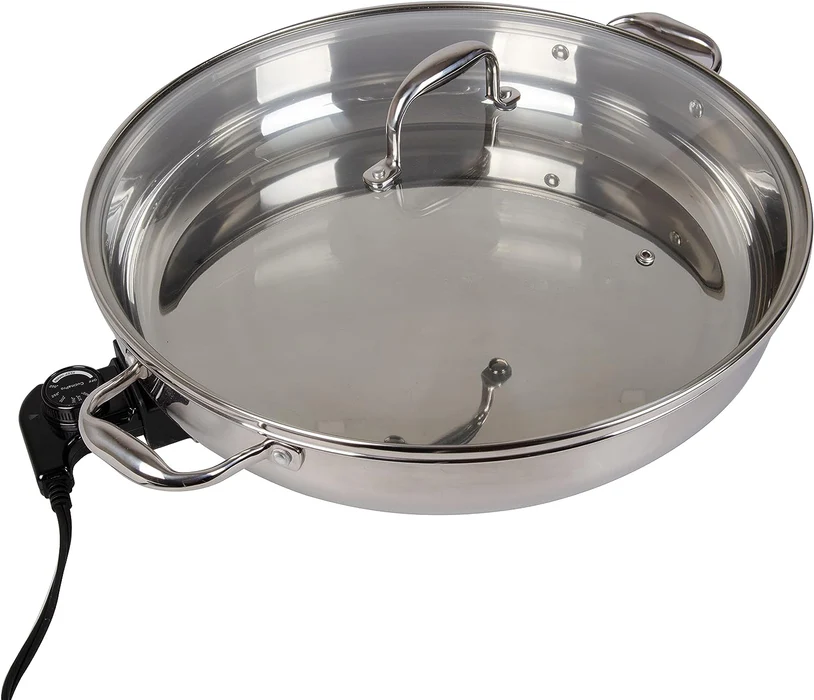
Why a Small Electric Skillet is a Game-Changer
You might be wondering, “Why not just use a small pan on the stove?” That’s a fair question! But an electric skillet brings a unique set of advantages to the table, especially when you’re tight on space or cooking for a smaller household.
- Precise Temperature Control: Unlike a stovetop burner that can have hot spots, a good electric skillet provides consistent, even heat across the entire cooking surface. This means no more burnt-in-the-middle, raw-on-the-edges pancakes.
- Incredible Energy Efficiency: Why heat a large burner for a small meal? An electric skillet uses significantly less energy, making it a greener and more budget-friendly choice for everyday cooking.
- Supreme Portability: This is a huge win. You can use it anywhere there’s an outlet. Think RV trips, a covered patio for a summer brunch, or even as a buffet server to keep dips warm at a party. It’s your kitchen on the go.
- The Ultimate Space Saver: For those in dorms or studio apartments without a full kitchen, a small electric skillet can genuinely act as your primary cooking appliance. It’s a one-stop-shop for countless meals.
What to Look For in the Best Small Electric Skillet
Navigating the options can feel a bit overwhelming, but I’m here to break it down for you. Finding the best small electric skillet comes down to focusing on a few key features that truly matter for performance and longevity.
How big is a “small” electric skillet?
Generally, a small electric skillet will range from 6 to 10 inches in diameter. This is the sweet spot for cooking for one or two people. It’s large enough to fry a couple of eggs and bacon, sear a chicken breast, or whip up a small batch of stir-fry without being a burden to store. Think of it this way: if your goal is a quick personal pizza or a grilled cheese sandwich, a compact 8-inch model is your best friend.
Temperature Control and Wattage
The heart of any electric skillet is its ability to hold a steady temperature. Look for models with a clear and adjustable temperature dial or digital control.
- Warm Settings: A “warm” or “buffet” setting (typically around 150-200°F) is fantastic for keeping food ready to serve.
- Simmering & Sautéing: You’ll want a reliable range between 250°F and 350°F for most everyday cooking.
- Searing: A high-heat capability of 400°F or more is essential for getting that perfect crust on steaks or burgers.
Wattage plays a role here too. Higher wattage (around 1000W or more for a small skillet) usually means it heats up faster and recovers temperature more quickly after you add cold ingredients.
The Non-Stick Surface: Your Best Friend for Cooking and Cleaning
This is non-negotiable. A quality non-stick surface makes cooking a joy and cleanup a breeze. Most modern skillets use a PFOA-free coating, which is a must-have for health-conscious cooks.
According to appliance design engineer, Amelia Vance, “The durability of an electric skillet’s non-stick coating is paramount. Look for multi-layer coatings or ceramic-infused surfaces, as they tend to offer superior longevity and resistance to scratching, provided you use non-metal utensils.”
A good non-stick surface means you can use less oil, making for healthier meals. It also means you won’t be stuck scrubbing for ages after dinner.
Lids, Vents, and Handles
Don’t overlook the accessories! A well-fitting lid is crucial for trapping heat and moisture, which is essential for simmering sauces or steaming vegetables.
- Glass Lids: A tempered glass lid is a huge plus, as it lets you monitor your food’s progress without lifting it and letting heat escape.
- Vented Lids: A small vent in the lid allows excess steam to escape, preventing condensation from dripping back onto your food and making it soggy. This is key for achieving crispy results.
- Cool-Touch Handles: Safety first! Ensure the skillet’s handles and the lid’s knob are made from heat-resistant material so you can move it without reaching for an oven mitt.
|
Our Picks for the Best Electric Skillet in 2026
As an Amazon Associate, we earn from qualifying purchases.
|
||
| Num | Product | Action |
|---|---|---|
| 1 | BLACK+DECKER Electric Skillet, Variable Temperature Control, Nonstick Cooking Surface, Dishwasher Safe, Tempered Glass Lid, 12\"x15\" |

|
| 2 | Elite Gourmet 12\" x 12\" x 3” Ceralast™ Ceramic Non-stick PFAS Free, Dishwasher Safe Electric Skillet, Xtra Deep Dish, Rapid Heat 1200W, Black |
|
| 3 | Elite Gourmet EG-6203# Extra Deep 16\"x13\"x3.2\" (10.5Qt.) Scratch Resistant, Easy Pour Spout Dishwasher Safe, Non-stick Electric Skillet with Glass Vented Lid, Adjustable Temperature, Black |
|
| 4 | Presto 06852 16-Inch Electric Skillet with Glass Cover |
|
| 5 | Presto 07117 12\" Electric Skillet with glass cover |
|
| 6 | Presto 06857 16-inch Electric Foldaway Skillet, Black |
|
| 7 | Crux Extra Deep Nonstick Scratch Resistant Electric Skillet with Removeable Temperature Probe, 12\" x 12\", silver (14620) |
|
| 8 | Chefman XL Electric Griddle with Removable Temperature Control, Immersible Flat Top Grill, Burger, Eggs, Pancake Griddle, Nonstick Extra Large Cooking Surface, Slide Out Drip Tray, 10 x 20 Inch |
|
| 9 | bella Make & Take Electric Skillet, Fits-anywhere™ kitchenware, EverGood™ Ceramic Coating, Adjustable Temperature & Dishwasher-Safe Tempered Glass Lid, Cast Aluminum Base, 1200 Watt, Surf |
|
| 10 | Elite Gourmet EG808 8” x 8\" Non-stick Electric Skillet, Dishwasher Safe with Tempered Glass Vented Lid, Rapid Heat Up, 600W, Black |
|
Unlocking Your Skillet’s Potential: Tips and Tricks
Once you’ve chosen the best small electric skillet for your needs, it’s time to master it. I’ve learned a few things over the years that can take your skillet cooking from good to great.
- Always Preheat: Just like a conventional oven or pan, give your skillet a few minutes to reach the desired temperature before you add your food. This ensures even cooking and a better sear.
- Don’t Crowd the Pan: This is especially important in a smaller skillet. Overcrowding lowers the temperature and causes food to steam instead of brown. Cook in batches if you have to—it’s worth it!
- Use the Right Utensils: To protect that precious non-stick coating, always use silicone, nylon, or wooden utensils. Metal spatulas and forks are the fastest way to scratch and ruin the surface.
- Master the “Keep Warm” Function: Hosting a small get-together? Your skillet is perfect for keeping queso dip, meatballs, or little smokies at the perfect temperature for hours.
Beyond Frying: What Can You Actually Cook?
The name “skillet” or “frypan” is a bit of a misnomer because this little appliance is so much more versatile. With its deep sides and consistent heat, you can branch out far beyond fried eggs.
- Simmering: Perfect for pasta sauces, chilis, and curries.
- Braising: Sear a piece of meat, add some liquid, pop the lid on, and let it simmer on low for tender, fall-apart results.
- Sautéing: Ideal for vegetables, mushrooms, and shrimp. The even heat cooks them quickly and perfectly.
- “Baking”: You can’t bake a layer cake, but you can definitely make things like cornbread, skillet cookies, or biscuits.
- One-Pot Meals: Think of dishes like stir-fries, paella for two, or a simple chicken and rice casserole. Everything cooks together, meaning less mess and fewer dishes.
For a quick and delicious weeknight meal, try this: Sauté some chicken and sliced bell peppers in your skillet. Stir in your favorite salsa and a can of black beans, let it simmer for 10 minutes, and serve over rice with a dollop of sour cream. It’s a complete meal made in one compact appliance.
Frequently Asked Questions (FAQ)
Can I deep fry in a small electric skillet?
While you can shallow fry, most small electric skillets are not deep enough for safe deep-frying. The high sides help contain splatter, but they aren’t designed to hold the large volume of oil required for true deep-frying.
How do I clean my electric skillet?
Always unplug the skillet and let it cool completely. If the temperature probe is removable, take it out. Most modern skillets are fully immersible, meaning you can wash the entire unit (minus the probe) in the sink with warm, soapy water. Some parts may even be dishwasher-safe, but always check your manual first.
What is the ideal size for a college dorm room?
For a dorm room, an 8-inch electric skillet is often the perfect size. It’s compact enough to store easily but large enough to cook a real meal, like a couple of burgers, a quesadilla, or a decent-sized omelet.
Can an electric skillet replace a microwave?
They serve different functions. A microwave is best for reheating leftovers quickly. An electric skillet is for cooking raw ingredients. While you can reheat food in a skillet, it’s not as fast as a microwave. For a dorm or small apartment, having both is ideal, but if you can only have one for actual cooking, the skillet is far more versatile.
Is a small electric skillet safe to use?
Absolutely. Modern electric skillets are designed with safety in mind. They have features like cool-touch handles, non-slip feet, and reliable temperature controls. Just be sure to use it on a flat, stable, heat-resistant surface and never leave it unattended while cooking at high temperatures.
The Final Word on Your New Kitchen Staple
Choosing the best small electric skillet is a fantastic step towards making your cooking life easier, more efficient, and more enjoyable, especially when space is a luxury. This humble appliance punches way above its weight class, offering precision, versatility, and portability that a standard stovetop simply can’t match. From a quick weekday breakfast to a simmering one-pot dinner, it’s ready to be your most reliable kitchen partner.
We’d love to hear about your own experiences! What are your favorite things to cook in your electric skillet? Share your tips and stories in the comments below.