Welcome, fellow kitchen adventurer! If you’re anything like me, you absolutely adore your electric skillet. It’s the unsung hero of one-pan dinners, the champion of Sunday morning pancakes, and the savior of potluck contributions. But after the glorious feast comes the dreaded cleanup. You stand over the sink, eyeing your trusty skillet and then your dishwasher, and the million-dollar question pops into your head: Is An Electric Skillet Dishwasher Safe? It’s a question we get all the time here at Electric Skillet Guide, and the answer isn’t a simple yes or no.
It’s more of a “yes, but…” situation. Think of it like this: your electric skillet is a team of two. You have the main pan and lid, and then you have the brains of the operation—the temperature control probe. One part might be ready for a swim, but the other one definitely is not. Let’s dive in and clear up the confusion for good, so you can get back to cooking without the cleanup anxiety.
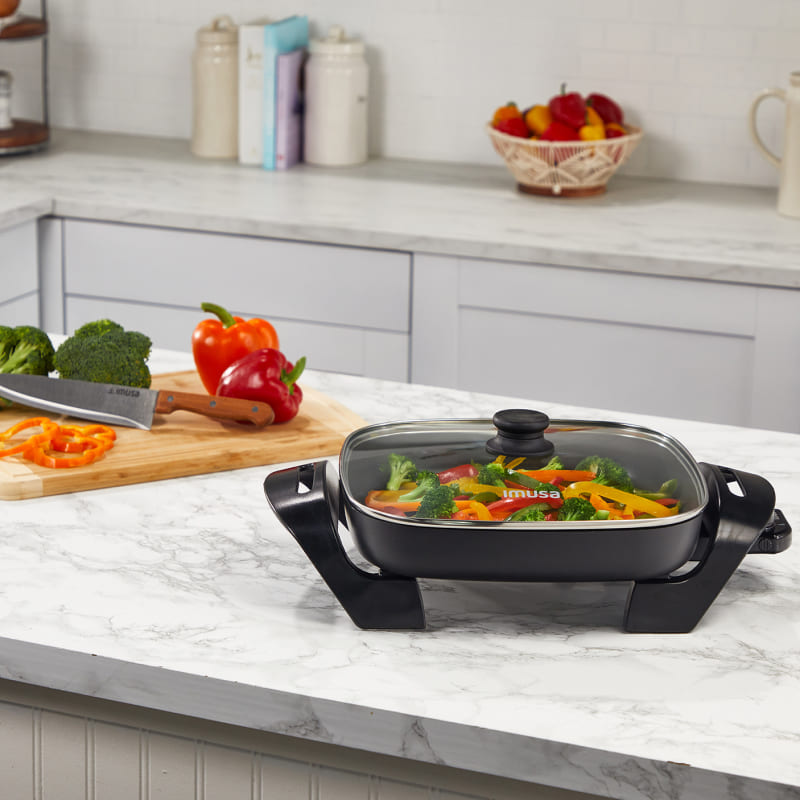
What’s the Real Deal? A Breakdown of Your Skillet
To truly understand if your electric skillet can handle the dishwasher, you need to know what it’s made of. Most modern electric skillets are designed with convenience in mind, but they still have distinct parts that react differently to the high heat and harsh detergents of a dishwasher cycle.
The Skillet Pan: The Main Event
The main pan, or body, is the part you’re most likely wondering about. For most modern, quality electric skillets, the pan itself is indeed dishwasher safe once the power cord and temperature probe are removed.
- Non-Stick Surfaces: Most electric skillets feature a non-stick coating. While many are rated as dishwasher-safe, the intense heat and abrasive detergents in a dishwasher can degrade this coating over time. It might not happen overnight, but repeated cycles can lead to a less effective non-stick surface.
- Stainless Steel or Ceramic: These surfaces are generally more durable and hold up better in the dishwasher. However, they can still be susceptible to water spots or discoloration from certain detergents.
The Lid: Usually a Safe Bet
The lid, typically made of tempered glass with a plastic or metal handle, is almost always top-rack dishwasher safe. The glass is built to withstand high cooking temperatures, so a dishwasher cycle is usually no problem. Just be sure to place it securely on the top rack to prevent it from rattling around and potentially cracking.
The Temperature Probe: The Absolute No-Go Zone
This is the most important rule of electric skillet care: The temperature control probe and power cord must NEVER, under any circumstances, be submerged in water or put in the dishwasher. This component contains all the electrical elements that make your skillet work. Getting it wet can cause a short circuit, permanent damage, and create a serious safety hazard. It’s the equivalent of throwing your phone charger in the wash—a guaranteed recipe for disaster.
Expert Take: According to appliance durability engineer, Amelia Vance, “The single biggest mistake we see with electric skillet maintenance is moisture damage to the control probe. It’s a sensitive piece of electronics. Wiping it down with a damp cloth is the only cleaning it should ever need. Treat it with care, and your skillet will serve you for years.”
So, is an Electric Skillet Dishwasher Safe for You? The Checklist
Here’s a simple way to figure out the best cleaning method for your specific model.
- Check the Manual: This is your golden ticket. The manufacturer’s instructions will state explicitly whether the components (pan and lid) are dishwasher safe. If it says “hand wash only,” believe it.
- Look for a “Dishwasher Safe” Symbol: Many appliances have universal symbols etched on the bottom. Look for a symbol of dishes being sprayed with water.
- Inspect the Probe Connection: Ensure the area where the probe plugs into the skillet is completely dry and free of debris before and after cleaning.
How to Clean Your Skillet the Right Way
Whether you choose the dishwasher or the sink, following the right steps is key to a long and happy relationship with your electric skillet.
The Dishwasher Method (For Approved Models)
If you’ve confirmed your skillet pan and lid are dishwasher safe, follow these steps for the best results:
- Let It Cool Down Completely: Never place a hot pan in water. The sudden temperature change (thermal shock) can warp the metal or crack the non-stick coating.
- DETACH THE PROBE: We can’t say this enough. Remove the temperature control probe and set it aside safely.
- Scrape and Rinse: Gently scrape out any large food remnants with a plastic or silicone spatula. Give the pan a quick rinse to remove loose grease and crumbs.
- Load with Care: Place the skillet pan on the bottom rack, facing down, so the water jets can clean it effectively. Put the lid on the top rack. Avoid overcrowding, which can block the spray.
- Dry Thoroughly: Once the cycle is done, dry the skillet completely, paying special attention to the probe connection port, before storing it.
|
Our Picks for the Best Electric Skillet in 2025
As an Amazon Associate, we earn from qualifying purchases.
|
||
| Num | Product | Action |
|---|---|---|
| 1 | bella Make & Take Electric Skillet, Fits-anywhere™ kitchenware, EverGood™ Ceramic Coating, Adjustable Temperature & Dishwasher-Safe Tempered Glass Lid, Cast Aluminum Base, 1200 Watt, Surf |

|
| 2 | Chefman XL Electric Griddle with Removable Temperature Control, Immersible Flat Top Grill, Burger, Eggs, Pancake Griddle, Nonstick Extra Large Cooking Surface, Slide Out Drip Tray, 10 x 20 Inch |
|
| 3 | BLACK+DECKER Electric Skillet, Variable Temperature Control, Nonstick Cooking Surface, Dishwasher Safe, Tempered Glass Lid, 12\"x15\" |
|
| 4 | Elite Gourmet 12\" x 12\" x 3” Ceralast™ Ceramic Non-stick PFAS Free, Dishwasher Safe Electric Skillet, Xtra Deep Dish, Rapid Heat 1200W, Black |
|
| 5 | Elite Gourmet EG-6203# Extra Deep 16\"x13\"x3.2\" (10.5Qt.) Scratch Resistant, Easy Pour Spout Dishwasher Safe, Non-stick Electric Skillet with Glass Vented Lid, Adjustable Temperature, Black |
|
| 6 | Presto 07117 12\" Electric Skillet with glass cover |
|
| 7 | Presto 06852 16-Inch Electric Skillet with Glass Cover |
|
| 8 | Presto 06857 16-inch Electric Foldaway Skillet, Black |
|
| 9 | Crux Extra Deep Nonstick Scratch Resistant Electric Skillet with Removeable Temperature Probe, 12\" x 12\", silver (14620) |
|
| 10 | Elite Gourmet EG808 8” x 8\" Non-stick Electric Skillet, Dishwasher Safe with Tempered Glass Vented Lid, Rapid Heat Up, 600W, Black |
|
The Hand-Washing Method: The Gold Standard
Honestly, even if my skillet says it’s dishwasher safe, I usually prefer to hand wash it. It takes just a few minutes and is the gentlest method, guaranteeing the longevity of that precious non-stick surface.
- Cool it Down: Same as before, wait for the skillet to be cool to the touch.
- Unplug and Detach: Remove that probe!
- Soak if Necessary: For stubborn, stuck-on food, fill the skillet with hot, soapy water and let it soak for 15-20 minutes. This does most of the work for you.
- Wash Gently: Use a soft sponge or non-abrasive cloth with warm, soapy water. Never use steel wool or harsh scouring pads, as they will scratch and ruin the cooking surface.
- Rinse and Dry: Rinse thoroughly with hot water and dry immediately with a soft towel to prevent water spots.
The Benefits of Proper Electric Skillet Care
Why go through all this trouble? Because a well-maintained electric skillet is a kitchen powerhouse. Its large, flat surface and even, consistent heating make it more versatile than a standard frying pan. You can do everything from searing steaks and shallow-frying chicken to simmering stews and even baking a “skillet cookie.” Keeping it clean and in good working order means you can always rely on it for delicious, hassle-free meals.
What Can You Cook in an Electric Skillet?
The possibilities are nearly endless! This isn’t just for bacon and eggs. Try these:
- Hearty Breakfasts: Perfect pancakes, French toast, and hashbrowns for a crowd.
- One-Pan Dinners: Sauté vegetables and protein together for a quick weeknight meal. Think stir-fries, fajitas, or sausage and peppers.
- Deep Frying: The high sides and consistent temperature control make it ideal for frying donuts or chicken.
- Braising and Simmering: Low and slow is the way to go for tender pot roasts or flavorful sauces.
Frequently Asked Questions (FAQ)
Q: Can the glass lid of my electric skillet go in the dishwasher?
A: Yes, in almost all cases. The tempered glass lid is designed for heat and is typically safe for the top rack of your dishwasher. Always double-check your manual to be certain.
Q: What happens if the electric probe accidentally gets wet?
A: If the probe gets wet, unplug it immediately. Do NOT plug it back in. Let it air dry completely for at least 24-48 hours in a well-ventilated area before even attempting to use it again. If it was fully submerged, it may be permanently damaged and unsafe to use.
Q: How can I tell if my older electric skillet is dishwasher safe without the manual?
A: If you can’t find a “dishwasher safe” symbol on the bottom of the skillet, it’s best to err on the side of caution and hand wash it. Older models were often made with materials and coatings not designed for the harshness of modern dishwashers.
Q: Will the dishwasher ruin my skillet’s non-stick coating?
A: It can, over time. While a single wash won’t destroy it, the combination of high heat, powerful water jets, and caustic detergents can slowly wear down the non-stick surface, reducing its effectiveness. Hand washing is the best way to preserve it.
Q: Can I use cooking spray on my non-stick electric skillet?
A: It’s generally not recommended. Cooking sprays contain lecithin, which can build up on non-stick surfaces over time, creating a sticky residue that is difficult to remove and interferes with the non-stick performance. A small amount of oil or butter is a better choice.
The Final Word on Cleaning Your Electric Skillet
So, when a friend asks you, “is an electric skillet dishwasher safe?” you can confidently tell them: the pan and lid often are, but the electronic probe never is. For the absolute best care and longest life for your appliance, gentle hand washing is always the winning strategy. It’s a small investment of time that pays off with countless delicious meals and a reliable kitchen companion for years to come.
Now go on, cook up a storm, and clean up with confidence! We’d love to hear about your go-to electric skillet recipes in the comments below.