Ever found yourself playing a frustrating game of “hot spot shuffle” with your stovetop pan? You know the one—where you’re constantly moving chicken breasts around, trying to avoid that one spot that burns everything while another corner remains stubbornly lukewarm. It’s enough to make any home cook sigh. This very problem leads many to wonder, Does An Electric Skillet Cook Evenly, or is it just another appliance destined to gather dust? Well, let’s pull up a chair and have a real talk about it. The short answer is a resounding yes, but like any good recipe, the secret lies in the details.
An electric skillet is designed from the ground up to conquer the very inconsistency that plagues many stovetops. But how it achieves this, and how you can get picture-perfect results every time, is what we’re here to dive into. Welcome to your complete guide on the even-cooking prowess of the humble electric skillet.
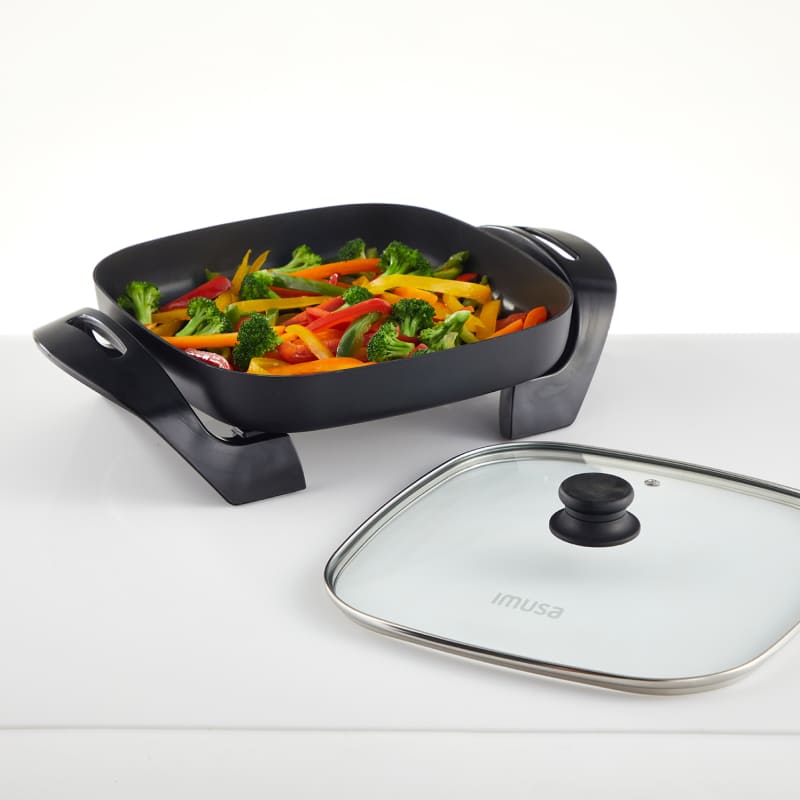
What’s the Secret Behind an Electric Skillet’s Even Heat?
To understand why this gadget is a game-changer for consistent cooking, we need to look under the hood. Unlike a stovetop burner that concentrates heat in a ring, an electric skillet has a different trick up its sleeve.
The Heart of the Matter: The Heating Element
The magic starts with the built-in heating element. In most quality electric skillets, this element is a long, serpentine coil embedded directly into the base of the pan. Think of it like the radiant heating coils in a floor—they’re spread out over the entire surface area. This design is fundamentally different from a gas or electric stovetop burner, which heats the pan from the center or in a single ring, forcing the heat to travel outwards. This travel is often where hot and cold spots are born.
By distributing the heat source across the entire base, the skillet ensures that the surface heats up uniformly. From the center to the very edges, the temperature is far more consistent.
The Brains of the Operation: The Thermostat
If the heating element is the heart, the temperature probe with its built-in thermostat is the brain. This detachable controller is your secret weapon for precision. Here’s how it works:
- You set the desired temperature: Want to fry chicken at a perfect 350°F? Just turn the dial.
- The thermostat monitors: A sensor inside the probe constantly measures the temperature of the cooking surface.
- It self-regulates: If the temperature dips, the thermostat signals the heating element to kick on. Once it reaches the target temperature, it cycles off.
This constant feedback loop is what maintains a steady, even heat. It eliminates the guesswork of “medium-high” on a stove, giving you the kind of control that’s crucial for delicate tasks like frying donuts or making pancakes that are golden-brown all over.
According to appliance engineer John Carter, “The synergy between a well-designed, embedded heating element and a responsive thermostat is what elevates the electric skillet. It’s a closed system designed for one purpose: maintaining a precise and even cooking temperature across the entire surface.”
So, Does an Electric Skillet Cook Evenly Every Single Time?
This is where we get real. While a good quality electric skillet is designed to cook evenly, a few factors can influence its performance. The blanket statement is yes, but your experience depends heavily on the quality of your skillet and how you use it.
Cheaper, poorly made models might have thinner metal or less efficient heating elements, which can still lead to minor temperature variations. However, a well-regarded model from a reputable brand will almost always outperform a standard stovetop pan in the even-heating department. The key is knowing how to maximize its potential.
How to Guarantee Even Cooking in Your Electric Skillet
Ready to become an electric skillet master? Getting flawless results is easy if you follow a few simple steps. Think of this as your pre-flight checklist for culinary success.
- Always Preheat: This is the most crucial step. Don’t just toss your food in as soon as you plug it in. Set your desired temperature and give the skillet a good 5-10 minutes to heat up fully. This allows the heating element to cycle on and off a few times, stabilizing the temperature across the entire surface. You’ll know it’s ready when the indicator light on the probe clicks off for the first time.
- Don’t Overcrowd the Pan: This is a universal cooking rule, but it’s especially important here. Piling in too much food at once will cause the temperature to drop dramatically. It also creates steam, preventing that beautiful browning you’re after. Cook in batches if you need to; your patience will be rewarded with better results.
- Use the Right Amount of Oil: A thin layer of oil or fat doesn’t just prevent sticking; it also helps conduct heat. As the oil heats up, it fills in microscopic gaps and ensures every part of your food is in contact with a hot, even surface.
- Keep the Lid On (When Appropriate): For dishes like braises, stews, or even steaming vegetables, using the lid is key. It traps heat and moisture, creating an oven-like environment that cooks food evenly from all sides, not just from the bottom.
|
Our Picks for the Best Electric Skillet in 2025
As an Amazon Associate, we earn from qualifying purchases.
|
||
| Num | Product | Action |
|---|---|---|
| 1 | BLACK+DECKER Electric Skillet, Variable Temperature Control, Nonstick Cooking Surface, Dishwasher Safe, Tempered Glass Lid, 12\"x15\" |

|
| 2 | Crux Extra Deep Nonstick Scratch Resistant Electric Skillet with Removeable Temperature Probe, 12\" x 12\", silver (14620) |
|
| 3 | Chefman XL Electric Griddle with Removable Temperature Control, Immersible Flat Top Grill, Burger, Eggs, Pancake Griddle, Nonstick Extra Large Cooking Surface, Slide Out Drip Tray, 10 x 20 Inch |
|
| 4 | Elite Gourmet 12\" x 12\" x 3” Ceralast™ Ceramic Non-stick PFAS Free, Dishwasher Safe Electric Skillet, Xtra Deep Dish, Rapid Heat 1200W, Black |
|
| 5 | Presto 07117 12\" Electric Skillet with glass cover |
|
| 6 | Elite Gourmet EG808 8” x 8\" Non-stick Electric Skillet, Dishwasher Safe with Tempered Glass Vented Lid, Rapid Heat Up, 600W, Black |
|
| 7 | Elite Gourmet EG-6203# Extra Deep 16\"x13\"x3.2\" (10.5Qt.) Scratch Resistant, Easy Pour Spout Dishwasher Safe, Non-stick Electric Skillet with Glass Vented Lid, Adjustable Temperature, Black |
|
| 8 | bella Make & Take Electric Skillet, Fits-anywhere™ kitchenware, EverGood™ Ceramic Coating, Adjustable Temperature & Dishwasher-Safe Tempered Glass Lid, Cast Aluminum Base, 1200 Watt, Surf |
|
| 9 | Presto 06852 16-Inch Electric Skillet with Glass Cover |
|
| 10 | Presto 06857 16-inch Electric Foldaway Skillet, Black |
|
The Many Perks of Perfectly Even Heat
The ability of an electric skillet to cook evenly opens up a whole new world of culinary possibilities and conveniences. It’s not just about avoiding burnt spots.
- Flawless Frying: Whether you’re shallow-frying chicken or deep-frying tempura, precise temperature control is everything. Too low, and food gets greasy; too high, and it burns before it’s cooked through. An electric skillet holds the temperature steady, giving you crispy, golden results every time.
- Perfect Pancakes and French Toast: Say goodbye to pancakes that are dark on one side and pale on the other. An electric skillet’s large, evenly heated surface lets you cook a whole batch at once, with each one turning out beautifully and uniformly golden.
- Effortless One-Pot Meals: From chili to a hearty beef stew, you can brown your meat, sauté your vegetables, and simmer your sauce all in one vessel. The consistent heat ensures nothing scorches on the bottom during a long simmer.
- A Portable Kitchen: Because it has its own heat source, you can set it up anywhere with an outlet. This is perfect for potlucks, buffet-style serving (it keeps food warm beautifully), or even in a dorm room or RV.
- Energy Efficiency: Heating just one appliance is often more energy-efficient than firing up a large stovetop burner, especially for slow-cooked meals.
What Can You Cook in an Electric Skillet?
The question should be, what can’t you cook? Thanks to its even heating and deep sides, it’s one of the most versatile tools in the kitchen.
Breakfast Favorites:
- A full batch of pancakes or crepes.
- A perfect family-sized frittata.
- Crispy bacon and hash browns, cooked all at once.
Lunch and Dinner Staples:
- Searing and Pan-Frying: Steaks, pork chops, and chicken breasts get a beautiful, even crust.
- Braising: Braised short ribs or pot roast becomes fall-apart tender.
- Stir-Frying: The large surface area is great for keeping ingredients moving.
- Deep-Frying: Its depth and temperature control make it safer and easier than using a pot on the stove.
- Sauces and Stews: Simmer your favorite marinara or chili for hours without fear of scorching.
Frequently Asked Questions (FAQ)
Q1: Why does my electric skillet have hot spots?
If you’re experiencing hot spots, it’s likely due to one of two things. First, you might not be preheating it for long enough. Give it a full 5-10 minutes to stabilize. Second, it could be a sign of a lower-quality skillet with an inefficient heating element.
Q2: Can I use metal utensils in my electric skillet?
It depends entirely on the cooking surface. If your skillet has a non-stick coating (which most do), you should absolutely avoid metal utensils as they will scratch and ruin the surface. Opt for silicone, wood, or nylon tools instead. For stainless steel or ceramic surfaces, metal is generally safe.
Q3: How do I clean my electric skillet properly?
First and most importantly, never submerge the entire unit or the temperature probe in water. Once the skillet is unplugged and completely cool, remove the probe. The pan itself can then be washed by hand with warm, soapy water. Many modern electric skillet bases are now dishwasher-safe, but always check your manufacturer’s instructions first.
Q4: Is an electric skillet better than a stovetop pan for even cooking?
For the vast majority of home cooks, yes. A quality electric skillet with its integrated, distributed heating element and thermostat will provide more consistent and even heat than the average pan on a standard gas or electric stovetop burner.
Q5: What’s the ideal temperature for frying in an electric skillet?
For most deep-frying or shallow-frying, a temperature between 350°F and 375°F (175°C to 190°C) is the sweet spot. The precise control of an electric skillet makes it incredibly easy to maintain this temperature for perfect results.
The Final Verdict
So, let’s circle back to our original question: does an electric skillet cook evenly? The answer is a confident yes. It’s not just an appliance; it’s a solution. It was specifically engineered to solve the age-old problem of hot spots and uneven cooking. By combining a distributed heating element with a smart thermostat, it delivers a level of consistency that can truly elevate your cooking.
Whether you’re a seasoned chef or just starting your culinary journey, embracing the even-heating power of an electric skillet can make your time in the kitchen more enjoyable, more efficient, and ultimately, more delicious.