There’s a special kind of kitchen disappointment, isn’t there? You’ve got your ingredients prepped, your family is hungry, and you’re ready to whip up a storm. You plug in your trusty electric skillet, turn the dial, and… nothing. No gentle warmth, no indicator light, just cold silence. If you’ve found yourself thinking, My Electric Skillet Is Not Heating, don’t panic. As the head culinary consultant here at Electric Skillet Guide, I’ve seen this happen countless times. More often than not, it’s a simple fix you can handle yourself in just a few minutes. Let’s roll up our sleeves and get your skillet sizzling again.
Why Did My Electric Skillet Stop Heating?
The most common reason an electric skillet stops heating is a faulty or improperly connected temperature control probe. This probe is the brain of the operation, and if it’s not communicating correctly with the skillet body, the heating element will not receive power. Other culprits can include a bad power outlet, a damaged cord, or an internal issue.
Before we dive deep, let’s start with the basics. It might sound silly, but you’d be surprised how often the simplest solution is the right one. Think of this as a detective’s checklist, moving from the most likely suspects to the least common ones.
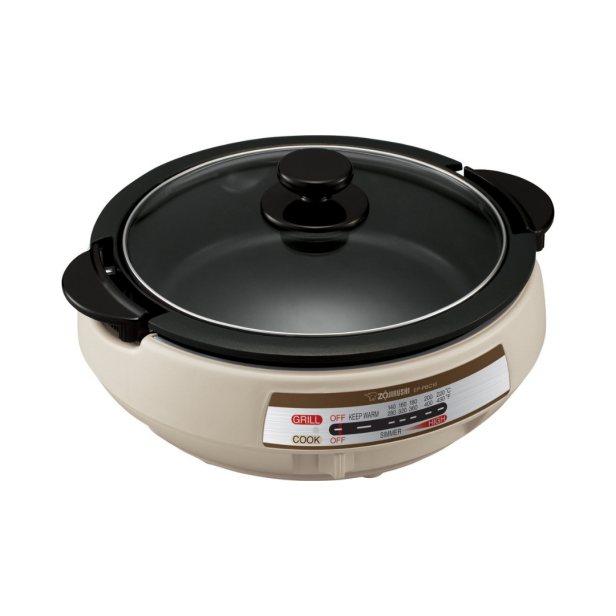
The Essential First-Step Checklist
- Check the Power Source: Is the skillet firmly plugged into the wall outlet? To be absolutely sure the outlet is working, unplug the skillet and plug in something you know works, like a phone charger or a lamp. If that device doesn’t work either, you’ve found your problem: a tripped circuit breaker or a faulty outlet.
- Inspect the Temperature Control Probe: This is the detachable cord with the temperature dial, and it’s the number one cause of heating issues. Make sure the probe is pushed all the way into the socket on the skillet. Sometimes it can feel like it’s in, but it needs an extra firm push to make a proper connection. Wiggle it gently to ensure it’s secure.
- Examine the Cords: Give the entire power cord and probe a quick visual inspection. Are there any frayed wires, cracks, or signs of melting? If you see any visible damage, stop immediately. Using an appliance with a damaged cord is a serious safety hazard, and it’s time to replace the part or the entire unit.
Diving Deeper: Troubleshooting Your Skillet’s Components
If you’ve gone through the initial checklist and your skillet is still cold, it’s time to look a little closer. This is where we get into the nitty-gritty of how these fantastic appliances work.
“The detachable temperature probe is a brilliant design for easy cleaning, but it’s also the most frequent point of failure. The internal contacts can wear out or become dirty over time, severing the connection to the heating element.” – John Carter, Appliance Engineer
How Do I Test the Temperature Control Probe?
The temperature probe is more than just a plug; it contains a thermostat that regulates heat. If this component fails, your skillet is dead in the water.
- Clean the Contacts: Unplug everything. Look at the metal prongs on the probe and inside the skillet’s socket. Do you see any grease, food debris, or discoloration? Use a dry cloth or a cotton swab lightly dampened with rubbing alcohol to gently clean these connection points. Let it dry completely before plugging it back in.
- The “Jiggle” Test: Sometimes the internal connection is loose. Plug everything in, turn the dial to a medium heat, and carefully and gently wiggle the probe where it connects to the skillet. If the indicator light flickers on and you feel a bit of warmth, you’ve found the issue. This indicates a faulty probe that needs replacing.
- Heat Check: Is the indicator light on, but my electric skillet is not heating? This almost certainly points to a broken heating element inside the skillet itself. The light indicates the probe is sending power, but the element isn’t able to convert that power into heat.
What Is the Heating Element and Can It Be Fixed?
The heating element is a resistor, typically a long, looped tube embedded in the base of the skillet. When electricity passes through it, it resists the flow, which generates heat. Unfortunately, if the heating element breaks, it is generally not a user-repairable part. For most models, a broken heating element means it’s time to start shopping for a new electric skillet.
|
Our Picks for the Best Electric Skillet in 2025
As an Amazon Associate, we earn from qualifying purchases.
|
||
| Num | Product | Action |
|---|---|---|
| 1 | Elite Gourmet EG-6203# Extra Deep 16\"x13\"x3.2\" (10.5Qt.) Scratch Resistant, Easy Pour Spout Dishwasher Safe, Non-stick Electric Skillet with Glass Vented Lid, Adjustable Temperature, Black |

|
| 2 | Chefman XL Electric Griddle with Removable Temperature Control, Immersible Flat Top Grill, Burger, Eggs, Pancake Griddle, Nonstick Extra Large Cooking Surface, Slide Out Drip Tray, 10 x 20 Inch |
|
| 3 | Presto 07117 12\" Electric Skillet with glass cover |
|
| 4 | bella Make & Take Electric Skillet, Fits-anywhere™ kitchenware, EverGood™ Ceramic Coating, Adjustable Temperature & Dishwasher-Safe Tempered Glass Lid, Cast Aluminum Base, 1200 Watt, Surf |
|
| 5 | Elite Gourmet EG808 8” x 8\" Non-stick Electric Skillet, Dishwasher Safe with Tempered Glass Vented Lid, Rapid Heat Up, 600W, Black |
|
| 6 | Elite Gourmet 12\" x 12\" x 3” Ceralast™ Ceramic Non-stick PFAS Free, Dishwasher Safe Electric Skillet, Xtra Deep Dish, Rapid Heat 1200W, Black |
|
| 7 | Crux Extra Deep Nonstick Scratch Resistant Electric Skillet with Removeable Temperature Probe, 12\" x 12\", silver (14620) |
|
| 8 | BLACK+DECKER Electric Skillet, Variable Temperature Control, Nonstick Cooking Surface, Dishwasher Safe, Tempered Glass Lid, 12\"x15\" |
|
| 9 | Presto 06857 16-inch Electric Foldaway Skillet, Black |
|
| 10 | Presto 06852 16-Inch Electric Skillet with Glass Cover |
|
A Brief History of The Little Appliance That Could
To appreciate why it’s worth fixing, it’s fun to remember where the electric skillet came from. Patented in the early 1950s, the “electric frypan” was a post-war miracle. It promised controlled, even heat without a stovetop, freeing up burners and allowing for cooking anywhere with an outlet—even on the patio! Early models were heavy and cumbersome, but they laid the groundwork for the lightweight, non-stick, and versatile skillets we love today. They’ve evolved, but their core purpose remains: to make cooking simpler and more convenient.
Preventing Future Problems: Care and Maintenance Tips
The best way to fix a problem is to prevent it from ever happening. An electric skillet can last for years, even decades, with proper care.
- Never Immerse the Skillet: Unless your model is explicitly labeled as “fully immersible,” never submerge the main body in water. This will destroy the heating element and electrical connections.
- Clean the Probe Connection: After each use, make it a habit to wipe down the socket on the skillet where the probe connects. This prevents grease buildup that can interfere with the electrical connection.
- Store the Probe Carefully: Don’t just toss the probe in a drawer. Coil the cord loosely and store it in a place where the prongs won’t get bent or damaged.
- Avoid Metal Utensils: This is crucial for non-stick surfaces. Scratches not only cause food to stick but can damage the surface over time, leading to uneven heating. Stick with wood, silicone, or nylon utensils.
- Let it Cool Down: Avoid drastic temperature changes, like pouring cold water into a sizzling hot skillet. This can cause the metal to warp over time.
What Can You Cook in an Electric Skillet Anyway?
Once you’ve solved the problem of my electric skillet is not heating, a world of culinary possibility reopens! People often underestimate these countertop workhorses. They are far more than just a “frypan.”
- Breakfast Champion: Think perfectly fluffy pancakes, crispy bacon without the stovetop splatter, and French toast for a crowd.
- One-Pot Dinners: Sauté your aromatics, brown your meat, and simmer your sauce all in one pan. It’s ideal for dishes like chicken cacciatore, stir-fries, or skillet lasagna.
- Deep Frying: The high sides and consistent temperature control make electric skillets perfect for shallow or deep frying things like fried chicken, donuts, or crispy tempura.
- Keeping Food Warm: It acts as a wonderful buffet server for parties. Set it to a low “warm” setting to keep chili, meatballs, or queso dip at the perfect temperature.
Frequently Asked Questions (FAQ)
Q: Why is the light on my electric skillet probe on, but there’s no heat?
A: This classic symptom usually means the temperature control probe is working and sending power, but the internal heating element in the skillet body has failed. Unfortunately, this is typically not repairable and means the skillet needs to be replaced.
Q: Can I buy a replacement temperature control probe for my skillet?
A: Yes, for many popular brands like Presto, Rival, or Black & Decker, you can often find replacement probes online. Be sure to match the model number of your skillet to ensure you get a compatible probe, as they are not one-size-fits-all.
Q: Is it safe to use an electric skillet if the cord feels very warm?
A: A slightly warm cord can be normal, but if it feels hot to the touch, unplug it immediately. This could indicate a faulty wire, a bad connection, or an overloaded circuit. It is not safe to use until the issue is diagnosed.
Q: My electric skillet is heating unevenly. What’s the cause?
A: Uneven heating can be caused by a warped pan bottom or a failing section of the heating element. It can also happen if the non-stick coating is heavily scratched or worn away in certain spots.
Q: Is it worth fixing an old electric skillet?
A: It depends on the problem. If the issue is simply a dirty connection or a replaceable temperature probe (which can cost $15-$25), it’s absolutely worth fixing. If the internal heating element is broken, it’s usually more cost-effective to invest in a new skillet.
Getting Back to The Sizzle
We’ve walked through the most common reasons why my electric skillet is not heating and how to diagnose the issue like a pro. From the simple power plug to the crucial temperature probe, you’re now equipped to bring your countertop companion back to life. An electric skillet is a wonderfully versatile tool that deserves a place in every modern kitchen, offering convenience and control in one simple package. Hopefully, these steps have resolved your issue and you’re already on your way to cooking up something delicious.