Imagine a delicious, comforting pasta dish, rich with flavors, cooked to perfection, and all in a single pan. No separate pots for boiling noodles, no endless scrubbing of multiple dishes afterwards. This isn’t a culinary dream; it’s the reality of preparing one-pot pasta meals in an electric skillet. For anyone short on time, kitchen space, or simply looking for a more efficient way to enjoy their favorite pasta, the electric skillet offers a revolutionary approach. It transforms weeknight dinners, making gourmet-level meals accessible and cleanup a breeze. If you’re ready to simplify your cooking routine without sacrificing taste, mastering one-pot pasta in your electric skillet is your next culinary adventure.
What is an Electric Skillet?
An electric skillet is a versatile countertop appliance that features an integrated heating element, allowing it to function independently of a stovetop. Designed to maintain precise and consistent temperatures, it’s adept at a wide range of cooking tasks, from frying and sautéing to simmering, baking, and even deep-frying. Its robust construction and user-friendly controls have made it a staple in many kitchens, offering a convenient alternative or supplement to traditional stovetop cooking. From its early iterations as a basic heating surface, the electric skillet has evolved into a sophisticated, multi-functional tool, making it an indispensable asset for modern cooks seeking efficiency and flexibility.
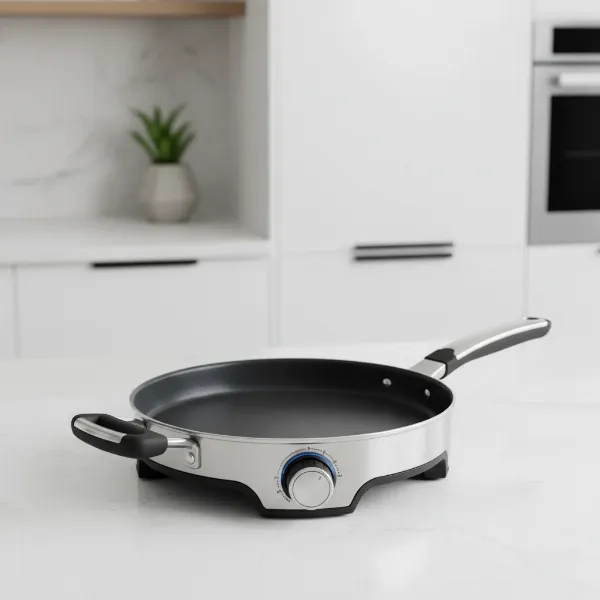 A modern electric skillet on a kitchen countertop, showcasing its versatile cooking capabilities.
Advantages and Disadvantages of Electric Skillets for One-Pot Pasta
Electric skillets bring a unique set of benefits and a few considerations when it comes to preparing one-pot pasta. Understanding these can help you maximize your cooking experience and enjoy consistently delicious results.
Advantages
- Flexibility and Convenience: An electric skillet’s standalone nature means you can cook virtually anywhere there’s an electrical outlet. This makes it ideal for small apartments, dorm rooms, RVs, or even for entertaining guests on a patio, freeing up valuable stovetop space.
- Precise Temperature Control: Unlike stovetops where heat can fluctuate, electric skillets offer exact temperature settings. This consistent heat is crucial for cooking pasta evenly, preventing hot spots that can burn ingredients or leave noodles undercooked. You can set it to a gentle simmer for the pasta to absorb flavors gradually.
- Space-Saving: For those with limited kitchen real estate, an electric skillet can act as an all-in-one solution, effectively replacing several pots and pans needed for a traditional pasta dish. This reduces clutter both during and after cooking.
- Easy to Clean: Most modern electric skillets feature non-stick surfaces, which are incredibly easy to wipe clean. Many models also come with a detachable temperature probe, making the skillet fully submersible for hassle-free washing in the sink or even the dishwasher.
- Energy Efficiency: For smaller meals, an electric skillet can often be more energy-efficient than heating up a large stove burner and oven, potentially saving on utility bills.
|
Our Picks for the Best Electric skillet in 2026
As an Amazon Associate I earn from qualifying purchases.
|
||
| Num | Product | Action |
|---|---|---|
| 1 | Elite Gourmet EG808 8” x 8" Non-stick Electric Skillet, Dishwasher Safe with Tempered Glass Vented Lid, Rapid Heat Up, 600W, Black |

|
| 2 | Blue Diamond 7QT 5-in-1 Extra Large Electric Skillet, Healthy Ceramic Nonstick Interior, Non-Toxic PFAS-Free, Temperature Control, Stay Cool Handles, Easy Clean, Graphite |
|
| 3 | Presto 06857 16-inch Electric Foldaway Skillet, Black |
|
| 4 | Pioneer Woman 3.5L Electric Skillet, Linen Speckle |
|
| 5 | Elite Gourmet EG-6203# Extra Deep 16"x13"x3.2" (10.5Qt.) Scratch Resistant, Easy Pour Spout Dishwasher Safe, Non-stick Electric Skillet with Glass Vented Lid, Adjustable Temperature, Black |
|
| 6 | Elite Gourmet EG6201 Extra Deep 12"x12"x3.2" (7.5Qt.) Scratch Resistant Dishwasher Safe, Non-stick Electric Skillet with Glass Vented Lid, Adjustable Temperature, Black |
|
| 7 | Elite Gourmet 12"x12"x2.15” Ceralast™ PFAS Free Ceramic Electric Skillet, Dishwasher Safe, Rapid Heat Up, 1200W, Dark Grey |
|
| 8 | FOHERE 16-Inch Electric Skillet with Glass Cover, 1500W Rapid Heat, Adjustable Temperature, Multi-Purpose Electric Skillet Fried Chicken, Perfect For Family Gathering Cooking |
|
| 9 | Nuwave Medley XL Digital Electric Skillet, Family Size Griddle w/Glass Lid, 2025 New & Improved Precision Heating, 100°-425°F, PFAS Free G11 Nonstick Ceramic Coating, Portable Hot Plate, 7qt Capacity |
|
| 10 | bella Make & Take Electric Skillet, Fits-anywhere™ kitchenware, EverGood™ Ceramic Coating, Adjustable Temperature & Dishwasher-Safe Tempered Glass Lid, Cast Aluminum Base, 1200 Watt, Oatmilk |
|
Disadvantages
- Limited Portability (Corded): While convenient for countertop use, electric skillets are tethered to an electrical outlet, limiting their placement and requiring access to power.
- Size Constraints: While available in various sizes, an electric skillet might not always be large enough for exceptionally big batches of pasta, especially for very large gatherings. You’ll need to consider your typical serving size.
- Not Suitable for All Cooking Methods: While highly versatile, an electric skillet isn’t always the best tool for every culinary technique. For instance, while it can deep-fry, a dedicated deep fryer might offer better results and safety. For one-pot pasta, however, its capabilities are perfectly aligned.
Types of Electric Skillets Popular on the Market
Electric skillets come in various designs and with different features, each impacting their performance and suitability for one-pot pasta. Choosing the right one can significantly enhance your cooking experience.
Classification by Shape
- Round Skillets: These are the most traditional shape, excellent for general cooking, stirring sauces, and even browning meats. They are a good all-around choice for many pasta dishes.
- Square/Rectangular Skillets: Offering a larger, more usable cooking surface area compared to round skillets of similar stated size, these are particularly advantageous for one-pot pasta. They can more easily accommodate longer pasta types like spaghetti (when broken) or lasagna noodles, allowing for better distribution and more even cooking.
Classification by Material
- Non-stick Skillets: The most popular choice, non-stick coatings prevent food from sticking, making stirring easier and cleanup a breeze. This is particularly beneficial for pasta, which can sometimes adhere to the pan.
- Cast Iron Electric Skillets: While less common, some electric skillets feature a cast iron cooking surface. These offer superior heat retention and distribution, imparting a unique flavor profile. However, they are heavier, require more specific seasoning and maintenance, and pasta might be more prone to sticking if not properly cared for.
- Stainless Steel Electric Skillets: Durable and long-lasting, stainless steel skillets are excellent for browning and sautéing. For pasta, they might require a bit more fat or liquid to prevent sticking compared to non-stick options.
Classification by Features
- Skillets with Glass Lids: A transparent glass lid is a highly desirable feature for one-pot pasta, allowing you to monitor the cooking process without lifting the lid and losing precious heat and steam. This is key for even pasta cooking.
- Skillets with Detachable Temperature Controls: Many electric skillets come with a removable power cord and temperature probe. This design makes the skillet base fully submersible for easy cleaning, often even being dishwasher safe, simplifying post-meal cleanup significantly.
- Skillets with Timer Functions: Some advanced models include integrated timers, offering an extra layer of convenience for recipes that require precise cooking durations, ensuring your pasta is cooked to perfection every time.
Comparing Popular Electric Skillet Brands
When investing in an electric skillet for one-pot pasta, several brands stand out for their quality, features, and user satisfaction. Here’s a general comparison to help guide your decision:
| Brand | Price Range | Quality & Durability | Key Features (common) | Best For |
|---|---|---|---|---|
| Presto | Mid-Low | Good, reliable | Non-stick, large capacity, removable heat control | Budget-conscious, everyday use, large meals |
| Zojirushi | High | Excellent, premium | Advanced heat distribution, ceramic non-stick, deep pan | High-quality cooking, long-term investment |
| Proctor Silex | Low | Basic, functional | Non-stick, simple controls | Entry-level, occasional use, smaller portions |
| Cuisinart | Mid-High | Very good, robust | Stainless steel/non-stick, precise temp control | Versatility, consistent results, durability |
Presto is often praised for its practicality and affordability, offering good performance for most home cooks. Zojirushi, while a higher investment, provides superior heat management and durability, making it a favorite for those seeking professional-grade results. Proctor Silex offers very basic, cost-effective options suitable for occasional use or smaller households. Cuisinart sits in the middle, balancing features, quality, and price for a dependable cooking experience. Ultimately, the “best” brand depends on your specific needs, budget, and frequency of use.
Guide to Choosing the Right Electric Skillet for One-Pot Pasta (Buying Guide)
Selecting the ideal electric skillet for your one-pot pasta adventures involves considering several factors to ensure it meets your culinary needs and lifestyle.
Determine Usage Needs
Before anything else, think about how often you’ll be using the skillet and for how many people. Are you cooking for yourself, a couple, or a large family? Do you plan to make pasta regularly or just occasionally? This will influence the size and features you prioritize.
Consider Size and Capacity
The size of your electric skillet directly impacts the amount of pasta you can cook.
- 10-inch skillets are generally good for 1-2 servings.
- 12-inch or larger skillets are better suited for families of 3-4 or if you like to have leftovers. Square or rectangular models often provide more usable surface area than round ones of similar diameter, which is a bonus for fitting longer pasta strands or larger quantities.
Choose the Right Material
For one-pot pasta, a non-stick coating is highly recommended. It prevents pasta from sticking to the bottom and sides, makes stirring easier, and simplifies cleanup. While cast iron offers excellent heat retention, it can be more challenging to manage pasta in it due to sticking and weight. Stainless steel is durable but may also require more careful heat management to avoid sticking.
Check Features
- Lid Type: A glass lid is a huge advantage as it allows you to monitor the pasta’s progress without lifting the lid and releasing heat and steam, which are essential for cooking the pasta properly.
- Temperature Control: Look for a model with precise and easy-to-read temperature settings. A detachable temperature probe is a significant plus, as it makes the skillet fully submersible for effortless cleaning.
- Depth: A deeper skillet is generally better for one-pot pasta, as it can hold more liquid and ingredients without overflowing during simmering.
Research Brands and Reviews
Read reviews from other users. Look for feedback specifically related to cooking pasta or similar saucy dishes. Brands known for consistent heat, durable non-stick coatings, and reliable performance like Presto, Zojirushi, and Cuisinart are often good starting points.
Compare Prices
Electric skillets vary widely in price. Determine your budget and try to find the best balance between features, brand reputation, and cost. A higher price often (but not always) correlates with better durability and more advanced features.
Tips for Using and Maintaining Your Electric Skillet for One-Pot Pasta
Getting the most out of your electric skillet for one-pot pasta meals involves a few essential techniques and care routines.
Usage Tips
- First-Time Use: Before its inaugural pasta dish, always wash your new electric skillet with warm, soapy water and dry it thoroughly. If it’s a model that requires seasoning (less common for non-stick, but check the manual), follow the manufacturer’s instructions.
- Mastering Temperature Control: One of the electric skillet’s greatest strengths is its precise temperature control. Start with a higher setting (e.g., 325-350°F) to brown meats or sauté aromatics, then bring your liquid to a boil. Once the pasta is added, reduce the heat to a simmer (typically 225-250°F) to ensure the pasta cooks gently and absorbs flavors without burning.
- The Golden Liquid Ratio: For one-pot pasta, the amount of liquid is critical. A general rule of thumb is to use enough liquid (broth, sauce, water) to just cover the pasta and other ingredients. Roughly 2 cups of liquid for every 12 ounces of quick-cooking pasta is a good starting point, but always refer to specific recipe guidelines. The pasta will absorb the liquid as it cooks, releasing starches that create a rich, creamy sauce. If the pasta seems dry, add hot water a quarter cup at a time.
- Choosing the Right Pasta: Shorter pasta shapes like penne, rotini, farfalle, or macaroni work exceptionally well in one-pot meals. If using longer strands like spaghetti or fettuccine, break them into shorter pieces to ensure they fit evenly and cook consistently. Lasagna noodles can also be broken into pieces for a deconstructed skillet lasagna.
- Stirring Smartly: Stir your pasta occasionally, especially in the first few minutes, to prevent it from clumping and sticking to the bottom. However, avoid over-stirring or frequently lifting the lid, as this releases steam and heat, slowing down the cooking process and affecting the creamy consistency of the sauce.
- Lid Management: Keep the lid on the skillet while the pasta is simmering. This traps steam and heat, which are vital for cooking the pasta thoroughly and consistently.
- Layering Ingredients: Begin by browning any meats, then sautéing aromatics like garlic and onions. Add liquids and bring them to a boil, then incorporate your pasta. Delicate ingredients like fresh herbs or quick-cooking vegetables should be added towards the end of the cooking process to retain their texture and flavor. Cheeses are usually stirred in or sprinkled on top just before serving.
- Using Proper Utensils: Always use silicone, wooden, or heat-resistant plastic utensils to protect the non-stick coating of your skillet from scratches.
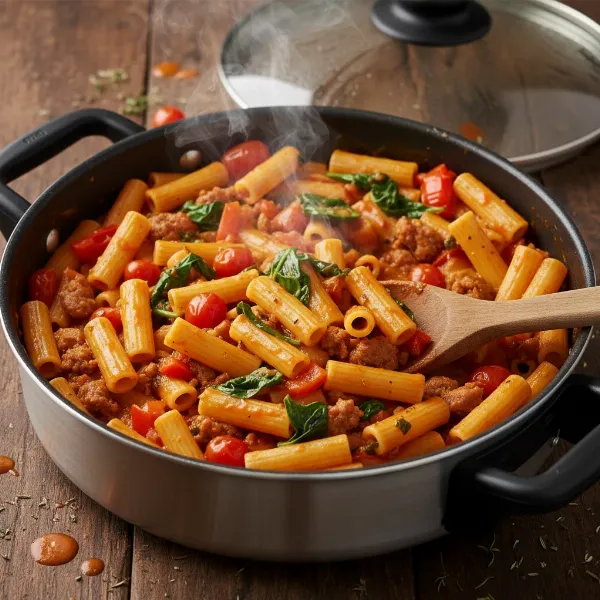 Delicious one-pot pasta dish simmering in an electric skillet, showcasing creamy sauce and ingredients.
Cleaning and Storage
- Clean Promptly After Use: Allow the skillet to cool completely before cleaning. Cleaning it while hot can damage the non-stick surface over time.
- Proper Cleaning Techniques: If your skillet has a detachable temperature probe, you can usually submerge the pan in warm, soapy water. Use a soft sponge or cloth and avoid abrasive scrubbers or harsh chemical cleaners, as these can strip the non-stick coating. For models that are not submersible, carefully wipe the interior with a damp cloth and mild soap, being careful not to wet the electrical components. Rinse thoroughly and dry completely.
- Smart Storage: Store your electric skillet in a dry place. If stacking other kitchen items on top, place a soft cloth or paper towel between the skillet’s cooking surface and other items to protect the non-stick coating from scratches and damage.
Conclusion
Making one-pot pasta meals in an electric skillet is more than just a convenience; it’s a smart cooking strategy that delivers delicious results with minimal fuss. From the consistent heat control that ensures perfectly cooked pasta to the joy of significantly less cleanup, the electric skillet truly elevates the home cooking experience. It empowers you to create flavorful, hearty meals that satisfy the soul, all while freeing up your time and simplifying your kitchen routine. Embrace the versatility and efficiency of this indispensable appliance, and transform your weeknight dinners into effortless culinary triumphs. We encourage you to try your hand at these simple yet spectacular dishes. What’s your go-to one-pot pasta combination you can’t wait to try in your electric skillet?
Frequently Asked Questions
Can I cook any type of pasta in an electric skillet?
While most pasta types can be cooked, shorter pastas like penne, rotini, or macaroni are ideal. Longer pastas like spaghetti should be broken into smaller pieces to ensure even cooking and to fit well within the skillet’s dimensions, allowing the liquid to cover them adequately.
How do I prevent pasta from sticking to the electric skillet?
To prevent sticking, ensure your electric skillet has a good non-stick coating. Start by sautéing ingredients with a little oil or butter, ensure sufficient liquid to cover the pasta, and stir occasionally, especially during the initial cooking phase, but avoid over-stirring.
What’s the ideal temperature for cooking one-pot pasta?
Typically, you’ll start at a higher temperature (around 325-350°F) to brown meats or bring liquids to a boil. Once the pasta is added, reduce the heat to a simmer (usually 225-250°F) and cover, allowing the pasta to cook gently until al dente.
How much liquid should I use for one-pot pasta in an electric skillet?
A good rule of thumb is to use just enough liquid (broth, water, sauce) to barely cover the pasta and other ingredients in the skillet. This allows the pasta to absorb the flavors and starches directly, creating a rich sauce. You can add more hot liquid a quarter cup at a time if the pasta becomes too dry before it’s fully cooked.
Can I make sauces from scratch or should I use jarred sauces for one-pot pasta?
You can absolutely make sauces from scratch! The electric skillet is excellent for sautéing aromatics and simmering homemade sauces. However, jarred sauces also work wonderfully for convenience, making one-pot pasta an even quicker meal solution.