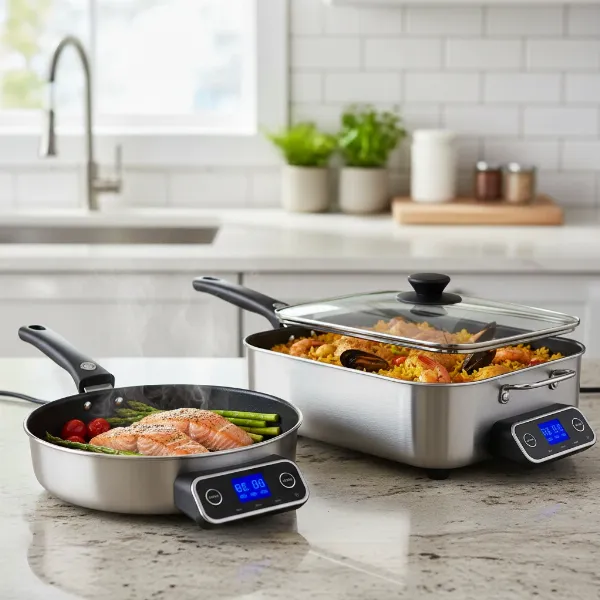
There are few kitchen experiences as unsettling as the sudden, acrid scent of burning plastic emanating from your trusty electric skillet. This alarming odor instantly raises concerns about safety, appliance damage, and even the food you’re preparing. As an electric skillet technician with over a decade of hands-on experience, I understand the anxiety this can cause. This comprehensive guide will delve into the various reasons why your electric skillet might be emitting that distinctive, unpleasant smell, help you assess the potential dangers, and provide actionable steps for troubleshooting, prevention, and maintaining a safe, odor-free cooking environment.
What is an Electric Skillet?
An electric skillet, also known as an electric frying pan, is a versatile kitchen appliance designed for cooking a wide range of dishes, from frying and sautéing to simmering and baking. Unlike traditional stovetop pans, an electric skillet features its own integrated heating element and temperature control, allowing for precise and consistent heat distribution. This self-contained design offers greater flexibility, making it a popular choice for everything from small apartments to large family kitchens. Its evolution has focused on improved non-stick coatings, more accurate thermostats, and enhanced safety features, transforming it into a reliable workhorse for countless culinary tasks.
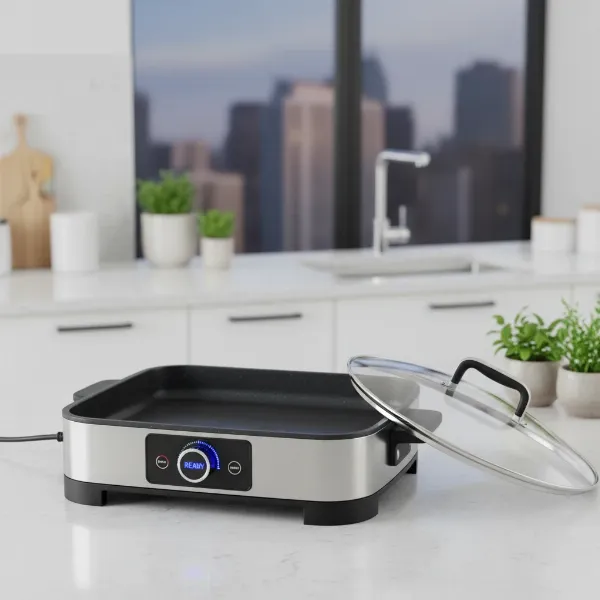 A modern electric skillet with temperature control dial ready for versatile kitchen cooking tasks.
Understanding the Burning Plastic Smell: Is It Dangerous?
The burning plastic smell coming from your electric skillet is more than just an inconvenience; it can be a significant indicator of an underlying issue, some of which pose serious safety risks. When plastics or synthetic materials burn, they release toxic fumes and volatile organic compounds (VOCs) into the air. Inhaling these fumes can cause respiratory irritation, headaches, and other health concerns. More critically, a persistent burning smell can be a precursor to an electrical fire, especially if the source is internal wiring or components. Therefore, it’s crucial to address this smell immediately and take precautionary measures to ensure your safety and the longevity of your appliance.
Common Reasons Your Electric Skillet Smells Like Burning Plastic
Identifying the exact source of the burning plastic smell is the first step toward resolving the issue. Several factors, ranging from minor annoyances to serious malfunctions, can contribute to this alarming odor.
First-Time Use and Manufacturing Residues
|
Our Picks for the Best Electric skillet in 2026
As an Amazon Associate I earn from qualifying purchases.
|
||
| Num | Product | Action |
|---|---|---|
| 1 | Elite Gourmet 12"x12"x2.15” Ceralast™ PFAS Free Ceramic Electric Skillet, Dishwasher Safe, Rapid Heat Up, 1200W, Dark Grey |

|
| 2 | bella Make & Take Electric Skillet, Fits-anywhere™ kitchenware, EverGood™ Ceramic Coating, Adjustable Temperature & Dishwasher-Safe Tempered Glass Lid, Cast Aluminum Base, 1200 Watt, Oatmilk |
|
| 3 | Elite Gourmet EG808 8” x 8" Non-stick Electric Skillet, Dishwasher Safe with Tempered Glass Vented Lid, Rapid Heat Up, 600W, Black |
|
| 4 | Nuwave Medley XL Digital Electric Skillet, Family Size Griddle w/Glass Lid, 2025 New & Improved Precision Heating, 100°-425°F, PFAS Free G11 Nonstick Ceramic Coating, Portable Hot Plate, 7qt Capacity |
|
| 5 | Presto 06857 16-inch Electric Foldaway Skillet, Black |
|
| 6 | Blue Diamond 7QT 5-in-1 Extra Large Electric Skillet, Healthy Ceramic Nonstick Interior, Non-Toxic PFAS-Free, Temperature Control, Stay Cool Handles, Easy Clean, Graphite |
|
| 7 | FOHERE 16-Inch Electric Skillet with Glass Cover, 1500W Rapid Heat, Adjustable Temperature, Multi-Purpose Electric Skillet Fried Chicken, Perfect For Family Gathering Cooking |
|
| 8 | Elite Gourmet EG-6203# Extra Deep 16"x13"x3.2" (10.5Qt.) Scratch Resistant, Easy Pour Spout Dishwasher Safe, Non-stick Electric Skillet with Glass Vented Lid, Adjustable Temperature, Black |
|
| 9 | Pioneer Woman 3.5L Electric Skillet, Linen Speckle |
|
| 10 | Elite Gourmet EG6201 Extra Deep 12"x12"x3.2" (7.5Qt.) Scratch Resistant Dishwasher Safe, Non-stick Electric Skillet with Glass Vented Lid, Adjustable Temperature, Black |
|
It’s not uncommon for a brand-new electric skillet to emit a slight, unusual odor during its initial few uses. This is often due to the burning off of protective oils, coatings, or manufacturing residues applied during the production process. These substances are generally harmless and designed to dissipate quickly. If the smell is mild and occurs only during the first one or two uses, it’s typically nothing to worry about. However, a strong, persistent plastic smell even after initial use warrants further investigation.
Food Debris or Cleaning Product Residue
One of the most frequent culprits behind a burning smell is trapped food debris or cleaning product residue. If food particles, grease, or spills accumulate on the heating element or the exterior base of the skillet, they can scorch and produce an unpleasant odor when heated. Similarly, if cleaning solutions are not thoroughly rinsed off after washing, they can burn and create a chemical or plastic-like smell during cooking. Even a small amount of residue can generate a surprisingly strong scent.
Melted Plastic Items or Utensils
Accidental contact with hot surfaces is another common reason for the smell. A plastic spatula, a forgotten plastic bag, or even a plastic part of a kitchen towel holder might have inadvertently touched the hot exterior of the skillet or even fallen into the pan itself during cooking. The intense heat of the skillet can quickly melt these items, causing a distinct burning plastic odor and potentially leaving a residue that continues to smoke. Always check around and inside the skillet for any foreign plastic objects.
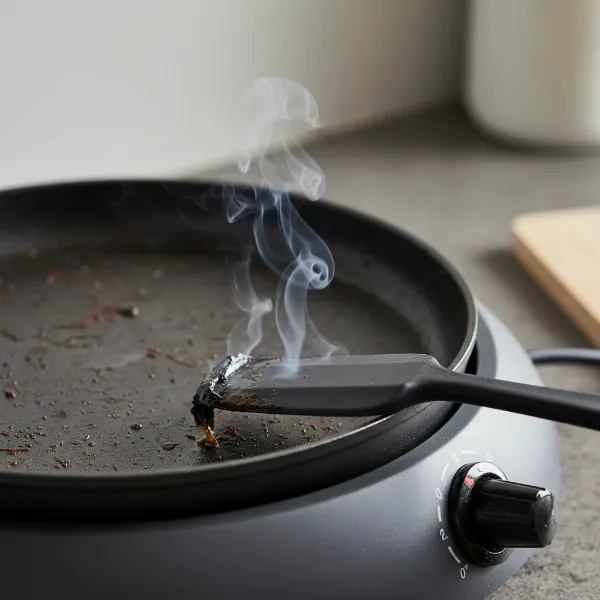 A plastic spatula with a melted tip resting on the hot surface of an electric skillet, causing smoke.
Overheating and Damaged Non-Stick Coating
Operating your electric skillet at excessively high temperatures, especially for prolonged periods, can lead to problems. Overheating can cause certain components to degrade or may even damage the non-stick coating on the cooking surface. When a non-stick coating is compromised or used beyond its recommended heat limits, it can release chemical odors. This is particularly noticeable if you’re using metal utensils that scratch the surface or if the pan has visible signs of wear and tear, such as flaking or bubbling.
Electrical Malfunctions and Wiring Issues
Perhaps the most concerning cause of a burning plastic smell is an electrical malfunction. Faulty wiring, a loose connection, a short circuit, or an overheating internal component can cause the plastic insulation around wires to melt and burn. This often manifests as a strong, persistent plastic odor, sometimes accompanied by visible smoke, flickering lights, or the skillet failing to heat properly. Electrical issues are serious and require immediate attention, as they pose a significant fire hazard.
External Plastic Component Overheating
Modern electric skillets incorporate various plastic components, from handles and temperature control dials to internal housing elements. If there’s an internal fault, such as a heating element working improperly or a thermostat failing, heat can transfer to nearby plastic parts not designed for such high temperatures. This localized overheating can cause these external plastic components to soften, melt slightly, and release a burning smell, even if the primary cooking surface seems fine.
Troubleshooting and Fixing the Burning Plastic Smell
When you detect a burning plastic smell, immediate and systematic troubleshooting is essential.
Immediate Actions to Take
The very first step is crucial: unplug the electric skillet immediately. Do not attempt to investigate or move the skillet while it is still connected to power. Move the skillet to a well-ventilated area, such as outdoors or near an open window, to allow any fumes to dissipate. Wait until the skillet has completely cooled down before proceeding with any inspection. Your safety is paramount.
Cleaning and Maintenance Solutions
Once cooled, begin your inspection. Look for any melted plastic stuck to the exterior or interior. Gently scrape off any residue with a non-abrasive scrubber. Thoroughly clean the entire skillet, especially the exterior base and under the heating element if accessible, to remove any food debris or cleaning product residue. Use warm, soapy water and a soft cloth, ensuring all surfaces are completely dry before re-plugging. For non-stick surfaces, follow manufacturer guidelines for cleaning.
When to Seek Professional Help or Replace Your Skillet
If, after thorough cleaning and inspection, the smell persists, or if you notice signs like visible smoke, sparks, tripped breakers, or the skillet failing to heat properly, it’s time to consider professional repair or replacement. Electrical issues are complex and dangerous for DIY fixes. A qualified appliance technician can diagnose internal faults. However, for many electric skillets, especially older or less expensive models, the cost of repair may exceed the cost of a new, safer appliance. Prioritize safety over saving a malfunctioning unit.
Preventing the Burning Plastic Smell in Your Electric Skillet
Proactive measures can significantly reduce the likelihood of encountering a burning plastic smell from your electric skillet.
Proper Seasoning and First-Time Use
For new skillets, especially those with non-stick coatings, always follow the manufacturer’s instructions for first-time use. This often involves a gentle wash and a short initial heat-up without food, which helps burn off manufacturing residues safely and primes the surface. Avoid using extremely high heat during the initial uses to allow the materials to settle.
Regular and Thorough Cleaning
Make a habit of cleaning your electric skillet after every use. Pay special attention to the exterior and any crevices where food or grease might accumulate. Ensure no cleaning solution residue remains before storage. A clean skillet is less likely to produce unpleasant odors.
Mindful Cooking Practices
- Temperature Control: Always use the appropriate temperature setting for your cooking task. Avoid maxing out the heat unless explicitly required and recommended. High heat can damage coatings and components over time.
- Suitable Utensils: Use only wooden, silicone, or plastic utensils specifically designed for non-stick surfaces to prevent scratching, which can lead to coating degradation and chemical smells.
- Watch for Spills: Be vigilant about spills, especially those that might drip down the sides or onto the heating element. Clean them up immediately to prevent scorching.
Safe Storage
Store your electric skillet in a clean, dry place where it’s protected from accidental damage. Ensure no plastic items, such as shopping bags or small containers, are stored inside the skillet or in direct contact with its heating elements or exterior surfaces, which could melt upon subsequent use.
Electric Skillet Buying Guide: Focusing on Safety and Durability
When selecting a new electric skillet, consider features that contribute to long-term safety and help prevent issues like burning smells. Look for models with:
- Robust Construction: Heavier, well-built skillets often indicate higher quality materials that can withstand consistent heat without degradation.
- Reliable Temperature Control: Precise and consistent thermostats prevent hot spots and overheating, protecting both the food and the appliance’s components.
- Durable Non-Stick Coatings: Invest in skillets with high-quality, PFOA-free non-stick coatings that are less prone to flaking or chemical release under heat. While all coatings degrade, better ones last longer.
- Heat-Resistant Handles and Bases: Ensure external plastic components, particularly handles and legs, are made from high-grade, heat-resistant materials designed to withstand proximity to the hot pan without melting or off-gassing.
- Reputable Brands and Warranties: Choose established brands known for their product safety and durability. A good warranty provides peace of mind and indicates manufacturer confidence in their product.
Tips for Using and Maintaining Your Electric Skillet
Beyond preventing burning smells, proper usage and maintenance extend the life and efficiency of your electric skillet.
General Usage Guidelines
Always ensure your electric skillet is placed on a stable, heat-resistant surface away from flammable materials. Never submerge the electrical plug or control probe in water. For models with detachable temperature controls, ensure they are securely inserted before plugging in the unit. Allow the skillet to preheat properly to achieve even cooking and prevent food from sticking.
Cleaning and Storage Best Practices
After each use, allow the skillet to cool completely before cleaning. Most electric skillets with removable probes can be fully immersed in water, but always consult your specific model’s manual. Hand washing with warm, soapy water and a soft sponge is often recommended to preserve non-stick surfaces. For stubborn food residue, soak the pan for a short period before cleaning. Ensure the skillet is thoroughly dry before storing to prevent water spots and potential electrical issues. Store it in a way that protects its interior coating and prevents accidental damage to external components.
Conclusion
A burning plastic smell from your electric skillet is a clear signal that something needs attention. While often a minor issue like food residue or first-time use odors, it can also indicate more serious electrical problems that demand immediate action. By understanding the common causes, taking prompt troubleshooting steps, and adopting diligent cleaning and maintenance routines, you can safeguard your kitchen and extend the life of your appliance. Investing in a quality electric skillet and using it responsibly are key to enjoying its convenience without the alarming scent of burning plastic.
What steps will you take today to ensure your electric skillet remains a safe and reliable companion in your culinary adventures?
Frequently Asked Questions
Why does my new electric skillet smell like burning plastic the first time I use it?
A new electric skillet may emit a mild burning plastic or chemical smell during its initial use due to the burning off of protective manufacturing oils or coatings. This is typically a one-time occurrence and usually harmless. Ensure good ventilation, and the smell should dissipate after a few uses.
Is it safe to use my electric skillet if it smells like burning plastic?
No, it is generally not safe. You should immediately unplug the skillet and investigate the cause. While some smells are benign (like first-use odors or burnt food residue), a persistent, strong burning plastic smell, especially with smoke, can indicate dangerous electrical issues or melting components, posing a fire hazard.
How do I get rid of a burning plastic smell from my electric skillet?
First, unplug the skillet and let it cool. Thoroughly inspect for and remove any melted plastic, food debris, or cleaning product residues on or around the heating element and cooking surface. Clean the skillet thoroughly with warm, soapy water, rinse well, and dry completely. If the smell persists after cleaning, it may indicate an internal issue.
Can old food stuck on the skillet cause a burning plastic smell?
Yes, absolutely. Old food particles, grease, or spills that accumulate on the heating element or the exterior of the skillet can easily scorch and produce a strong, unpleasant burning odor when the skillet heats up. Regular and thorough cleaning is essential to prevent this.
What should I do if my electric skillet is smoking and smells like burning plastic?
If your electric skillet is smoking and smells like burning plastic, immediately unplug it and move it to a safe, well-ventilated area. Do not use it again. Smoking combined with a burning plastic smell strongly suggests an electrical malfunction or severely melted components, which are significant fire risks. It’s best to replace the unit or have it professionally inspected.
Does overheating damage the non-stick coating and cause odors?
Yes, using an electric skillet at excessively high temperatures can damage the non-stick coating. When the coating degrades or is used beyond its recommended heat limits, it can release chemical fumes and odors that may resemble burning plastic. Always use appropriate heat settings and non-metal utensils to protect the coating.