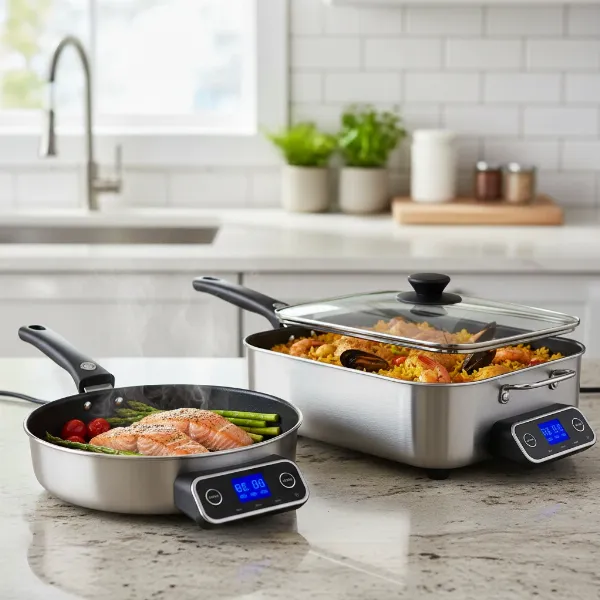
Few things are more frustrating in the kitchen than an appliance that hints at life but refuses to perform its core function. You plug in your trusty electric skillet, the indicator light glows reassuringly, yet the cooking surface remains stubbornly cold. This common dilemma can derail meal plans and leave you wondering if your favorite kitchen tool has met its end. Don’t despair just yet. Often, the solution is simpler than you think. This comprehensive guide will walk you through systematic troubleshooting steps, from basic checks to more advanced diagnostics, helping you identify the root cause and get your electric skillet sizzling again.
Understanding Your Electric Skillet’s Core Components
Before diving into troubleshooting, it’s helpful to understand the basic mechanics of how an electric skillet operates. At its heart, an electric skillet is a self-contained cooking appliance that uses electricity to generate heat. Unlike a traditional pan used on a stovetop, it has its own heating element and temperature control system.
The heating element is typically embedded within the skillet’s base, converting electrical energy into thermal energy. This is what directly heats the cooking surface. The temperature control unit (often a removable probe or a dial on the skillet itself) acts as the brain, regulating the power supplied to the heating element to maintain a consistent temperature. It contains a thermostat that senses the skillet’s heat and cycles the power on and off as needed, which is why the indicator light might flicker during normal operation. Lastly, the power cord connects the skillet to the electrical outlet, providing the necessary current. When the light is on but there’s no heat, it means electricity is reaching at least part of the circuit, but somewhere along the line, it’s failing to energize the heating element properly.
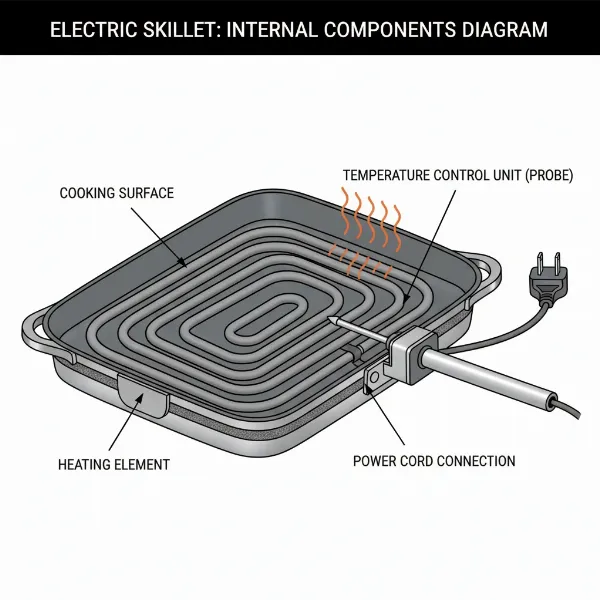 Diagram showing electric skillet heating element, temperature control, and power cord.
Initial Checks: The “Easy Wins” of Troubleshooting
Sometimes, the simplest explanations are the correct ones. Before you start thinking about internal components, run through these quick checks. They often resolve the issue without needing tools or advanced knowledge.
Power Source Verification
|
Our Picks for the Best Electric skillet in 2026
As an Amazon Associate I earn from qualifying purchases.
|
||
| Num | Product | Action |
|---|---|---|
| 1 | Elite Gourmet EG808 8” x 8" Non-stick Electric Skillet, Dishwasher Safe with Tempered Glass Vented Lid, Rapid Heat Up, 600W, Black |

|
| 2 | Nuwave Medley XL Digital Electric Skillet, Family Size Griddle w/Glass Lid, 2025 New & Improved Precision Heating, 100°-425°F, PFAS Free G11 Nonstick Ceramic Coating, Portable Hot Plate, 7qt Capacity |
|
| 3 | Elite Gourmet 12"x12"x2.15” Ceralast™ PFAS Free Ceramic Electric Skillet, Dishwasher Safe, Rapid Heat Up, 1200W, Dark Grey |
|
| 4 | Pioneer Woman 3.5L Electric Skillet, Linen Speckle |
|
| 5 | FOHERE 16-Inch Electric Skillet with Glass Cover, 1500W Rapid Heat, Adjustable Temperature, Multi-Purpose Electric Skillet Fried Chicken, Perfect For Family Gathering Cooking |
|
| 6 | Elite Gourmet EG6201 Extra Deep 12"x12"x3.2" (7.5Qt.) Scratch Resistant Dishwasher Safe, Non-stick Electric Skillet with Glass Vented Lid, Adjustable Temperature, Black |
|
| 7 | Presto 06857 16-inch Electric Foldaway Skillet, Black |
|
| 8 | Blue Diamond 7QT 5-in-1 Extra Large Electric Skillet, Healthy Ceramic Nonstick Interior, Non-Toxic PFAS-Free, Temperature Control, Stay Cool Handles, Easy Clean, Graphite |
|
| 9 | bella Make & Take Electric Skillet, Fits-anywhere™ kitchenware, EverGood™ Ceramic Coating, Adjustable Temperature & Dishwasher-Safe Tempered Glass Lid, Cast Aluminum Base, 1200 Watt, Oatmilk |
|
| 10 | Elite Gourmet EG-6203# Extra Deep 16"x13"x3.2" (10.5Qt.) Scratch Resistant, Easy Pour Spout Dishwasher Safe, Non-stick Electric Skillet with Glass Vented Lid, Adjustable Temperature, Black |
|
First, ensure your electric skillet is properly connected to a live electrical outlet. It might sound obvious, but a loose plug, a tripped circuit breaker, or a faulty outlet can prevent adequate power flow. Plug another small appliance into the same outlet to confirm it’s working. If the outlet is connected to a GFCI (Ground Fault Circuit Interrupter) circuit, check if it needs to be reset by pressing the “reset” button.
Temperature Control Connection and Settings
The temperature control unit is crucial for an electric skillet’s operation. Make sure it is fully and securely plugged into the electrical connection on the skillet itself. A loose connection here can interrupt the power flow to the heating element, even if the indicator light on the control unit illuminates. Also, double-check that the temperature setting is not set to “off,” “warm,” or its lowest possible setting. Turn the dial to a medium-to-high setting to see if heat is produced.
Inspecting the Power Cord
Visually inspect the entire length of the power cord for any signs of damage, such as fraying, cuts, kinks, or discoloration. A damaged cord can prevent electricity from reaching the heating element efficiently, or even create a safety hazard. If you notice any damage, the cord should be replaced, or the skillet should be taken to a professional for repair or discarded.
Common Culprits When Your Skillet Stays Cold
If the initial checks don’t solve the problem, the issue likely lies with one of the skillet’s internal components. These are the most frequent reasons an electric skillet will light up but fail to heat.
The Faulty Temperature Control/Thermostat
This is arguably the most common culprit when the indicator light works but there’s no heat. The temperature control unit, often a removable probe, houses a thermostat that regulates the heat. Over time, the internal contacts or mechanisms within this control unit can wear out or become faulty. Even if the light comes on, indicating it’s receiving power, it might not be effectively sending that power to the heating element. In many cases, replacing the temperature control unit with a compatible one can resolve the problem entirely.
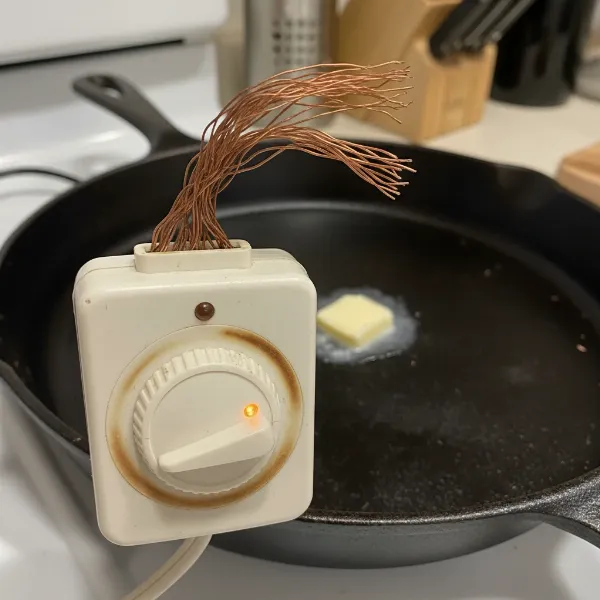 Close-up of a damaged or faulty temperature control unit for an electric skillet.
A Burned-Out Heating Element
The heating element is the component directly responsible for generating heat. While electric skillet elements are designed for durability, they can fail over time, often becoming an “open circuit” where the electrical path is broken. If the element burns out, electricity cannot flow through it to create heat, even if the indicator light on the control unit signals power is present. Unfortunately, if the heating element is cast directly into the skillet’s aluminum body, it’s usually not repairable or replaceable, making the entire skillet effectively unusable.
Internal Wiring and Connections
Beyond the power cord, internal wiring connects the temperature control to the heating element. Loose, corroded, or damaged wires or terminals within the skillet or the control unit can interrupt the electrical circuit, preventing the heating element from receiving power. This type of issue might be intermittent initially, with the skillet heating sometimes and not others, before failing completely. Identifying and fixing internal wiring usually requires disassembling the unit and some electrical knowledge.
The Often Overlooked Thermal Fuse
Some electric skillets incorporate a thermal fuse as a safety feature. This fuse is designed to blow and permanently cut off power if the skillet reaches an dangerously high temperature, preventing overheating and potential fire hazards. If your skillet has a thermal fuse and it has tripped, the skillet will cease to heat. The indicator light might still come on if it’s on a separate circuit or if enough residual power reaches the control unit, but no heat will be produced. Replacing a thermal fuse requires specific knowledge of the skillet’s internal construction and compatible parts.
Advanced Diagnostics: When to Grab Your Multimeter (and Why)
For those comfortable with basic electrical testing, a multimeter can provide definitive answers about which component has failed. Always ensure the electric skillet is unplugged from the power source before performing any tests or opening the unit.
Testing the Heating Element for Continuity
To test the heating element, you’ll need to access its terminals, which usually means removing the skillet’s base or cover. Set your multimeter to the ohms (Ω) setting. Place the probes on the two terminals of the heating element. A working heating element should show a specific resistance reading (typically between 10-50 ohms, though this varies by skillet model). If the multimeter displays “OL” (Open Line) or an infinite resistance, it indicates an open circuit, meaning the element has failed and cannot conduct electricity.
Checking the Temperature Control Unit
The temperature control unit can be more complex to test, but a basic continuity test can reveal if its internal switch is working. With the control unit unplugged from the skillet, set it to a medium-high temperature. Use the multimeter on the continuity or ohms setting to test the prongs that connect to the skillet. You should get a continuity reading. If there’s no continuity, even at high-temperature settings, the control unit’s internal switch or thermostat is likely faulty. Some units may have a thermal fuse within the control itself.
Safety First: Essential Precautions
Working with electrical appliances carries inherent risks. Before attempting any internal inspection or testing:
- UNPLUG THE SKILLET COMPLETELY: This is paramount to prevent electric shock.
- Allow Cooling: Ensure the skillet is completely cool before handling any internal components.
- Use Insulated Tools: If probing inside, use tools with insulated handles.
- Don’t Force Entry: If you can’t easily access components, it’s best to consult a professional or consider replacement.
- Knowledge is Key: Only attempt repairs if you have a basic understanding of electrical circuits and are confident in your abilities.
Repair or Replace? Making the Smart Decision
Once you’ve diagnosed the problem, the next step is to decide whether to repair or replace your electric skillet. This often comes down to cost, availability of parts, and your comfort level with DIY repairs.
When Repair is Feasible
Repair is often feasible and cost-effective if the problem is with a readily replaceable part like the temperature control unit. Many brands offer replacement control probes, and these are typically easy to swap out. If the issue is a simple loose wire that can be safely reconnected, repair might also be a good option. For more expensive or specialty skillets, even a more complex repair by a qualified technician might be worth the investment.
When Replacement is the Best Option
If the heating element is integrated into the skillet body and has failed, repair is generally not possible or economically viable. The cost of a new heating element, plus the labor to install it (if it were even replaceable), often exceeds the price of a brand-new electric skillet. Older models for which replacement parts are scarce or discontinued also lean towards replacement. When considering the hassle, potential cost, and safety implications of a difficult repair, buying a new unit often makes more sense, especially for budget-friendly models.
Cost-Benefit Analysis
Before committing to a repair, weigh the cost of parts and potential labor against the price of a new electric skillet. Consider the age of your skillet and its overall condition. An older skillet might soon experience other failures, making a repair a short-term fix. Modern electric skillets often come with improved features, better efficiency, and new warranties, which can make a new purchase a more attractive long-term investment.
“Many users are surprised to find that a simple fix, like replacing a faulty temperature probe, can bring their electric skillet back to life without needing to buy a whole new appliance. Always start with the easiest diagnostics.” – [Your Name/Role], Admin of electricskilletguide.com
Preventing Future Heating Headaches
A little preventative care can go a long way in extending the life of your electric skillet and avoiding future heating issues.
Proper Care and Maintenance
Always follow the manufacturer’s cleaning instructions. Avoid immersing electrical components (like the control unit) in water. Clean the cooking surface thoroughly after each use to prevent residue buildup that could impact performance over time. Store the skillet in a dry place where it won’t be easily knocked or have heavy objects placed on it, which could damage internal wiring or the heating element.
Smart Usage Habits
Avoid overheating your skillet unnecessarily. While most have safety features, consistently pushing them to their limits can shorten their lifespan. Ensure you’re using appropriate cooking utensils that won’t scratch the non-stick surface, protecting the underlying heating element. Always ensure the temperature control is securely inserted before plugging in the skillet and starting to cook.
Conclusion
An electric skillet that lights up but doesn’t heat can be a perplexing problem, but it’s often a solvable one. By systematically checking your power source, inspecting connections, and understanding the roles of the temperature control and heating element, you can often diagnose the issue yourself. While some problems, like a failed integrated heating element, might necessitate a replacement, many others can be resolved with a simple fix. Prioritizing safety and making an informed decision about repair versus replacement will ensure you continue to enjoy the versatility and convenience your electric skillet brings to your kitchen. What culinary creations will you bring to life once your skillet is back in perfect working order?
Frequently Asked Questions
Why does my electric skillet light up but not heat?
The most common reasons are a faulty temperature control unit, a burned-out heating element with an open circuit, or loose internal wiring. The light typically indicates that power is reaching the control unit, but not necessarily the heating element itself.
Can I replace the heating element in an electric skillet?
It depends on the skillet’s design. If the heating element is cast into the skillet’s body, it is generally not replaceable. If it’s a separate, accessible component, replacement might be possible, but parts can be difficult to source.
How do I test an electric skillet temperature control?
With the skillet unplugged and the control set to a high temperature, use a multimeter on the continuity or ohms setting to test the prongs that connect to the skillet. A lack of continuity indicates a likely fault within the control unit.
Is it worth repairing an old electric skillet?
Repairing an old electric skillet is often worth it for minor issues like a faulty temperature control that can be easily replaced. However, if the heating element is integrated and failed, or if the skillet is very old and parts are scarce, purchasing a new unit is usually more cost-effective and safer.