Leftovers are a true kitchen hero, offering a delicious encore to your culinary creations and saving precious time on busy days. But too often, the reheating process can strip them of their former glory, leaving them dry, rubbery, or bland. If you’ve ever sadly nibbled on a piece of chicken that lost its juiciness or pasta that turned into a sticky clump, you know the frustration. The good news? Your skillet is a secret weapon in the battle against dry leftovers. With the right techniques and a touch of know-how, you can transform your refrigerator’s forgotten treasures into meals that taste just as good, if not better, than their original serving.
What is a Skillet?
At its core, a skillet is a versatile, flat-bottomed cooking pan with shallow, sloping sides, designed for frying, searing, and browning foods. From basic stovetop models to advanced electric skillets, this kitchen essential has evolved significantly. Historically, a skillet was simply a cast iron pan placed over an open fire. Over time, materials like stainless steel and non-stick coatings emerged, making cooking and cleaning more convenient.
The advent of the electric skillet brought a new level of precision and portability to the table. An electric skillet incorporates its own heating element, allowing for independent temperature control, often more precise than a stovetop burner, and the freedom to cook virtually anywhere with an outlet. This self-contained unit excels at maintaining consistent heat, which is a crucial factor in successful reheating, preventing hot spots that can scorch food and cold spots that leave it underheated.
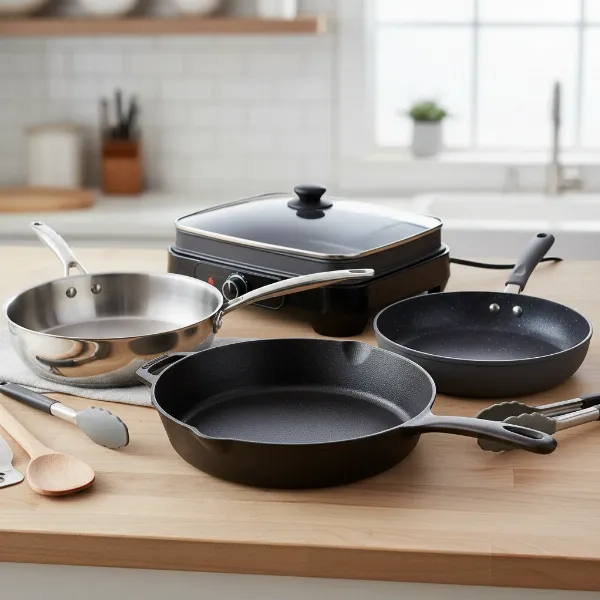 Variety of skillets including cast iron, non-stick, and electric on a kitchen counter.
Advantages and Disadvantages of Using a Skillet for Reheating
Using a skillet for reheating leftovers offers several benefits, but it also comes with a few considerations. Understanding these can help you choose the best method for your specific meal.
Advantages
- Flexibility and Convenience: Skillets are incredibly versatile, capable of reheating a wide array of foods from meats and pasta to rice and stir-fries. They are a go-to for small to medium portions, making them ideal for single servings or small families.
- Precise Temperature Control: Unlike the often aggressive and uneven heat of a microwave, a skillet, especially an electric one, allows you to maintain a consistent, gentle temperature. This control is vital for slowly warming food through without drying it out or overcooking delicate ingredients.
- Enhanced Texture and Flavor: A skillet can restore textures that microwaves often ruin. It can crisp up surfaces, melt cheese beautifully, and even create a new, delicious sear on meats or vegetables, reviving flavors that might have dulled in the fridge.
- Easy to Clean: Many modern skillets feature non-stick surfaces, making cleanup straightforward. Even cast iron, with proper seasoning, can be surprisingly easy to maintain after reheating.
|
Our Picks for the Best Electric skillet in 2026
As an Amazon Associate I earn from qualifying purchases.
|
||
| Num | Product | Action |
|---|---|---|
| 1 | Elite Gourmet 12"x12"x2.15” Ceralast™ PFAS Free Ceramic Electric Skillet, Dishwasher Safe, Rapid Heat Up, 1200W, Dark Grey |

|
| 2 | Elite Gourmet EG808 8” x 8" Non-stick Electric Skillet, Dishwasher Safe with Tempered Glass Vented Lid, Rapid Heat Up, 600W, Black |
|
| 3 | Presto 06857 16-inch Electric Foldaway Skillet, Black |
|
| 4 | Elite Gourmet EG-6203# Extra Deep 16"x13"x3.2" (10.5Qt.) Scratch Resistant, Easy Pour Spout Dishwasher Safe, Non-stick Electric Skillet with Glass Vented Lid, Adjustable Temperature, Black |
|
| 5 | bella Make & Take Electric Skillet, Fits-anywhere™ kitchenware, EverGood™ Ceramic Coating, Adjustable Temperature & Dishwasher-Safe Tempered Glass Lid, Cast Aluminum Base, 1200 Watt, Oatmilk |
|
| 6 | FOHERE 16-Inch Electric Skillet with Glass Cover, 1500W Rapid Heat, Adjustable Temperature, Multi-Purpose Electric Skillet Fried Chicken, Perfect For Family Gathering Cooking |
|
| 7 | Nuwave Medley XL Digital Electric Skillet, Family Size Griddle w/Glass Lid, 2025 New & Improved Precision Heating, 100°-425°F, PFAS Free G11 Nonstick Ceramic Coating, Portable Hot Plate, 7qt Capacity |
|
| 8 | Blue Diamond 7QT 5-in-1 Extra Large Electric Skillet, Healthy Ceramic Nonstick Interior, Non-Toxic PFAS-Free, Temperature Control, Stay Cool Handles, Easy Clean, Graphite |
|
| 9 | Elite Gourmet EG6201 Extra Deep 12"x12"x3.2" (7.5Qt.) Scratch Resistant Dishwasher Safe, Non-stick Electric Skillet with Glass Vented Lid, Adjustable Temperature, Black |
|
| 10 | Pioneer Woman 3.5L Electric Skillet, Linen Speckle |
|
Disadvantages
- Requires More Attention: Unlike setting a timer on a microwave or oven, reheating in a skillet often demands your presence and occasional stirring or flipping to ensure even heating and prevent burning.
- Not Ideal for Large Batches: While great for individual or small family portions, reheating a very large casserole or a significant quantity of food might be more efficiently done in an oven.
- Heating Source Dependency: Stovetop skillets require a burner, while electric skillets need an accessible power outlet, which can limit their use in certain situations compared to the universal access of a microwave.
- Certain Foods are Better Suited Elsewhere: While versatile, a skillet isn’t always the absolute best choice for every leftover. For instance, some baked goods might fare better in an oven to retain their original structure.
Common Types of Skillets for Reheating Leftovers
Choosing the right skillet can significantly impact your reheating success. Different materials and features offer distinct advantages for various food types.
Classified by Material
- Non-stick Skillets: These are excellent for delicate foods like eggs, pancakes, or any dish where sticking is a concern. The non-stick coating allows for minimal oil and easy release, making them perfect for gentle reheating. They heat quickly and evenly.
- Cast Iron Skillets: Beloved for their heat retention and even heat distribution, cast iron skillets are fantastic for reheating foods that benefit from a crisp exterior, like pizza slices or roasted potatoes. They can get very hot, so careful temperature management is essential to prevent drying out.
- Stainless Steel Skillets: Durable and versatile, stainless steel skillets are good all-rounders. They conduct heat well and are non-reactive, making them suitable for saucy dishes or foods with acidic ingredients. You might need a bit more oil to prevent sticking compared to non-stick.
Classified by Features
- Skillets with Lids: A lid is arguably the most crucial feature for reheating without drying out. It traps steam, creating a moist, humid environment that rehydrates food and ensures even heating. Many stovetop and electric skillets come with tightly fitting lids.
- Skillets with Precise Temperature Control (Electric Skillets): Electric skillets offer built-in thermostats, allowing you to set an exact temperature. This precision is invaluable for “low and slow” reheating, preventing hot spots and ensuring your food warms through gently and consistently. This feature is a game-changer for delicate proteins or saucy dishes.
Mastering the Art: General Tips for Reheating in a Skillet
Reheating food in a skillet isn’t just about throwing it in a pan; it’s an art that focuses on preserving moisture and flavor. Here are the fundamental techniques to master.
- The “Low and Slow” Approach: Patience is key. Reheating on low to medium-low heat prevents the rapid evaporation of moisture that often leads to dry, tough leftovers. Gentle heat allows the food to warm through evenly from the center to the edges without overcooking the exterior. Think of it as waking up the food, not cooking it again.
- The Power of Steam: Adding Moisture: This is perhaps the most critical tip. As foods cool, they often lose moisture. To counteract this, add a small splash of liquid to your skillet before or during reheating.
- For savory dishes, use water, vegetable broth, chicken stock, or even a bit of the original sauce.
- For creamy pasta or dishes, a splash of milk or cream works wonders.
- For plain grains like rice, a tablespoon or two of water per cup can restore its fluffy texture.
- “Adding just a little bit of liquid to the pan before covering and reheating is the simplest, most effective way to infuse moisture back into your leftovers,” says an experienced culinary expert.
- The Importance of a Lid: Covering your skillet with a tight-fitting lid is essential. The added liquid turns into steam, which then gets trapped by the lid. This steam circulates, rehydrating the food and ensuring a moist, even heat distribution, preventing the dreaded “crispy edges, cold center” scenario.
- Preheating the Skillet: For many foods, especially those you want to crisp up (like pizza or roasted potatoes), preheating the skillet for a minute or two with a tiny bit of oil or butter before adding the food can create a better texture and prevent sticking from the start.
- Stirring and Turning: For dishes like rice, pasta, or chopped vegetables, occasional stirring promotes even heating and prevents sticking or scorching on one side. For larger items like chicken breasts, turning them once or twice ensures consistent warmth throughout.
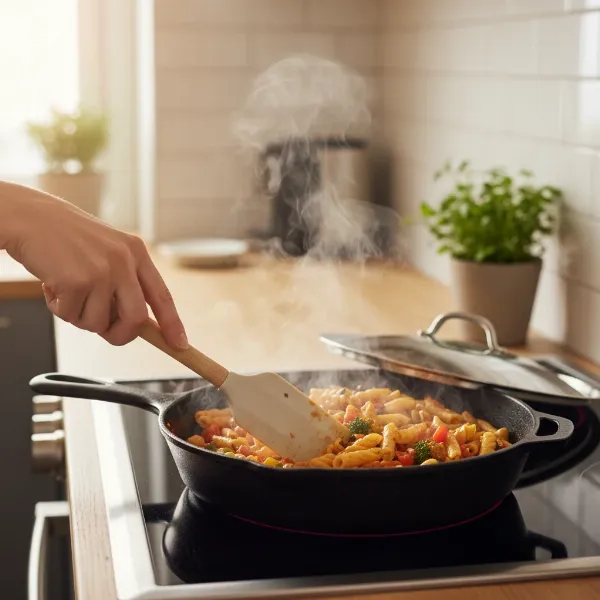 Hand gently stirring pasta in a skillet on a stove, with steam rising from the food.
Reheating Specific Leftovers in a Skillet
Different foods require slightly different approaches when reheating in a skillet to achieve optimal results.
Meats (Chicken, Pork, Beef)
Reheating cooked meats can be tricky as they tend to dry out quickly.
- Thin slices vs. whole pieces: For thinner slices of meat, a quick reheat over low-medium heat with a small amount of liquid (broth or water) and a lid is ideal. For thicker pieces, consider cutting them into smaller, more manageable portions to allow for faster, more even reheating.
- Adding broth/water: Always add a tablespoon or two of chicken or beef broth, or even just water, to the bottom of the skillet. This creates steam to keep the meat moist.
- Covering for tenderness: Cover the skillet tightly with a lid. The trapped steam gently rehydrates the meat, bringing back its tenderness without turning it rubbery. Heat until warmed through, around 165°F (74°C).
Pasta and Noodles
Leftover pasta can become a clumpy, dry mess, but a skillet can revive it.
- Plain vs. sauced pasta: For plain pasta, add a tablespoon of water or broth to the pan with a little olive oil. For sauced pasta, add a splash of water, stock, or even reserved pasta water.
- Adding water, broth, or milk: For creamy pasta dishes, a splash of milk or cream helps reconstitute the sauce and prevents the pasta from becoming pasty.
- Stirring to prevent sticking: Reheat over medium-low heat, stirring frequently, until the pasta is heated through and the sauce is smooth again.
Rice and Grains
Dry, hard rice is a common leftover woe, but steaming in a skillet can bring it back to life.
- Fluffing and adding moisture: Break up any large clumps of cold rice. For every cup of cooked rice, add 1-2 tablespoons of water or broth to the skillet.
- Covering for steam: Cover the skillet tightly with a lid and heat on low. The steam will rehydrate the grains, making them fluffy again. Stir occasionally to ensure even heating.
Vegetables and Stir-fries
These can easily become limp or mushy if not reheated correctly.
- Maintaining crispness: For stir-fries, a quick toss in a hot skillet with a tiny bit of oil can restore some crispness. For roasted vegetables, cover the skillet with a lid, adding a tablespoon of water or broth, and heat gently to warm them through without overcooking.
- Quick reheating methods: Use medium heat and don’t overcrowd the pan, allowing for quicker, more even heating.
Other Favorites (e.g., Pizza, Pancakes)
Even notoriously tricky leftovers can shine in a skillet.
- Crisping and melting cheese: For pizza, place slices in a cold cast iron or non-stick skillet. Heat on medium-low with a lid for about 5-7 minutes. Add a few drops of water to the pan, not on the pizza, right before covering to create steam for melting the cheese and achieving a crispy crust.
- Rehydrating dry items: For dry items like leftover pancakes or waffles, a light spray of water, a quick warm-up in a covered non-stick skillet on low heat will bring back their softness and warmth.
Choosing the Right Skillet for Your Reheating Needs
Selecting the perfect skillet extends beyond just cooking; it’s about ensuring your leftovers reach their full potential. As an Admin of electricskilletguide.com, I’ve seen firsthand how the right tools can revolutionize your kitchen experience, especially for reheating.
Assess Your Needs
Before purchasing, consider what you frequently reheat. Are you often warming up single servings of pasta, or larger batches of stew? Do you prioritize crispy textures or moist tenderness? Your reheating habits should guide your choice. For instance, if you regularly deal with saucy dishes, a skillet with deeper sides and a tight-fitting lid is essential.
Size and Capacity
Skillets come in a range of sizes, typically from 8 inches to 14 inches or more. For reheating, a medium-sized skillet (10-12 inches) is often the most versatile, accommodating meals for one or two people without excessive overcrowding. If you primarily cook for a larger family, a larger skillet or an electric skillet with a generous capacity might be more suitable. Overcrowding a pan can lead to steaming rather than browning, and uneven reheating.
Material Matters
As discussed, different materials offer distinct benefits:
- Non-stick: Ideal for delicate foods and low-fat reheating, perfect for most everyday leftovers.
- Cast Iron: Unbeatable for heat retention and achieving a beautiful sear or crisp crust. Excellent for pizza or any food you want to develop a bit of texture.
- Stainless Steel: Durable, versatile, and excellent for browning. A good all-around choice, though it may require a bit more fat to prevent sticking.
Essential Features
- A Tight-Fitting Lid: This is non-negotiable for moist reheating. A lid traps steam, which is crucial for rehydrating food and ensuring even heating without drying it out. Many electric skillets come with clear glass lids, allowing you to monitor your food without lifting.
- Precise Temperature Control (Electric Skillets): This feature truly sets electric skillets apart. The ability to set and maintain an exact temperature—be it a low simmer or a gentle warm—makes them exceptionally good for controlled reheating. This precision eliminates guesswork and reduces the risk of scorching or drying.
- Ergonomic Handle: A comfortable, heat-resistant handle is important for safe and easy maneuvering, especially when dealing with hot food.
Brand Reputation and Reviews
While specific brand names for general skillets might vary, always look for manufacturers known for quality cookware. Read reviews focusing on performance, durability, and ease of cleaning, especially concerning consistent heating and non-stick longevity. Investing in a reputable brand often means better materials and more reliable performance over time.
Tips for Skillet Care and Maintenance
Proper care ensures your skillet remains a reliable tool for delicious leftovers for years to come.
Usage Tips
- First-Time Use: For non-stick skillets, a quick wash with warm, soapy water before first use is usually sufficient. For cast iron, proper seasoning is crucial. Follow manufacturer instructions, which typically involve washing, drying thoroughly, and applying a thin layer of cooking oil before heating.
- Adjusting Temperature: Always start with a lower heat setting than you think you need, especially with electric skillets. It’s easier to increase the temperature gradually than to rescue scorched food. Electric skillets give you the advantage of setting a precise temperature, so familiarize yourself with its settings.
- Using Proper Utensils: For non-stick surfaces, always use wooden, silicone, or plastic utensils to avoid scratching the coating. Metal utensils are generally fine for cast iron and stainless steel, but be mindful of scratching highly polished surfaces.
Cleaning and Storage
- Clean After Each Use: Allow the skillet to cool slightly, then wash it with warm, soapy water. For non-stick, a soft sponge is usually enough. For cast iron, avoid harsh soaps and abrasive scrubbers; clean with hot water and a stiff brush, then dry thoroughly and apply a thin layer of oil to maintain seasoning.
- Avoid Thermal Shock: Do not plunge a hot skillet into cold water, as this can warp the pan (especially stainless steel and non-stick) or crack cast iron.
- Proper Storage: Store skillets in a way that prevents scratching. If stacking, place a paper towel or cloth protector between pans. Ensure skillets are completely dry before storing to prevent rust, particularly with cast iron.
Conclusion
Reheating leftovers in a skillet doesn’t have to be a gamble. By embracing the principles of low, gentle heat, judicious moisture addition, and the power of a lid, you can consistently bring your stored meals back to life with vibrant flavor and perfect texture. Whether you’re refreshing a hearty stew, revitalizing pasta, or crisping up last night’s pizza, your skillet is an invaluable ally, offering precision and control that other methods often lack.
So, next time you open your fridge to a bounty of leftovers, remember these simple skillet strategies. You’ll not only reduce food waste but also elevate your culinary experience, transforming yesterday’s meal into a fresh, satisfying delight. What will be the first leftover dish you transform with your newfound skillet reheating mastery?
Frequently Asked Questions
Why do leftovers often taste dry or rubbery when reheated?
Leftovers tend to dry out because the initial cooking process and subsequent cooling cause moisture to evaporate from the food. Reheating, especially with high, dry heat (like in a microwave), can further strip away remaining moisture, leading to dry, tough, or rubbery textures.
What is the ideal temperature setting for reheating in a skillet?
The ideal temperature for reheating in a skillet is typically low to medium-low. This allows for gentle, even warming without rapidly evaporating moisture or scorching the food. Electric skillets are particularly excellent for maintaining these precise lower temperatures.
How much liquid should I add to my skillet when reheating?
Generally, a tablespoon or two of liquid (water, broth, or milk) is sufficient for a single serving or a small portion of leftovers. The goal is to create steam, not to boil the food. Adjust based on the amount and type of food you are reheating, adding just enough to barely cover the bottom of the pan.
Can I reheat all types of food in a skillet?
While very versatile, a skillet is best for foods that benefit from direct heat, like meats, pasta, rice, stir-fries, and certain baked goods like pizza. Very large casseroles or delicate items that require a gentle, all-around warmth (like some custards) might be better suited for an oven or double boiler.
Is it safe to reheat food multiple times in a skillet?
For food safety, it’s generally recommended to reheat food only once. While the skillet method helps maintain quality, repeated reheating increases the risk of bacterial growth if not handled properly and can further degrade the food’s texture and flavor. Always ensure food reaches 165°F (74°C) throughout.
How do I prevent delicate items like fish from drying out in a skillet?
For delicate items like fish, use a very low heat setting with a small amount of oil or butter and a splash of liquid (like white wine or fish broth). Cover the skillet tightly to trap steam, and reheat very gently for only a few minutes until just warmed through, being careful not to overcook.
What if I don’t have a lid for my skillet?
If you don’t have a matching lid, you can improvise. Use a piece of aluminum foil to cover the skillet tightly, crimping the edges to seal in the steam. Alternatively, an inverted plate that fits snugly over the skillet can also work effectively.