Imagine biting into a slice of homemade pizza, the cheese perfectly melted, the toppings vibrant, and that satisfying crunch of a truly crispy crust. What if you could achieve this culinary dream without ever turning on your oven? With an electric skillet, you can transform your kitchen into a pizzeria, delivering delicious, crispy-crusted pizzas right on your countertop. This guide will walk you through everything you need to know, from preparing your ingredients to mastering the skillet for a flawless, crispy pizza every time.
What is an Electric Skillet, and Why Use It for Pizza?
An electric skillet is a versatile countertop appliance that operates much like a traditional frying pan but with its own heating element and precise temperature control. It’s often deeper than a regular skillet, usually comes with a lid, and is designed for a wide range of cooking tasks, from frying and sautéing to simmering and baking.
For pizza, an electric skillet is a true game-changer. Its even heat distribution across the cooking surface is ideal for ensuring the crust cooks uniformly, a critical factor for achieving crispiness. Unlike a conventional oven, which heats a large cavity, an electric skillet focuses heat directly onto the base of the pizza, mimicking the effect of a pizza stone or a professional pizza oven. This direct contact heat is key to developing that coveted golden-brown, crunchy crust. Moreover, it’s energy-efficient, especially for smaller meals, and frees up your oven for other dishes, making it perfect for busy weeknights or when you simply want to avoid heating up your entire kitchen.
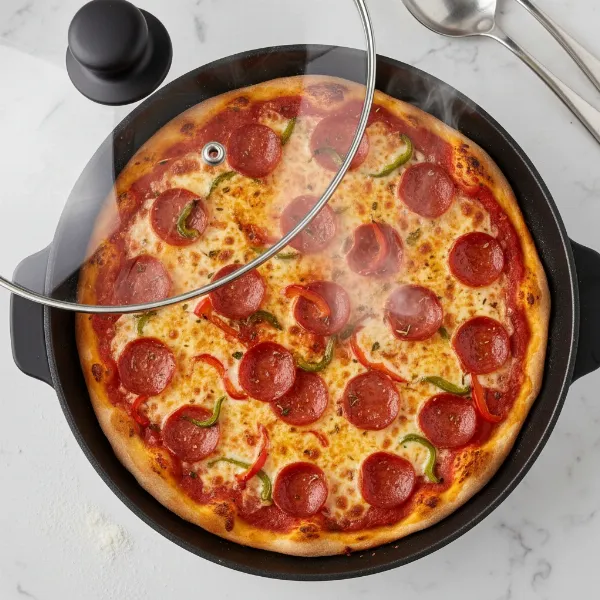 Electric skillet with pizza cooking, cheese melting, crust browning evenly
Advantages and Disadvantages of Electric Skillet Pizza
Cooking pizza in an electric skillet offers a unique set of benefits and a few considerations. Understanding these will help you make the most of this cooking method.
Advantages
- Flexibility and Convenience: An electric skillet allows you to make pizza anywhere with an electrical outlet, whether it’s your kitchen, an RV, or a dorm room. It’s a quick solution for spontaneous pizza cravings.
- Precise Temperature Control: Most electric skillets come with an adjustable thermostat, allowing you to set and maintain the exact temperature needed for optimal crust development and topping doneness. This prevents burning and ensures even cooking.
- Energy Efficiency and Space Saving: For a single pizza, an electric skillet uses less energy than preheating and running a large oven. It’s also a compact appliance that can be stored away when not in use, ideal for smaller kitchens.
- Easy Cleanup: Many modern electric skillets feature non-stick surfaces and are designed for easy cleaning, often with removable parts that are dishwasher-safe, simplifying post-meal chores.
|
Our Picks for the Best Electric skillet in 2026
As an Amazon Associate I earn from qualifying purchases.
|
||
| Num | Product | Action |
|---|---|---|
| 1 | Elite Gourmet EG-6203# Extra Deep 16"x13"x3.2" (10.5Qt.) Scratch Resistant, Easy Pour Spout Dishwasher Safe, Non-stick Electric Skillet with Glass Vented Lid, Adjustable Temperature, Black |

|
| 2 | Elite Gourmet EG808 8” x 8" Non-stick Electric Skillet, Dishwasher Safe with Tempered Glass Vented Lid, Rapid Heat Up, 600W, Black |
|
| 3 | Elite Gourmet EG6201 Extra Deep 12"x12"x3.2" (7.5Qt.) Scratch Resistant Dishwasher Safe, Non-stick Electric Skillet with Glass Vented Lid, Adjustable Temperature, Black |
|
| 4 | Pioneer Woman 3.5L Electric Skillet, Linen Speckle |
|
| 5 | Presto 06857 16-inch Electric Foldaway Skillet, Black |
|
| 6 | FOHERE 16-Inch Electric Skillet with Glass Cover, 1500W Rapid Heat, Adjustable Temperature, Multi-Purpose Electric Skillet Fried Chicken, Perfect For Family Gathering Cooking |
|
| 7 | Elite Gourmet 12"x12"x2.15” Ceralast™ PFAS Free Ceramic Electric Skillet, Dishwasher Safe, Rapid Heat Up, 1200W, Dark Grey |
|
| 8 | Nuwave Medley XL Digital Electric Skillet, Family Size Griddle w/Glass Lid, 2025 New & Improved Precision Heating, 100°-425°F, PFAS Free G11 Nonstick Ceramic Coating, Portable Hot Plate, 7qt Capacity |
|
| 9 | Blue Diamond 7QT 5-in-1 Extra Large Electric Skillet, Healthy Ceramic Nonstick Interior, Non-Toxic PFAS-Free, Temperature Control, Stay Cool Handles, Easy Clean, Graphite |
|
| 10 | bella Make & Take Electric Skillet, Fits-anywhere™ kitchenware, EverGood™ Ceramic Coating, Adjustable Temperature & Dishwasher-Safe Tempered Glass Lid, Cast Aluminum Base, 1200 Watt, Oatmilk |
|
Disadvantages
- Limited Mobility: While convenient for countertop use, an electric skillet requires a power source, limiting where you can cook. It’s not a truly portable outdoor cooking device like a grill.
- Size Limitations: The size of your pizza is dictated by the dimensions of your electric skillet. You won’t be able to make oversized family pizzas, and deep-dish styles might require a very deep skillet.
- Not Suitable for All Baking Styles: While excellent for crispy crusts, an electric skillet doesn’t typically provide the intense, all-around radiant heat of a very hot oven needed for certain pizza styles, such as those that rely on a heavily charred crust or very rapid cooking of toppings from above.
Essential Gear: Choosing the Right Electric Skillet for Pizza
Selecting the right electric skillet can significantly impact your pizza-making experience. Look for these features to ensure optimal results:
- Size: A 12-inch electric skillet is a popular choice, offering enough surface area for a decent-sized personal or small family pizza. Consider your typical serving size when choosing.
- Non-Stick Coating: A high-quality non-stick interior is crucial for easy handling of the dough and preventing the pizza from sticking, especially when trying to achieve a crispy bottom.
- Temperature Range and Control: Ensure the skillet can reach at least 375°F (190°C), as this is a common starting temperature for pizza crusts. A precise thermostat is vital for managing the heat.
- Tight-Fitting Lid: A lid helps trap heat, ensuring your toppings cook through and your cheese melts evenly without overcooking the crust. A glass lid is a bonus, allowing you to monitor progress without lifting it.
- Depth: While not strictly necessary for thin-crust pizza, a deeper skillet can accommodate more substantial toppings or even a slightly thicker crust if desired.
The Secret to a Crispy Crust: Step-by-Step Electric Skillet Pizza Recipe
Achieving that perfect crispy crust in an electric skillet is simpler than you might think. Follow these steps for a truly satisfying homemade pizza.
Ingredients You’ll Need
- Pizza Dough: One 10-12 oz ball (store-bought or homemade).
- Olive Oil: 1-2 tablespoons, plus extra for brushing.
- Pizza Sauce: ½ cup of your favorite.
- Mozzarella Cheese: 1-1½ cups, shredded.
- Your Favorite Toppings: Pepperoni, mushrooms, bell peppers, onions, cooked sausage, etc. (prepared and ready).
- Optional Seasonings: Italian seasoning, garlic powder, red pepper flakes.
Preparing Your Dough for Success
Whether you’re using store-bought or homemade dough, proper preparation is key. Roll out your pizza dough on a lightly floured surface into a round shape that fits comfortably into your electric skillet. Aim for a thickness that suits your preference, but remember that a thinner crust will generally result in a crispier texture. If using store-bought dough, allow it to come to room temperature for easier handling.
Mastering the Skillet: Achieving Crispy Perfection
The magic of electric skillet pizza lies in a two-stage cooking process that guarantees a crispy base and perfectly melted toppings.
- Preheating the Skillet: Preheat your lightly greased electric skillet to 375°F (190°C). Greasing the skillet thoroughly with olive oil, or even a little bacon grease or Crisco, is vital as this fat will help “fry” the bottom of your crust, preventing sogginess and promoting crispiness.
- Pre-Cooking the Crust: Carefully place the rolled-out pizza dough into the hot skillet. Cook for 1-2 minutes, or until the bottom side turns golden brown. This initial cooking sets the crust and begins the crisping process.
- The Flip and Top: Once the first side is golden, brush the uncooked top side of the dough with a little olive oil. Using a spatula, carefully flip the crust to begin cooking the other side. Immediately after flipping, reduce the skillet’s temperature to 300°F (150°C).
- Adding Toppings: Quickly spread your pizza sauce evenly over the flipped crust, leaving a small border for the edges. Sprinkle with Italian seasoning if desired. Layer on your shredded mozzarella cheese, followed by your favorite toppings.
- Final Cooking: Cover the electric skillet with its lid. Cook for 10-15 minutes, or until the cheese is melted and bubbly, and the bottom of the crust is golden brown and crispy. The lid helps to trap heat, ensuring the cheese melts and the toppings warm through evenly.
- Rest and Serve: Carefully transfer the finished pizza from the skillet to a cutting board. Let it rest for 1-2 minutes before slicing and serving. This brief rest helps the cheese set and makes for easier slicing.
Customizing Your Pizza
The beauty of homemade pizza is the endless customization. Experiment with different sauces (pesto, white garlic sauce), cheeses (provolone, Parmesan, feta), and an array of toppings. Remember to use pre-cooked meats and slice vegetables thinly to ensure they heat through properly in the skillet’s cooking time.
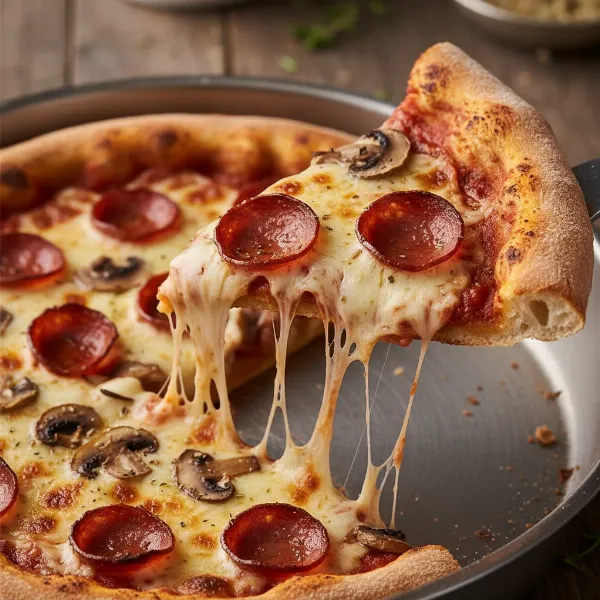 Close-up of a perfectly cooked crispy pizza slice from an electric skillet, showing crunchy crust
Troubleshooting Common Electric Skillet Pizza Problems
Even with the best intentions, you might encounter a few hurdles. Here’s how to tackle them:
- Soggy Crust: The most common culprit is insufficient pre-cooking of the crust or not enough fat in the skillet. Ensure your skillet is well-greased and that you cook the first side of the dough until visibly golden before flipping and adding toppings. Too many watery toppings can also contribute to a soggy crust; try patting down moisture-rich vegetables before adding them.
- Uneven Cooking: This could be due to uneven heat distribution in your skillet (though most electric skillets are designed to prevent this) or an unevenly rolled dough. Ensure your dough is consistent in thickness and your skillet is fully preheated.
- Cheese Not Melted/Burns: If your cheese isn’t melting but the crust is browning, your heat might be too high or your lid isn’t sealing well. If the cheese is burning, your heat is definitely too high. Lower the temperature slightly and ensure the lid is on tight. Using pre-shredded cheese can sometimes contain anti-caking agents that hinder melting; fresh shredding is often better.
Tips for Using and Maintaining Your Electric Skillet for Pizza
Proper usage and care will ensure your electric skillet remains a reliable tool for delicious pizzas.
Usage Tips
- Don’t Overcrowd: Resist the urge to make a giant pizza. Ensure your dough fits comfortably in the skillet without touching the sides excessively, allowing for even heat circulation.
- Monitor Temperature: While electric skillets have thermostats, it’s good practice to keep an eye on the cooking process, especially the crust. Adjust the temperature knob slightly if you notice it cooking too fast or slow.
- Safety First: Always use oven mitts when handling a hot skillet and its lid. Ensure the skillet is on a stable, heat-resistant surface away from water sources.
Cleaning and Storage
- Allow to Cool: Always let your electric skillet cool down completely before attempting to clean it.
- Hand Wash Recommended: Even if parts are dishwasher-safe, hand washing with warm, soapy water can prolong the life of the non-stick coating. Avoid abrasive scrubbers.
- Proper Storage: Store your skillet and lid separately to prevent scratching the non-stick surface, or place a soft cloth between them.
Electric Skillet Pizza vs. Oven-Baked: A Quick Comparison
While both methods yield delicious pizza, they have distinct characteristics. Oven-baked pizza often benefits from intense, all-around heat that can cook toppings and melt cheese rapidly, sometimes resulting in a slightly chewier crust with some charring. Electric skillet pizza, however, excels at creating an incredibly crispy bottom crust due to direct contact heat, often without needing to preheat a large oven. It’s a fantastic option for a quick, single-serving pizza or when you want that specific bottom crispiness that can be harder to achieve in a conventional oven without a pizza stone.
Conclusion
Creating a mouthwatering, crispy-crusted pizza in your electric skillet is not just possible, it’s remarkably easy and efficient. By pre-cooking and flipping your dough, precisely managing the temperature, and greasing your skillet adequately, you can bypass the oven and still achieve pizzeria-quality results. The convenience, energy efficiency, and delectable crispiness make the electric skillet an excellent tool for any pizza enthusiast.
So, are you ready to unlock the full potential of your electric skillet and impress your taste buds with the crispiest homemade pizza?
Frequently Asked Questions
Can I make deep-dish pizza in an electric skillet?
While you can make a thicker crust, a true Chicago-style deep-dish pizza typically requires a specific deep baking pan and an oven to cook through its substantial layers of dough, cheese, and sauce effectively. An electric skillet is best suited for thinner to medium-thickness crusts.
What kind of dough works best for electric skillet pizza?
Both store-bought and homemade pizza dough work well. For the crispiest results, opt for a dough that can be rolled out relatively thin. Some recipes suggest a dough specifically designed for skillet or stovetop cooking for optimal texture.
How do I prevent the crust from being soggy?
To avoid a soggy crust, ensure your electric skillet is thoroughly greased and sufficiently hot (around 375°F) before adding the dough. Pre-cooking one side of the crust until golden brown before adding toppings, and then flipping it, is a critical step for preventing sogginess and promoting crispiness.
Can I use frozen pizza in an electric skillet?
It’s generally not recommended to cook a frozen pizza directly in an electric skillet, as they are usually designed for oven baking and may not cook evenly or crisp up properly on a direct heat surface. It’s best to use fresh or thawed dough.
What temperature should I set my electric skillet for pizza?
Start by preheating your electric skillet to 375°F (190°C) for the initial crust cooking. After flipping the dough and adding toppings, reduce the temperature to around 300-325°F (150-160°C) to allow the toppings to cook and cheese to melt without burning the crust.
How long does it take to cook pizza in an electric skillet?
The total cooking time for an electric skillet pizza typically ranges from 12-20 minutes, depending on your skillet’s heat, the dough’s thickness, and the amount of toppings. The initial crust pre-cook takes about 1-2 minutes per side, followed by 10-15 minutes once toppings are added and the skillet is covered.
Do I need to cover the electric skillet while the pizza cooks?
Yes, covering the electric skillet with its lid is highly recommended once you’ve added the toppings. The lid traps heat, which helps the cheese melt evenly and ensures the toppings cook through without over-browning the crust.