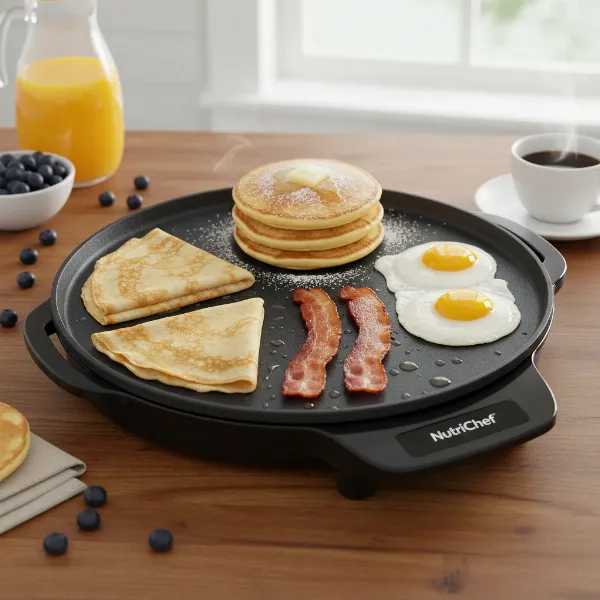
Few things evoke the cozy anticipation of a movie night quite like a fresh, warm bowl of popcorn. While microwave bags and stovetop methods have their place, mastering the art of electric skillet popcorn elevates this classic snack to a new level of perfection. An electric skillet offers unparalleled temperature control and ample space, transforming ordinary kernels into uniformly popped, fluffy delights, ensuring every movie night is a blockbuster hit. This comprehensive guide will walk you through everything you need to know, from choosing the right skillet to popping like a pro and beyond.
What is an Electric Skillet, and Why is it Perfect for Popcorn?
An electric skillet is a versatile countertop appliance that functions as a self-contained heating element and cooking surface, equipped with its own temperature control. Unlike traditional stovetop pans, which rely on external heat sources, electric skillets maintain a consistent and even temperature across the entire cooking surface, thanks to their integrated heating coils. This precise control is paramount for popcorn, as it allows kernels to heat uniformly, leading to fewer unpopped “old maids” and a more consistent, airy texture for every single kernel.
The history of the electric skillet dates back to the mid-20th century, emerging as a convenient kitchen solution for busy households. Its evolution has seen improvements in non-stick coatings, lid designs, and temperature accuracy, making it an indispensable tool for everything from frying and braising to—you guessed it—popping corn. For popcorn enthusiasts, the large, flat surface area and reliable heat distribution of an electric skillet make it an ideal environment, mimicking the conditions of professional popcorn machines.
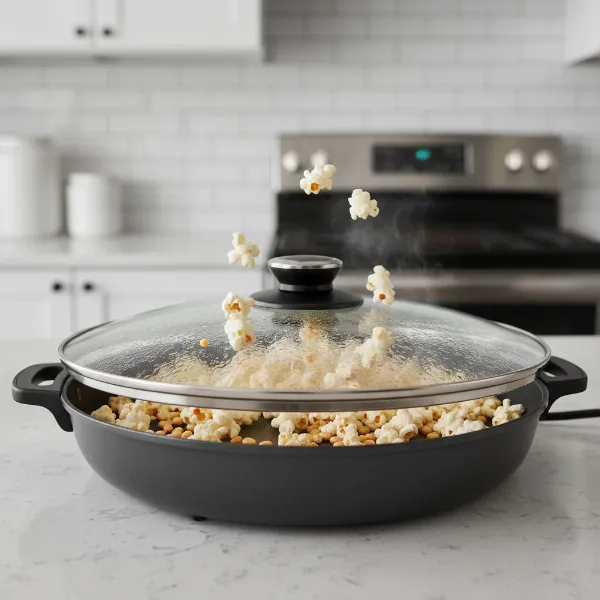 A modern electric skillet with a glass lid, actively popping popcorn kernels.
Advantages and Disadvantages of Using an Electric Skillet for Popcorn
Opting for an electric skillet to make your movie night popcorn comes with a unique set of benefits and a few considerations. Understanding these can help you appreciate why this appliance might become your go-to popcorn maker.
Advantages
- Exceptional Heat Control: An electric skillet’s precise thermostat allows you to set and maintain the ideal temperature, crucial for popping kernels quickly and efficiently without burning them. This consistency translates into a higher yield of perfectly popped corn.
- Generous Capacity: Most electric skillets offer a large cooking surface and deep sides, enabling you to pop significant batches of popcorn, easily enough to satisfy a crowd on movie night. This eliminates the need for multiple small batches.
- Even Popping: The integrated heating element ensures uniform heat distribution across the entire base of the skillet. This means that kernels heat up at the same rate, resulting in more kernels popping simultaneously and fewer duds.
- Convenience and Portability: Since an electric skillet is a standalone unit, it frees up your stovetop for other cooking tasks. Its portability also means you can make popcorn almost anywhere there’s an outlet, from your kitchen counter to a buffet table for parties.
- Effortless Cleanup: Many modern electric skillets feature non-stick coatings, making cleanup a breeze. Residual oil and unpopped kernels wipe away easily, simplifying post-movie night tidying.
|
Our Picks for the Best Electric skillet in 2026
As an Amazon Associate I earn from qualifying purchases.
|
||
| Num | Product | Action |
|---|---|---|
| 1 | FOHERE 16-Inch Electric Skillet with Glass Cover, 1500W Rapid Heat, Adjustable Temperature, Multi-Purpose Electric Skillet Fried Chicken, Perfect For Family Gathering Cooking |

|
| 2 | Elite Gourmet EG6201 Extra Deep 12"x12"x3.2" (7.5Qt.) Scratch Resistant Dishwasher Safe, Non-stick Electric Skillet with Glass Vented Lid, Adjustable Temperature, Black |
|
| 3 | Elite Gourmet 12"x12"x2.15” Ceralast™ PFAS Free Ceramic Electric Skillet, Dishwasher Safe, Rapid Heat Up, 1200W, Dark Grey |
|
| 4 | Nuwave Medley XL Digital Electric Skillet, Family Size Griddle w/Glass Lid, 2025 New & Improved Precision Heating, 100°-425°F, PFAS Free G11 Nonstick Ceramic Coating, Portable Hot Plate, 7qt Capacity |
|
| 5 | bella Make & Take Electric Skillet, Fits-anywhere™ kitchenware, EverGood™ Ceramic Coating, Adjustable Temperature & Dishwasher-Safe Tempered Glass Lid, Cast Aluminum Base, 1200 Watt, Oatmilk |
|
| 6 | Elite Gourmet EG-6203# Extra Deep 16"x13"x3.2" (10.5Qt.) Scratch Resistant, Easy Pour Spout Dishwasher Safe, Non-stick Electric Skillet with Glass Vented Lid, Adjustable Temperature, Black |
|
| 7 | Elite Gourmet EG808 8” x 8" Non-stick Electric Skillet, Dishwasher Safe with Tempered Glass Vented Lid, Rapid Heat Up, 600W, Black |
|
| 8 | Presto 06857 16-inch Electric Foldaway Skillet, Black |
|
| 9 | Pioneer Woman 3.5L Electric Skillet, Linen Speckle |
|
| 10 | Blue Diamond 7QT 5-in-1 Extra Large Electric Skillet, Healthy Ceramic Nonstick Interior, Non-Toxic PFAS-Free, Temperature Control, Stay Cool Handles, Easy Clean, Graphite |
|
Disadvantages
- Reliance on Power Outlet: As an electric appliance, it requires a functioning power outlet, limiting its use in outdoor or off-grid settings without a power source.
- Storage Space: While versatile, an electric skillet can be bulky, requiring dedicated storage space when not in use. This might be a concern for kitchens with limited cabinet room.
- Initial Investment: The upfront cost of a quality electric skillet can be higher than a simple stovetop pot, although its multi-functional nature often justifies the expense in the long run.
- Not Ideal for Small Batches: While great for large quantities, using a large electric skillet for very small, single-serving portions might feel like overkill and could be less efficient in terms of energy consumption.
Popular Electric Skillet Types for Popcorn Perfection
When selecting an electric skillet specifically for popcorn, certain features and types will enhance your popping experience. Consider these classifications to find your perfect match.
Classification by Shape
The shape of your electric skillet impacts how evenly popcorn kernels spread and pop.
- Round Skillets: These are traditional and common, offering good heat distribution. They are versatile for many cooking tasks beyond popcorn.
- Square Skillets: Square skillets often provide a larger cooking surface area compared to round ones of similar dimensions, allowing more kernels to lie in a single layer, which is ideal for maximum popping efficiency.
- Rectangular Skillets: Even larger than square models, rectangular skillets are excellent for massive batches of popcorn, perfect for big family gatherings or parties.
Classification by Material
The material of the skillet’s cooking surface directly affects its performance, durability, and ease of cleaning.
- Non-stick Skillets: These are the most popular choice for popcorn due to their easy release and effortless cleanup. Look for durable, PFOA-free non-stick coatings.
- Cast Iron Skillets (Electric Versions): While less common as dedicated electric skillets, some models incorporate cast iron for superior heat retention and distribution. They tend to be heavier and require more specific care but offer incredible durability.
- Stainless Steel Skillets (Electric Versions): Offering a durable and non-reactive surface, stainless steel skillets are robust but may require more oil to prevent sticking. They are known for their longevity and resistance to corrosion.
Classification by Features
Modern electric skillets come with various features that can significantly improve your popcorn-making process.
- Skillets with Glass Lids: A transparent glass lid is invaluable for monitoring the popping process without releasing heat or steam. It allows you to see when the popping starts, slows, and stops, preventing overcooking.
- Skillets with Detachable Temperature Controllers: This feature simplifies cleaning, as the skillet can often be fully immersed in water or placed in a dishwasher once the electrical components are removed.
- Skillets with Timer Functions: While less common, some advanced models include built-in timers, which can be helpful for ensuring consistent popping times, although listening for the popping sounds remains the most reliable indicator.
Comparing Key Electric Skillet Features for Popcorn Enthusiasts
Choosing an electric skillet for popcorn isn’t about brand loyalty as much as it is about specific features that enhance your popping experience. Here’s a comparison of crucial aspects to consider:
| Feature | Ideal for Popcorn | Notes |
|---|---|---|
| Wattage | 1200-1500W+ | Higher wattage means faster heating and better temperature recovery, crucial for consistent popping. |
| Non-Stick Coating | Durable, multi-layer, PFOA-free | Prevents kernels and popped corn from sticking, making cleanup effortless. Essential for a good popcorn experience. |
| Lid Type | Tempered Glass with Steam Vent | Allows visual monitoring of the popping process. A vent prevents condensation buildup, which can make popcorn soggy. |
| Size/Capacity | 12-16 inch diameter/square; 4-6 quart capacity | Ensures ample space for kernels to spread in a single layer and for popped corn to expand without overflowing. |
| Temperature Range | Up to 450°F (232°C) with precise control | High enough heat is needed to pop kernels quickly, and precise control prevents burning. |
| Handles | Cool-touch, sturdy handles | Safe and easy to move, especially when shaking the skillet during popping or transferring popped corn. |
| Cleaning | Dishwasher-safe (with removable temperature probe) | Simplifies post-movie night cleanup, a significant convenience. |
“The secret to perfectly popped corn lies in consistent, high heat. An electric skillet’s ability to maintain that steady temperature is its superpower, far surpassing what most stovetops can reliably offer.” – Chef Antoine Dubois, Culinary Appliance Specialist
Your Guide to Choosing the Best Electric Skillet for Popcorn
Selecting the perfect electric skillet for your popcorn needs involves a few key considerations. Think about how often you’ll make popcorn, for how many people, and what features matter most to you.
Determine Your Usage Needs
First, consider how often you plan to make popcorn and for whom.
- Casual User/Small Family: A standard 10-12 inch round or square skillet will likely suffice.
- Frequent Popcorn Maker/Large Gatherings: Opt for larger 14-16 inch square or rectangular skillets to handle bigger batches efficiently.
- Multi-purpose Use: If you plan to use the skillet for other cooking tasks, ensure its shape and features are versatile enough for those applications too.
Consider Size and Capacity
The size of your skillet directly impacts the amount of popcorn you can make in one go. For popcorn, a larger surface area is often better, as it allows kernels to spread in a single layer, maximizing contact with the heat and reducing overcrowding.
- Surface Area: Aim for a skillet that offers at least a 12-inch diameter or side length.
- Depth: Ensure it has sufficiently high sides (at least 3-4 inches) to contain the popped corn as it expands.
Choose the Right Material
For popcorn, the surface material is crucial for both performance and easy cleanup.
- Non-stick: Highly recommended. It prevents kernels from sticking and makes cleaning residual oil and seasonings effortless. Look for durable, scratch-resistant non-stick coatings.
- Other Materials: While stainless steel or electric cast iron skillets can work, they may require more careful seasoning and cleaning to prevent sticking.
Check Essential Features
Certain features will elevate your popcorn-making experience.
- Glass Lid: Absolutely essential. It allows you to watch the popping action, gauge when it’s done, and observe if any kernels are burning, all without lifting the lid and losing heat.
- Accurate Temperature Control: A reliable thermostat with clear temperature markings is vital. The ability to precisely set and maintain temperatures around 400-450°F (200-230°C) is key for perfect popping.
- Cool-Touch Handles: For safety and ease of handling, especially if you plan to shake the skillet during popping.
- Easy to Clean: Look for models with a detachable temperature probe so the skillet itself can be immersed in water or put in the dishwasher.
Research Brands and Reviews
While specific brands aren’t solely paramount for popcorn, reputable manufacturers often provide better quality, durability, and customer support. Brands like Presto, Cuisinart, and Zojirushi are well-known in the electric skillet market. Read user reviews to gauge real-world performance, especially concerning consistent heat, non-stick durability, and overall satisfaction.
Compare Prices
Electric skillets range widely in price based on size, features, and brand. Set a budget, but remember that a slightly higher investment in a quality skillet can mean better performance and greater longevity. Consider the value you’re getting in terms of features and durability.
Tips for Using and Maintaining Your Electric Skillet for Popcorn
Making perfect popcorn in an electric skillet is an art, but it’s an easy one to master with a few key techniques and proper maintenance.
Usage Tips for Perfect Popcorn
Achieving that golden, fluffy popcorn relies on a few simple steps and considerations.
- First-Time Use Preparation: Before its inaugural use, wash your new electric skillet with warm, soapy water, rinse thoroughly, and dry completely. This removes any manufacturing residues. Seasoning might be required for some non-stick or cast iron surfaces, so always check the manufacturer’s instructions.
- Optimal Temperature Setting: The sweet spot for popcorn is typically between 400°F (200°C) and 450°F (232°C). Start by preheating your skillet to 425°F (218°C). This high heat ensures a quick, explosive pop, minimizing the chance of tough or partially popped kernels.
- Oil Selection: Choose an oil with a high smoke point, such as coconut oil, avocado oil, or vegetable oil. Coconut oil is particularly popular for popcorn due to its flavor and even heating properties.
- Ratio: A general guideline is 1-2 tablespoons of oil for every 1/2 cup of unpopped kernels. Ensure the oil lightly coats the bottom of the skillet.
- The “Test Kernel” Method: To ensure your oil is at the perfect temperature, add 2-3 kernels to the preheated skillet with the oil. Cover with the lid. Once these test kernels pop, the oil is ready for the rest of your batch. This prevents adding kernels to oil that’s too cold (resulting in tough popcorn) or too hot (leading to burnt oil or kernels).
- Adding Kernels: Once the test kernels pop, remove them, then add the remaining kernels in a single layer. Give the skillet a gentle shake to coat all kernels evenly with oil.
- The “Shake and Wait” Technique: After adding the main batch of kernels and covering, let the skillet sit on the heat for 30 seconds to a minute (with the lid on). This allows all kernels to reach a consistent temperature before popping begins, which encourages more simultaneous popping. Then, every 15-30 seconds, give the skillet a gentle shake to prevent burning and ensure even popping.
- Listen for the Lull: Popcorn is done when the popping sounds slow dramatically, to roughly 2-3 seconds between pops. Immediately remove the skillet from the heat and unplug it to prevent burning.
- Serving and Seasoning: Carefully transfer the hot popcorn to a large bowl. Season immediately with salt, butter, or your favorite popcorn seasonings while it’s still warm for best adherence.
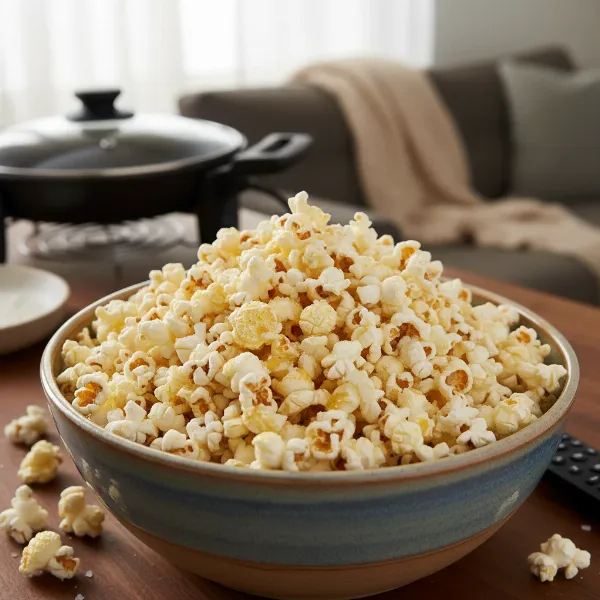 A large bowl overflowing with perfectly popped, fluffy, and seasoned popcorn.
“Making popcorn in an electric skillet is like having a mini commercial popper at home. The even heat is unmatched, and it’s surprisingly easy to get perfect results every time.” – Maria Rodriguez, Home Kitchen Enthusiast
Cleaning and Maintenance
Proper care extends the life of your electric skillet and ensures every batch of popcorn is as delicious as the last.
- Clean After Each Use: Allow the skillet to cool completely before cleaning. Remove any excess oil, unpopped kernels, and seasoning.
- Detachable Control: If your skillet has a detachable temperature probe, remove it first. Most non-stick electric skillets can then be washed by hand with warm, soapy water and a soft sponge. Some are dishwasher-safe; check your user manual.
- Stubborn Residue: For stuck-on bits, fill the skillet with warm water and a drop of dish soap, let it soak for 15-20 minutes, then gently scrub with a non-abrasive sponge.
- Avoid Abrasives: Never use abrasive scrubbers, harsh detergents, or metal utensils, especially on non-stick surfaces, as these can damage the coating.
- Proper Storage: Ensure the skillet is completely dry before storing to prevent rust or mildew. Store it in a cabinet where it won’t be scratched or damaged by other cookware. Keep the lid and temperature probe together for convenience.
Conclusion
An electric skillet offers a superior method for crafting movie-theater quality popcorn right in your own kitchen. Its precise temperature control, generous capacity, and even heat distribution combine to produce perfectly popped, fluffy kernels with minimal fuss. By selecting a skillet with the right features, understanding the ideal popping techniques, and maintaining your appliance properly, you can elevate your movie night experience from good to absolutely unforgettable. So, why settle for less when you can achieve popcorn perfection with an electric skillet? What delightful seasonings will you experiment with to make your next batch truly your own?
Frequently Asked Questions
Is an electric skillet better for popcorn than a stovetop pot?
Many believe an electric skillet is superior for popcorn due to its consistent and precisely controlled heat, which minimizes unpopped kernels and prevents burning more effectively than a stovetop pot. The even heat distribution across the entire surface also leads to a more uniform pop.
What kind of oil should I use for electric skillet popcorn?
For electric skillet popcorn, it’s best to use oils with a high smoke point such as coconut oil, avocado oil, or vegetable oil. Coconut oil is often favored for the slight flavor it imparts and its stability at high temperatures, contributing to crispy popcorn.
How do I prevent popcorn from burning in my electric skillet?
To prevent burning, always preheat your skillet to the recommended temperature (around 400-450°F), use the “test kernel” method, and ensure kernels are in a single layer. Crucially, listen for the popping to slow down significantly, then immediately remove the skillet from heat.
Can I make popcorn without oil in an electric skillet?
While some recipes suggest popping kernels with no added oil in certain specialized electric cooking units, most standard electric skillets benefit from a small amount of oil. Oil helps to conduct heat evenly, prevents sticking, and can improve the flavor and texture of the popcorn.
How much popcorn can I make at once in an electric skillet?
The amount of popcorn you can make depends on the size of your electric skillet. A general rule of thumb is to use enough kernels to cover the bottom of the skillet in a single layer, typically 1/2 to 1 cup of unpopped kernels for a standard 12-14 inch skillet, yielding a large bowl of popped corn.
How do I clean my electric skillet after making popcorn?
Allow the skillet to cool completely. If it has a detachable temperature probe, remove it. Wash the skillet by hand with warm, soapy water and a soft sponge. For non-stick surfaces, avoid abrasive cleaners or metal utensils to protect the coating. Some models are dishwasher-safe.